




Antique Standing Armoire
These antique standing armoire pieces range from robust oak cupboards to walnut cabinets on stands, offering substantial storage rooted in centuries of craftsmanship.
Antique Standing Armoire
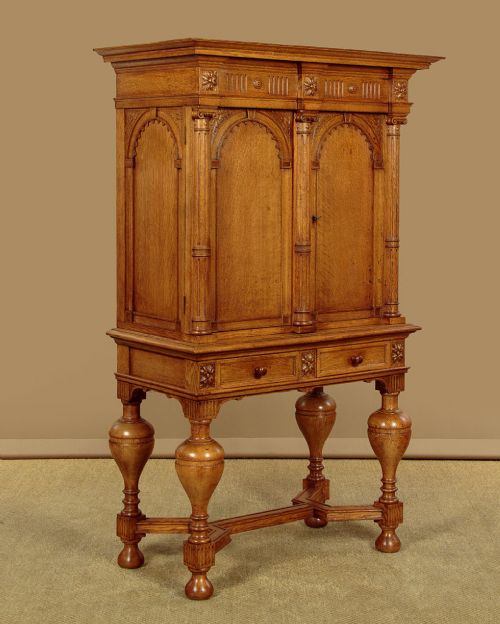
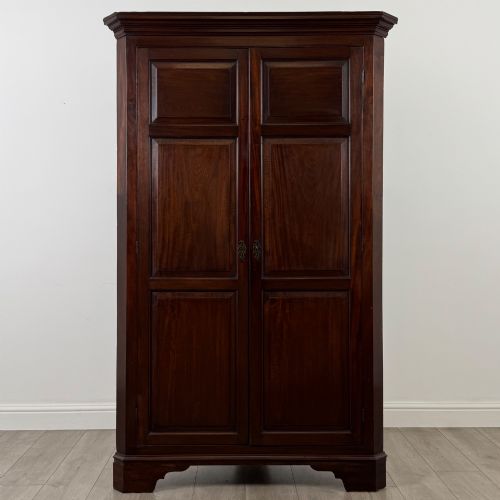
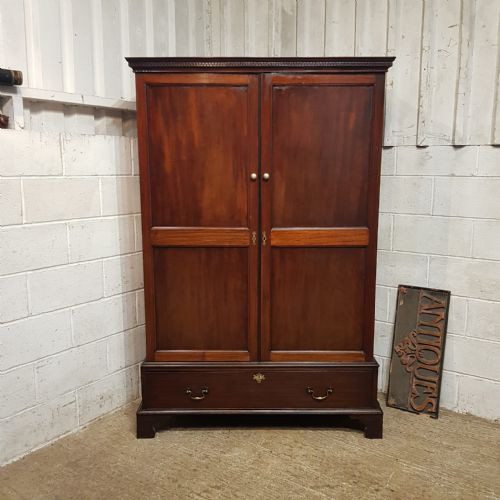
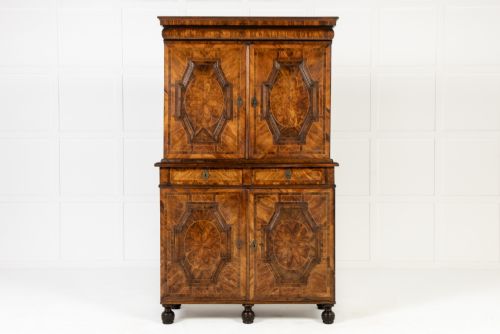
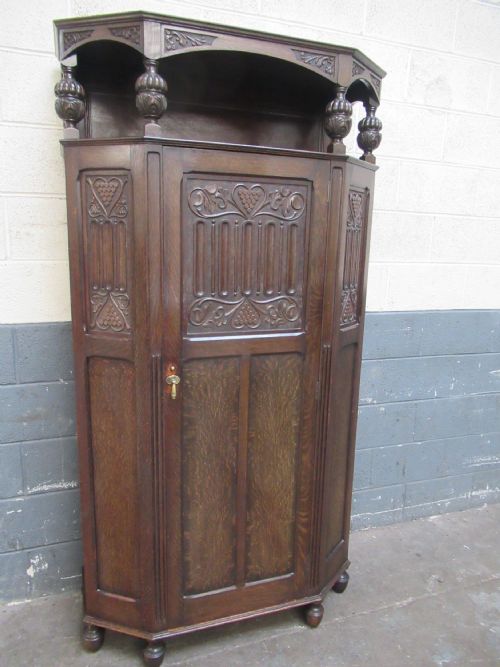
An antique standing armoire encompasses a diverse group of large storage furniture, appearing primarily as wardrobes, cupboards, and cabinets on stands spanning several centuries. Buyers searching this phrase encounter substantial timber items ranging from Georgian mahogany corner cabinets and housekeepers cupboards to early oak pieces from the seventeenth and eighteenth centuries.
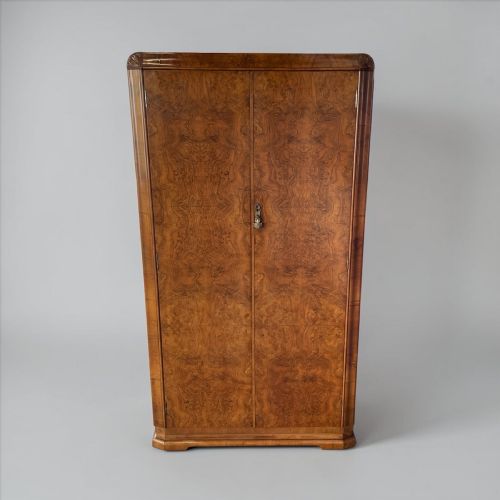
The selection frequently includes regional forms such as Dutch oak cabinets, Swedish painted cupboards on stands, and French provincial designs. Alongside these traditional formats, later examples from the Art Deco and 1930s periods bring different proportions and cleaner lines to the category.
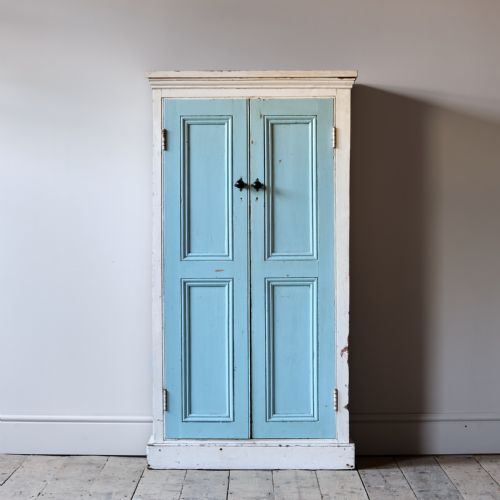
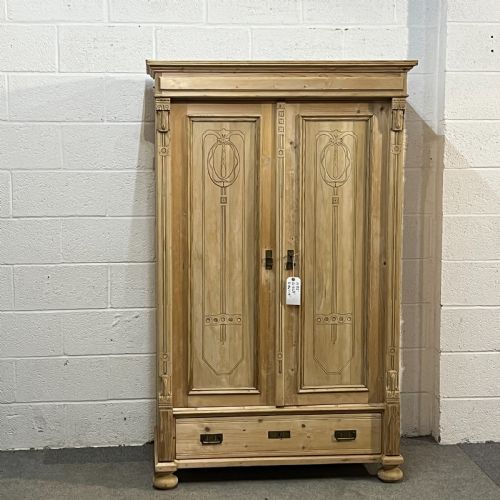
Pine variants also feature prominently, often taking the form of compactum wardrobes or smaller country pieces equipped with bottom drawers. Whether finished in polished oak, painted surfaces, or Chinese lacquer, each form serves the fundamental purpose of freestanding storage.
How they were made
Construction relies heavily on timbers such as oak, mahogany, walnut, and pine, selected for structural integrity and grain figure. Cabinetmakers joined these heavy woods using traditional joinery methods suited to large-scale furniture designed to bear weight and withstand daily use over generations.
Metal hardware plays an essential role in the construction and security of these pieces, incorporating brass handles, iron fittings, and original blacksmith locks and hinges. Surface treatments vary from polished finishes and natural wax to applied paint and Chinese lacquer, preserving the timber beneath while defining the aesthetic of the period.
A few sturdy pine pieces retain their original blacksmith locks, proving that even a humble food cupboard deserved a stout line of defence.
What varies in quality
The distinction between tiers of quality rests on the selection of timber and the ambition of the cabinetwork. Pieces built from finely figured mahogany, kingwood, or quarter-sawn oak demonstrate a higher degree of material investment than everyday utilitarian pine items.
Execution of detail elevates certain examples, seen in crisp carving, refined proportions, and the survival of original components such as blacksmith-made locks and hinges. The integration of structural elements, whether in a two-part corner cabinet or a complex cabinet on stand, determines the lasting integrity of the piece.
The Antique Standing Armoire Glossary
- Armoire
- A tall cupboard or wardrobe, traditionally used for storing clothes. These freestanding pieces often feature double doors enclosing hanging space or shelving.
- Compactum
- A large fitted wardrobe combining hanging space, drawers, and sometimes shelves within a single footprint. Victorian examples frequently utilise this efficient internal layout.
- Housekeepers cupboard
- A large storage piece traditionally used in grand houses for linen and dry goods. They usually combine upper cupboard doors with lower drawer sections.
- Cabinet on stand
- A raised storage cabinet supported by a separate frame or stand. Seventeenth and eighteenth-century versions often highlight exotic timbers and elevated proportions.
- Livery cupboard
- An antique term for a service cupboard used to store food or candles. Surviving oak examples demonstrate early domestic storage traditions.
Antique Standing Armoire: Frequently Asked Questions
What is an antique standing armoire?
An antique standing armoire is a large, freestanding piece of furniture designed for storage, encompassing wardrobes, cupboards, and cabinets on stands.
These items date from the seventeenth century through to the twentieth century, constructed mainly from timber such as oak, mahogany, and walnut.
How do I choose the right size?
Measure your available floor space and ceiling height carefully before selecting a piece, as these standing cabinets have substantial proportions.
Consider whether the design is a single piece or a two-part construction, such as a sectional corner cabinet, which makes movement and placement easier.
Where were these pieces made?
The pieces originate from various European regions, including England, France, the Netherlands, Sweden, and northern Europe.
Each region employed distinct regional timbers and stylistic conventions, resulting in diverse forms from painted Swedish cupboards to English mahogany wardrobes.
How do I care for antique timber?
Maintain antique wood by keeping it away from direct heat sources and strong sunlight, which can dry out and split the timber.
Apply traditional wax polish occasionally to nourish the surface and preserve the natural finish without building up heavy chemical layers.