



Antique Stallion Figure
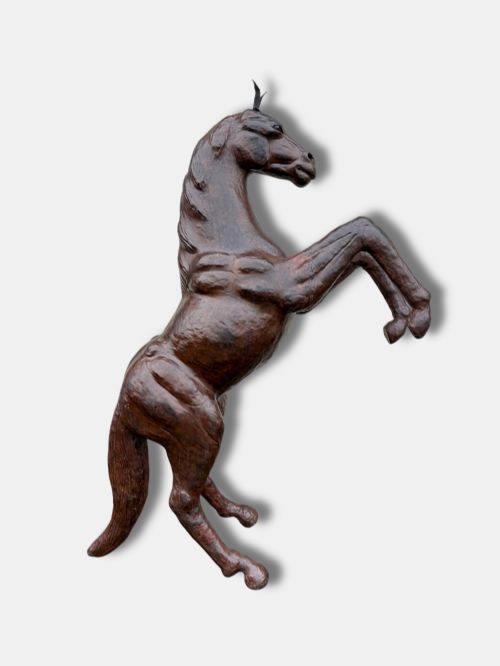
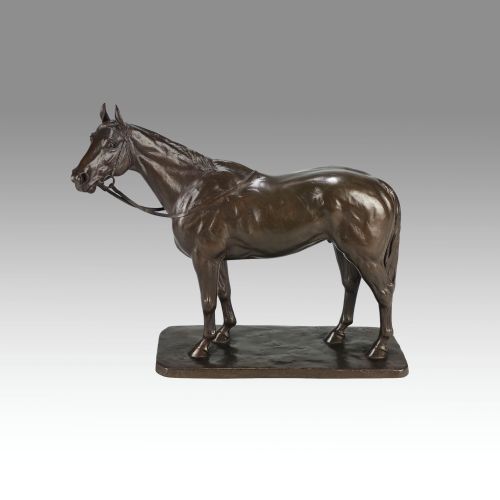
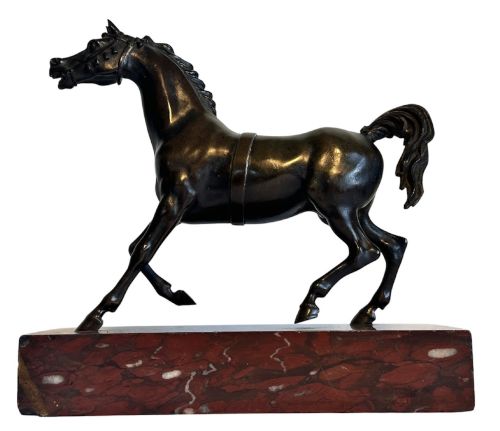
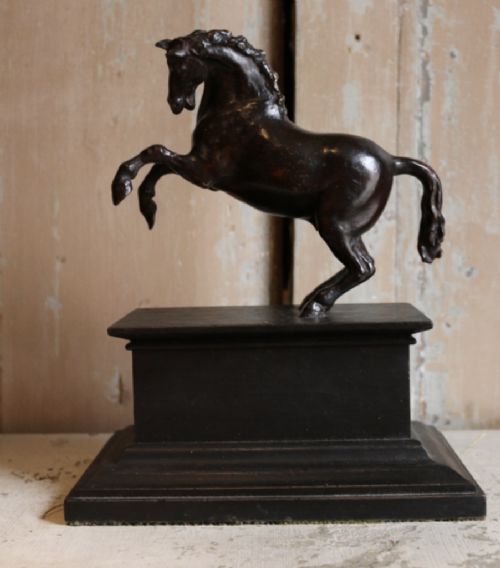
An antique stallion figure captures raw equine power in bronze, wood or marble, bringing striking presence and sculptural weight to a room.
Antique Stallion Figure
The selections encountered here range from nineteenth century animalier bronzes to early twentieth century Japanese and European works. Buyers frequently meet representations styled in classical French animalier traditions, Art Deco lines and Japanese Taisho periods.
Materials span cast bronze mounted on marble bases, hand carved hardwood, leather over armature, and specimen marble. Each piece reflects the aesthetic priorities of its period, whether seventeenth century Baroque drama or twentieth century stylisation.
How they were made
Bronze sculptures utilise traditional lost wax casting techniques to capture musculature, veins and dynamic movement. These casts are often finished with rich patination and mounted on heavy marble plinths.
Carved works rely on skilled hand woodworking techniques, shaping dense timber or hardwood into detailed studies of draught horses and wild stallions. Leather pieces are constructed by stretching hide over a supportive interior structure to form large scale decorative figures.
Antique Stallion Figure Retail Price Guide 2026
Typical asking prices for stallion figure among the pieces listed under this phrase on Sellingantiques today, from the lower quarter to the upper quarter. They describe what is for sale here now, not the wider market.
Listings feature works spanning the seventeenth, nineteenth and twentieth centuries, utilising bronze, leather, carved wood, and specimen marble.
What varies in quality
Anatomical precision and sculptural tension define the upper tier of works, where the artist successfully conveys the weight and muscle structure of the animal. Lesser examples often lack dynamic balance and exhibit stiff proportions.
Casting clarity and surface finish distinguish finer bronzes from coarser productions, with crisp chiselling showing through the patina. In carved wood and leather pieces, the sensitivity of the hand work dictates the overall artistic merit.
Kunio Itô·P. J. Mene·Pierre Jules·Charles Crozatier
The Antique Stallion Figure Glossary
- Animalier
- A nineteenth century sculptural movement dedicated to realistic depictions of animals, particularly predators and horses. Practitioners focused on capturing creatures in motion or repose with strict anatomical fidelity.
- Lost wax casting
- A method of metal casting where a molten metal is poured into a mould that has been created by means of a wax model. Once the wax is melted away, the bronze fills the exact cavity.
- Patina
- The surface sheen and coloration developed on bronze and other metals through age, chemical treatment or handling. A desirable patina adds depth and highlights the underlying texture of the metal.
- Specimen marble
- A decorative technique utilising multiple varieties of multicoloured natural marble assembled to create a polished base or study. It was frequently employed in Italian workshops during the nineteenth and early twentieth centuries.
- Taisho period
- The era in Japanese history spanning from nineteen twelve to nineteen twenty six, noted for the adoption of western artistic influences alongside traditional craftsmanship. Bronzes from this era often blend realistic anatomy with refined surface detailing.
Antique Stallion Figure: Frequently Asked Questions
What is an animalier bronze?
An animalier bronze is a nineteenth century sculpture focusing specifically on animals in realistic or dramatic poses. These works highlight musculature and movement rather than human subjects.
Artists in this tradition observed animals closely in nature or menageries to ensure anatomical accuracy in their finished metal casts.
How do I identify a seventeenth century horse?
Seventeenth century pieces often display Baroque styling with dramatic rearing postures and exaggerated muscular tension. The casting methods and patination reflect the metallurgy of that specific period.
Examining the base and surface wear helps distinguish genuine early periods from later revival pieces.
Where should I place a bronze horse?
A bronze horse works well as a focal point on a sturdy desk, mantelpiece or dedicated console table. Because many pieces feature heavy marble bases, they require stable and level surfaces.
Keep them away from direct moisture and excessive handling to preserve the integrity of the bronze patina.
What distinguishes Japanese bronze horses?
Japanese bronze sculptures from the early twentieth century often combine precise animal anatomy with distinct Eastern aesthetic sensibilities. Artists of this region utilised refined finishing techniques to create unique surface textures.
These pieces frequently bear signatures or marks from notable workshops and individual masters of the era.