

Antique Stackable Ring
An antique stackable ring brings together multiple bands or gemstones to create texture, depth, and versatile elegance on the hand.
Antique Stackable Ring
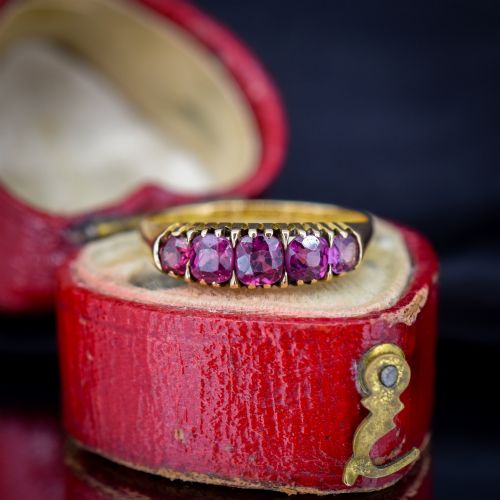
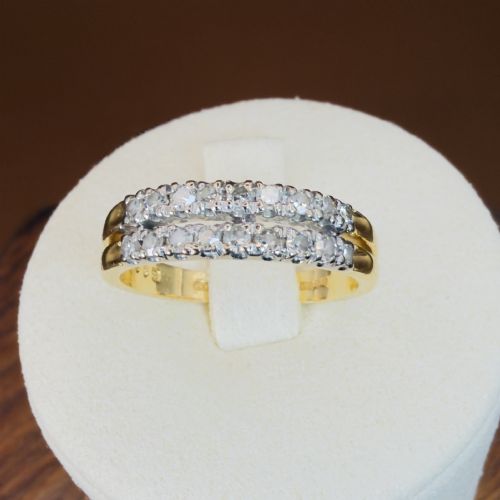
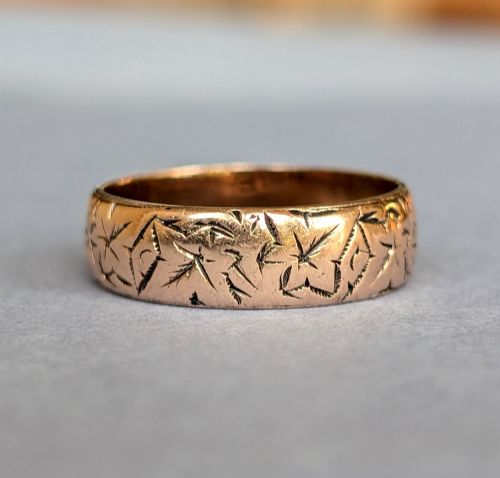
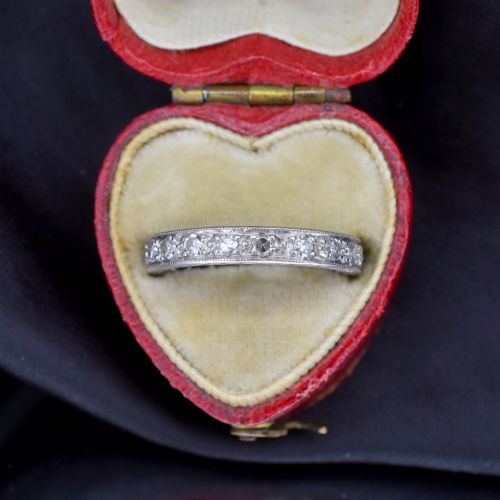
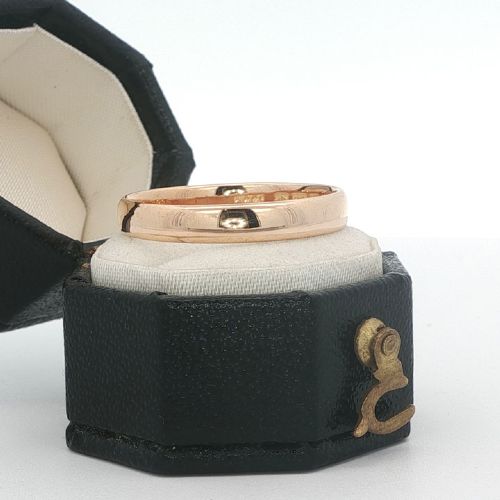
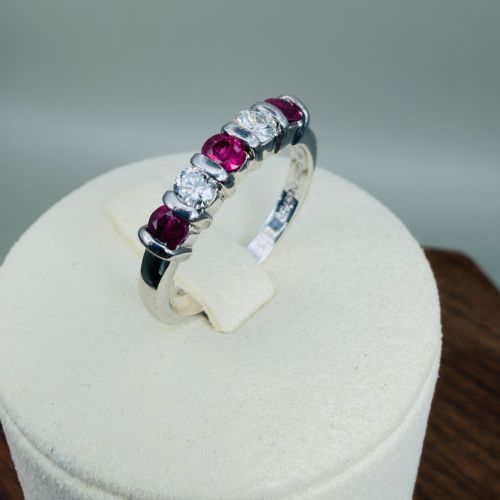
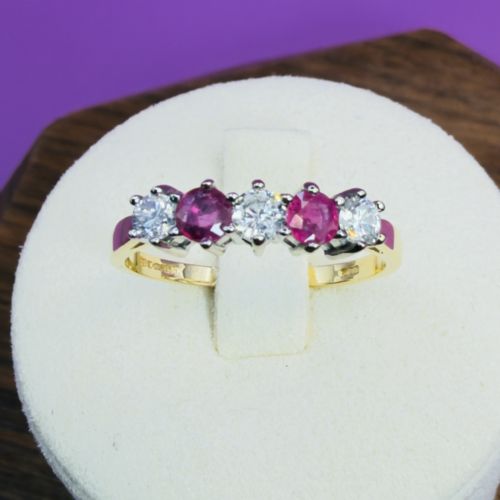
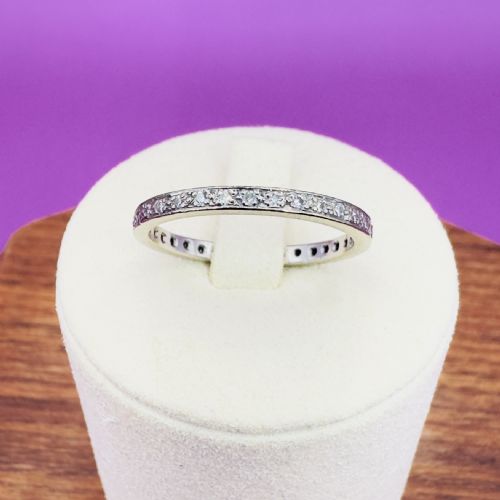
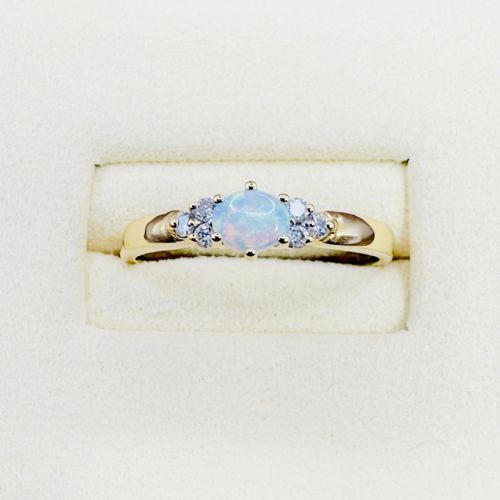
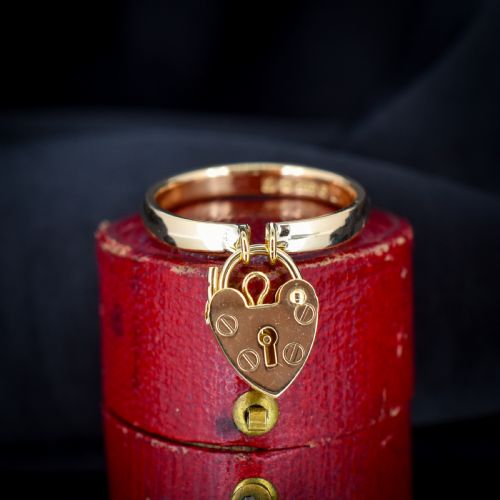
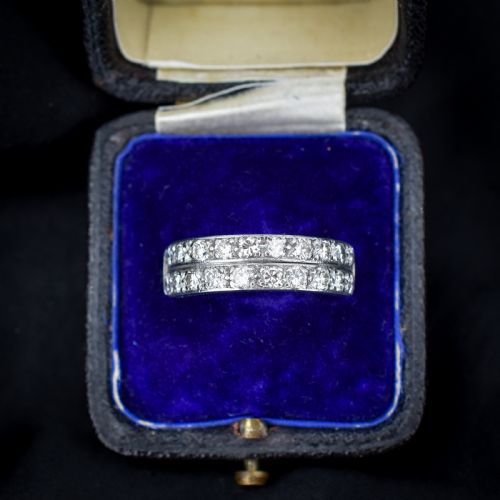
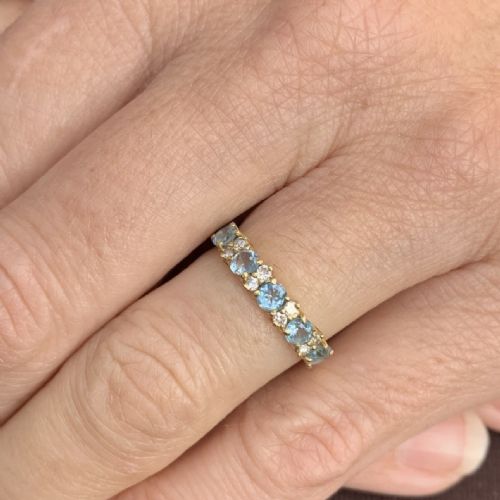
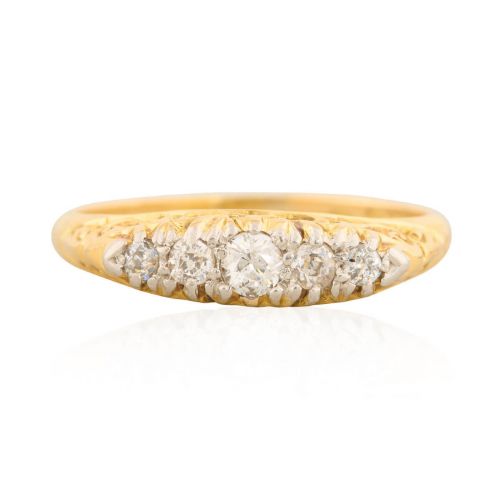
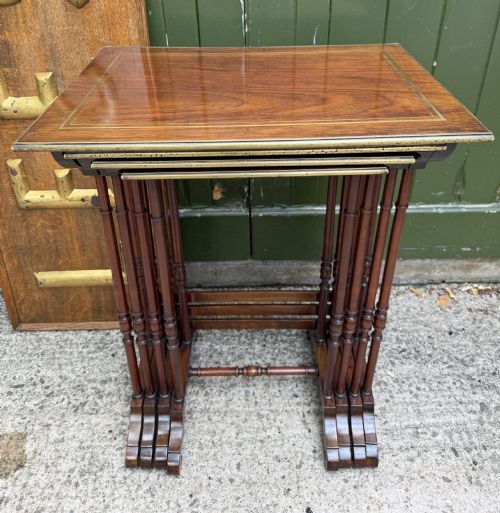
When you search for an antique stackable ring, you encounter a variety of designs ranging from slim wedding bands and half eternity rings to multi-stone half hoops and harem configurations. These pieces originate from periods including the Regency era, the Victorian epoch, the Edwardian period, and the Art Deco years, alongside mid-century twentieth century examples. The most frequent forms on this page are diamond and gemstone band rings in gold and platinum, alongside occasional nineteenth century nests of tables sharing the stacking concept.
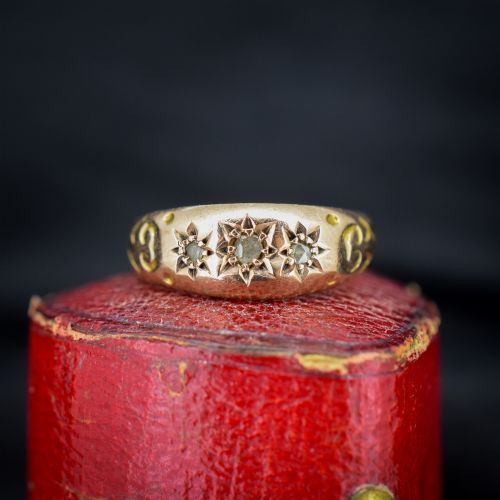
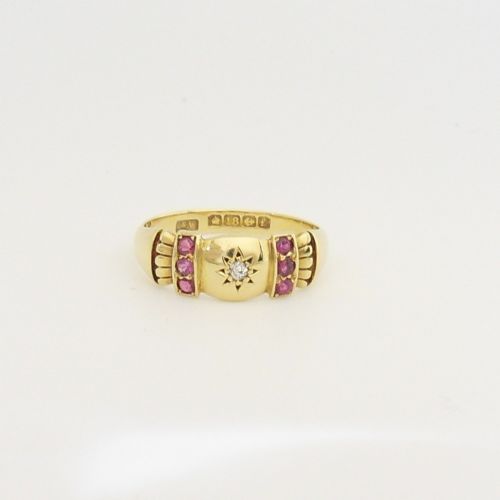
The materials span 18ct gold in yellow, white, and rose variations, alongside 9ct rose gold, 22ct gold, and platinum. Gemstone inclusions feature diamonds, rubies, sapphires, emeralds, blue spinel, and silver settings typical of Edwardian jewellery. These rings often combine stones in five-stone arrangements, starburst motifs, or continuous bands designed to sit snugly alongside other jewellery.
Materials and construction
The metals utilised in these pieces rely predominantly on durable gold alloys and platinum, providing a secure foundation for stone settings. Master jewellers shaped 18ct white and yellow gold, 9ct rose gold, and platinum into slim bands, half hoops, and wedding profiles.
Gemstones such as diamonds, rubies, sapphires, and emeralds are secured via claw, flush, or channel settings depending on the period style. Art Deco examples demonstrate geometric precision in platinum settings, while Victorian and Edwardian pieces integrate starburst and boat ring profiles using gold and silver.
Antique Stackable Ring Retail Price Guide 2026
Typical asking prices for stackable ring among the pieces listed under this phrase on Sellingantiques today, from the lower quarter to the upper quarter. They describe what is for sale here now, not the wider market.
Listings feature stackable ring forms spanning the Victorian, Edwardian, Art Deco, and mid-century twentieth century periods in gold and platinum.
Assessing quality and craftsmanship
Quality in these rings is determined by the precision of the stone setting and the integrity of the metalwork. Fine examples exhibit secure, even gemstone alignment with minimal metal obstruction, allowing maximum light to enter the diamonds and coloured gems.
The weight and thickness of the metal band contribute significantly to the longevity of the piece. Superior items retain their original shank proportions and crisp engraving or gallery work without thinning from excessive wear.
The Antique Stackable Ring Glossary
- Half eternity ring
- A band set with gemstones across the upper half of the circumference. This design allows the ring to sparkle on the finger while remaining comfortable against adjacent bands.
- Harem ring
- A multi-tiered ring consisting of several interconnected bands that stack together. These designs create a wide, textured appearance on the hand.
- Boat ring
- A piece featuring a navette or boat-shaped setting that tapers towards the ends. This silhouette is particularly prevalent in Victorian jewellery.
- Quartetto
- A set of four nesting occasional tables designed to stack inside one another. The evidence shows these brass-inlaid rosewood pieces share the stacking principle of multi-band rings.
- Starburst
- A geometric motif radiating outwards from a central gemstone. This design style appears frequently in late Victorian and Edwardian rings.
Antique Stackable Ring: Frequently Asked Questions
What is a stackable ring?
A stackable ring refers to a band or multi-stone setting designed to be worn alongside other rings on the same finger. These pieces allow wearers to combine different metals and gemstones.
Historically, wedding bands and eternity rings served this function naturally, while multi-tiered designs like harem rings achieved the stacked look within a single piece.
How do I wear multiple antique rings together?
Combining antique rings involves pairing similar widths and compatible metal colours such as yellow gold or platinum. Matching profile shapes helps the bands sit flush against one another.
Eternity bands and slim wedding rings work particularly well for building a layered combination on the finger.
How can I tell the period of a ring?
Dating a ring relies on examining the mounting style, metal types, and gemstone cuts characteristic of specific eras. Art Deco pieces display geometric platinum work, whereas Edwardian items often feature delicate gold and silver combinations.
Maker marks, hallmarks, and structural motifs provide further evidence for distinguishing Victorian work from mid-century twentieth century examples.
Are these rings suitable for daily wear?
Most gold and platinum band rings from the Victorian, Edwardian, and Art Deco periods are robust enough for regular use. Sturdier 18ct and 22ct gold or platinum settings protect the gemstones during everyday activities.
Checking the thickness of the band ensures the metal withstands continuous friction from adjacent jewellery.