





Antique Square Stool
An antique square stool brings compact proportion and versatile seating to a room, ranging from Georgian mahogany forms to Victorian upholstered ottomans.
Antique Square Stool
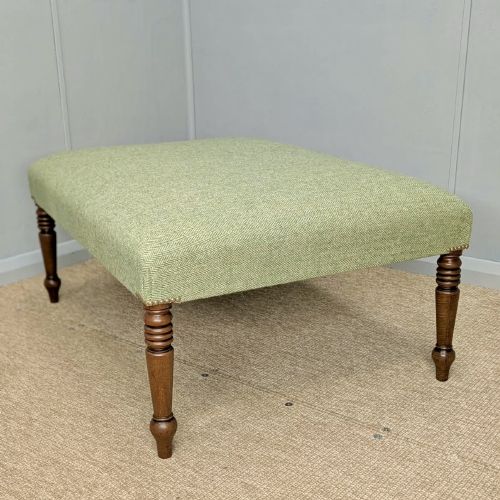
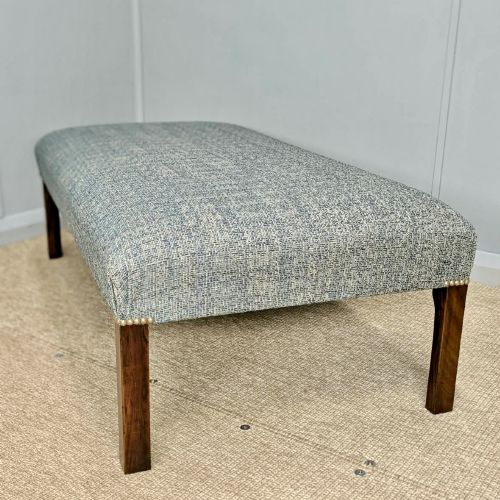
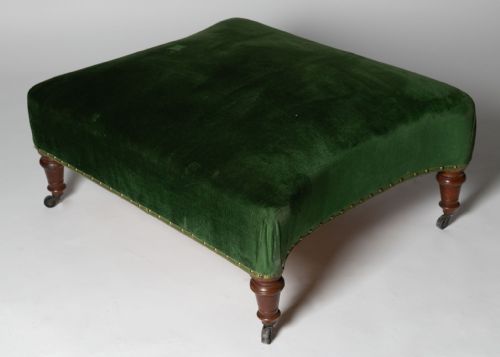
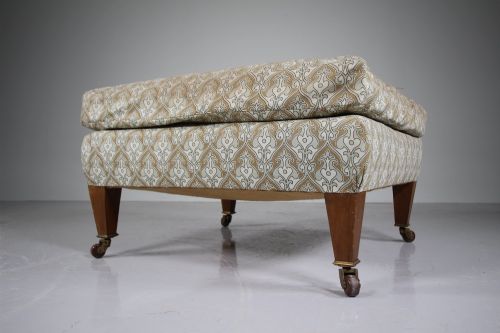
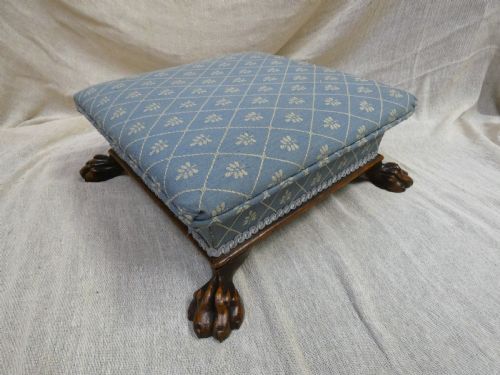
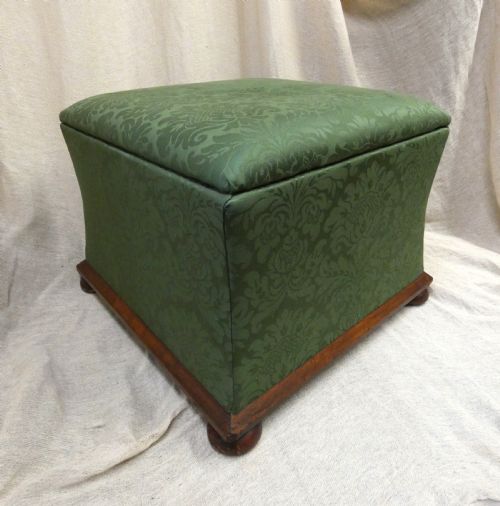
An antique square stool takes many forms across the centuries, appearing as a domestic footstool, a piano stool, a low table, or a large centre stool. Buyers seeking an antique square stool encounter everything from simple joint stools in oak to elaborately upholstered ottomans covered in needlepoint or buttoned leather.
The material palette spans native timbers such as mahogany, walnut, oak, elm, and hardwood alongside exotic rosewood and hongmu. Construction dates stretch from the late seventeenth century through the Georgian and Regency periods into the Victorian era and the early twentieth century.
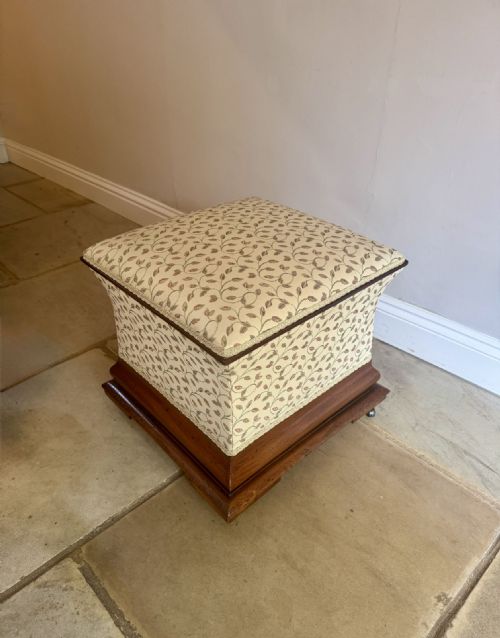
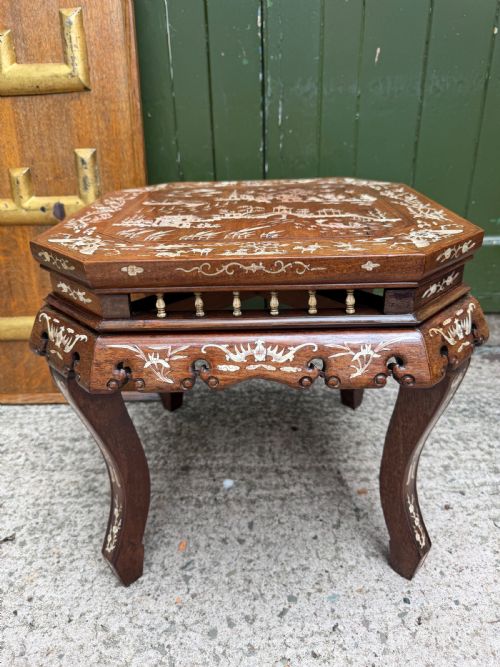
Victorian and nineteenth-century examples dominate the selection, often featuring upholstered tops with buttoning or fabric coverings. Alongside traditional English seating, the inventory includes Chinese low tables, stands, and carved occasional tables matching the square footprint.
How they were made
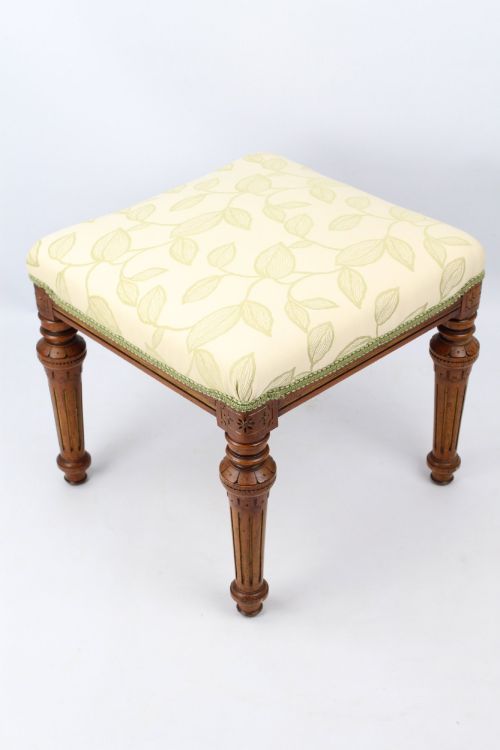
Cabinetmakers and joiners shaped these pieces using solid timbers like mahogany, walnut, oak, and rosewood, employing traditional joinery such as mortise and tenon frames. Woodwork includes spiral carving, tapering legs, turned supports, and profuse bone inlay on Chinese hardwood surfaces.
Upholstered variants rely on stuffing covered in textiles, needlepoint, or leather, sometimes secured with buttoning or finished with caned tops. Frames combine structural woodwork with brass details or gilt oak finishes depending on the stylistic period.
Antique Square Stool Retail Price Guide 2026
Typical asking prices for square stool among the pieces listed under this phrase on Sellingantiques today, from the lower quarter to the upper quarter. They describe what is for sale here now, not the wider market.
Listings span oak, walnut, mahogany, elm, rosewood, and hardwood, alongside materials like brass, bone inlay, leather, and needlepoint upholstery.
What varies in quality
The caliber of an antique square stool rests on the crispness of its timber carving, the integrity of its frame construction, and the fidelity of its period style. Pieces attributed to notable makers like Howard and Sons or executed in finer materials such as rosewood and hongmu command attention.
Proportion and scale dictate presence, distinguishing standard domestic footstools from larger country house centre ottomans or finely carved Anglo-Indian and Chinese imports. Original surface patination and authentic period upholstery treatments elevate an example above standard utility pieces.
Howard and Sons
The Antique Square Stool Glossary
- Joint stool
- A sturdy wooden stool constructed with mortise and tenon joints pegged together, typically originating from the seventeenth or eighteenth centuries in oak.
- Ottoman
- A low, upholstered seat or footstool without a back or arms, frequently designed on a large scale with buttoned leather or textile coverings.
- Hongmu
- A dense, dark Chinese hardwood often utilised for traditional stands, low tables, and stools during the Qing dynasty.
- Needlepoint
- A type of canvas work embroidery used historically to cover the tops of Victorian footstools and dressing stools.
- Caned top
- A seating surface woven from split rattan or cane, appearing on square wooden frames alongside upholstered alternatives.
Antique Square Stool: Frequently Asked Questions
What is an antique square stool used for?
These versatile pieces served various domestic functions, acting as footstools before armchairs, dressing table seats, piano stools, or low occasional tables.
Larger versions functioned as centre ottomans in country houses, providing flexible seating within a room.
How do I identify a Georgian square stool?
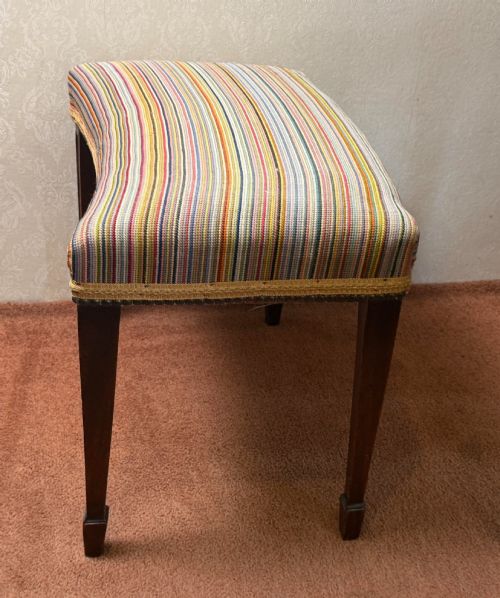
Georgian examples typically feature timbers like mahogany or elm, often displaying square tapering legs or sturdy oak construction from the eighteenth century.
Simplicity of line and traditional joinery distinguish these pieces from more ornate Victorian revivals.
Are Chinese square stools and tables common?
The selection includes Chinese rosewood and hardwood low tables and stands from the Qing dynasty alongside British seating.
These oriental pieces often showcase profuse bone inlay or intricate carving within the square format.
What is a Howard type footstool?
Howard type pieces refer to upholstered seating associated with the renowned nineteenth-century firm known for deep-sprung comfort and quality.
Such stools feature generous proportions and professional textile or leather upholstery.