




Antique Spouted Ceramic Vessel
An antique spouted ceramic vessel brings centuries of utilitarian pouring form and tin-glazed surface art directly into your home.
Antique Spouted Ceramic Vessel
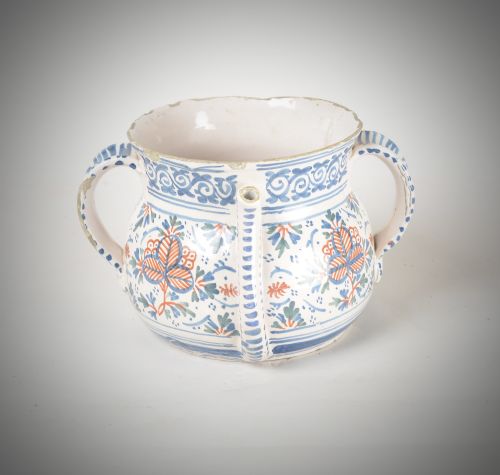
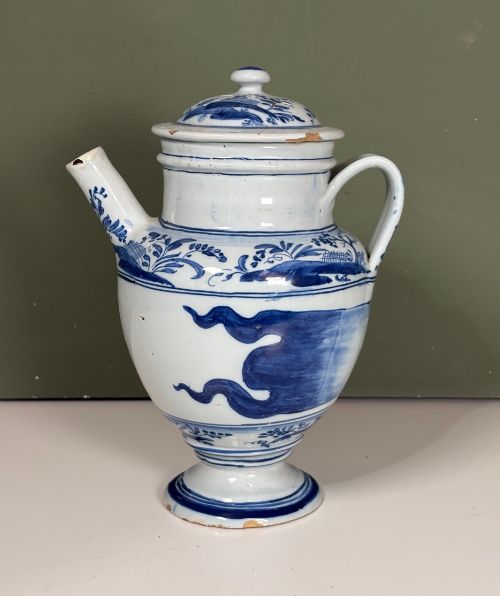
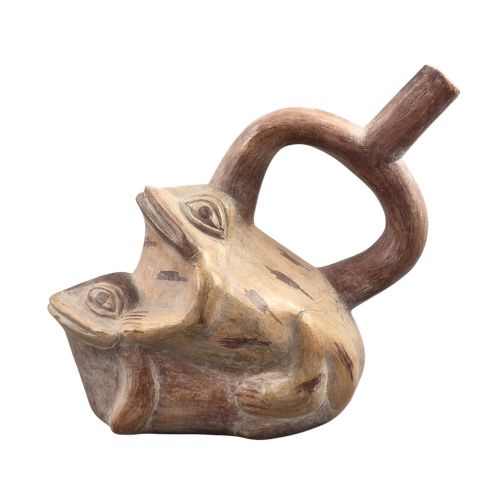
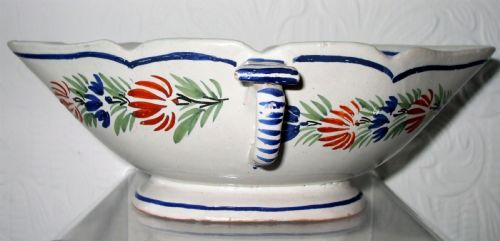
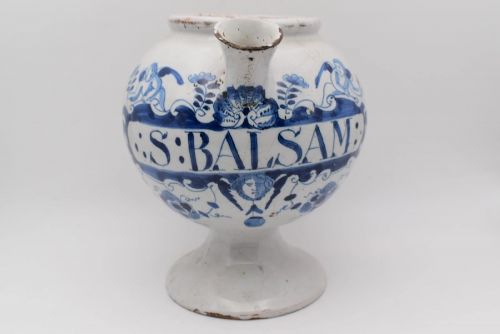
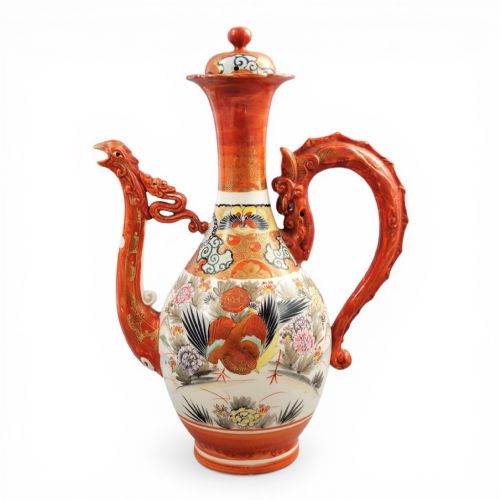
An antique spouted ceramic vessel encompasses utilitarian and decorative pouring forms spanning multiple centuries, from English Delftware apothecary jars to Japanese porcelain ewers. Collectors encounter diverse functional types here, including posset pots, sauceboats, teapots, and pharmacy drug jars.
How They Were Made
Potters shaped these vessels using earthenware, terracotta, porcelain, and tin-glazed bodies, applying cobalt pigment and polychrome glazes for surface decoration. Manufacturing techniques range from early hand-building and folk pottery methods to refined throwing and moulding practices.
Glazing processes varied from tin-glaze applications on earthenware to delicate porcelain finishes, often requiring precise high-temperature or multi-stage firing to set pigments and secure spouts and handles.
Antique Spouted Ceramic Vessel Retail Price Guide 2026
Typical asking prices for spouted ceramic vessel among the pieces listed under this phrase on Sellingantiques today, from the lower quarter to the upper quarter. They describe what is for sale here now, not the wider market.
Some vessels feature phoenix spouts and cherub motifs, proving historical potters enjoyed adding mythical flair to everyday medicine.
What Varies in Quality
Quality depends upon the crispness of the modelled spout, the balance of the handle, and the control shown in hand-painted cobalt or polychrome brushwork. Superior examples display clean potting lines, secure attachment of spouts and handles, and well-preserved glaze surfaces.
Historical depth and regional authenticity distinguish the finest pieces, where hand-mixed pigments and traditional firing methods produce depth of colour and distinct surface character rather than uniform industrial output.
The Antique Spouted Ceramic Vessel Glossary
- Tin glaze
- An opaque white glaze made by adding tin oxide to a lead glaze, providing a smooth canvas for painted decoration.
- Posset pot
- A spouted vessel historically used for serving posset, a hot spiced milk curdled with wine or ale.
- Ewer
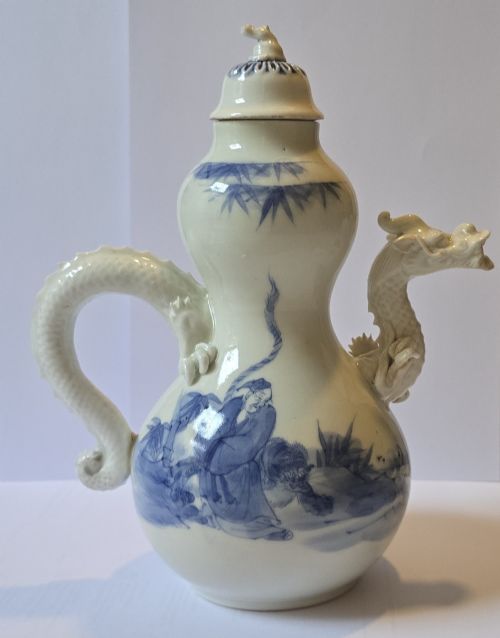
- A large jug with a spouted mouth and handle, traditionally used for pouring water.
- Apothecary jar
- A ceramic container utilised by chemists and pharmacists to store dry drugs, herbs, or wet medicines.
- Kendi
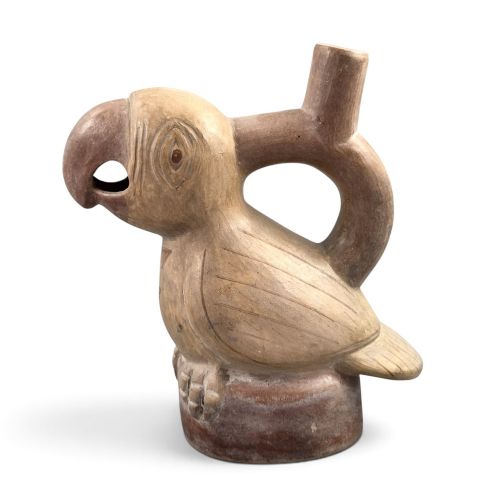
- A traditional spouted drinking vessel or water pitcher originating in Southeast Asia and East Asia.
Antique Spouted Ceramic Vessel: Frequently Asked Questions
What is a posset pot?
A posset pot is a multi-handled vessel featuring a spout, historically used for drinking posset during social gatherings and celebrations.
These pieces often include lids and allowed guests to drink the spiced milk mixture from the same shared container.
How do I clean an antique vessel?
Antique ceramic vessels require gentle cleaning with a soft, dry cloth to remove dust without harming delicate glazes.
Avoid submerging porous earthenware or antique pieces with fragile painted surfaces in water.
What distinguishes an apothecary jar?
Apothecary jars were made to hold medicinal ingredients in pharmacies, often featuring painted labels to identify specific contents.
They appear in dry and wet drug variants, reflecting the type of medicine they originally stored.
How are Japanese ewers different?
Japanese ewers from the Meiji period often combine fine porcelain bodies with detailed cobalt blue painting or sculpted dragon motifs.
These pieces highlight distinct Eastern pouring forms and refined decorative techniques compared to European earthenware.