
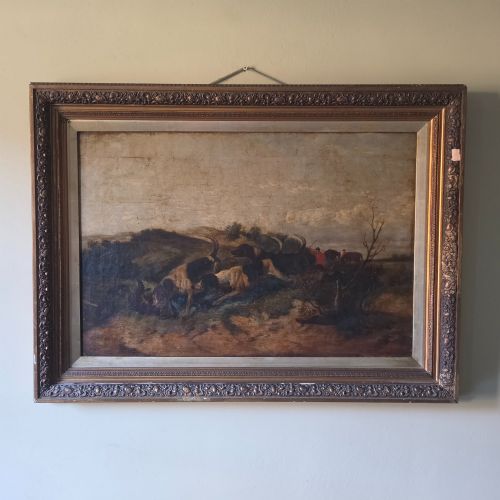
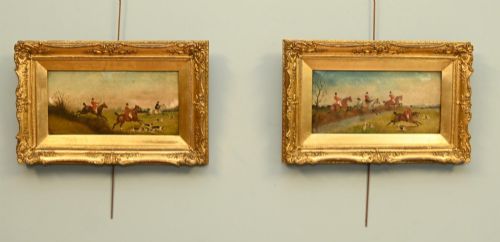
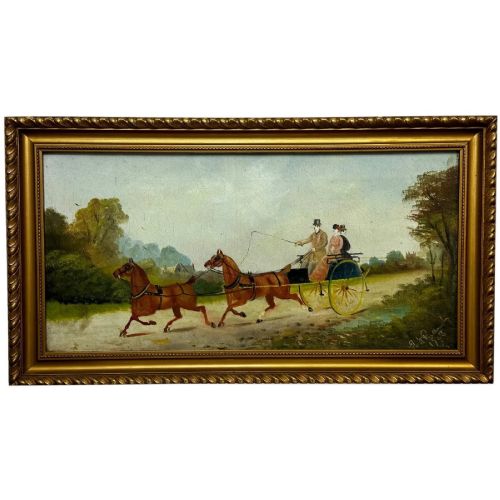
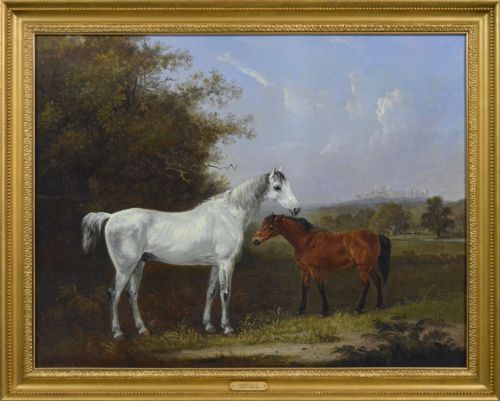
Antique Sports Wall Art
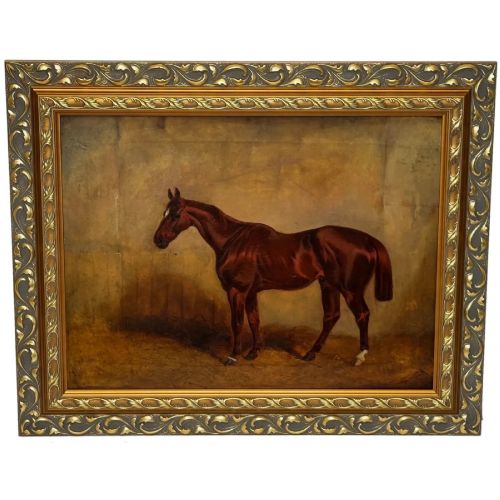
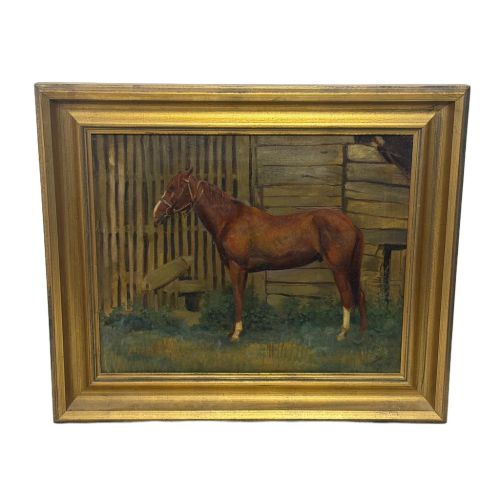
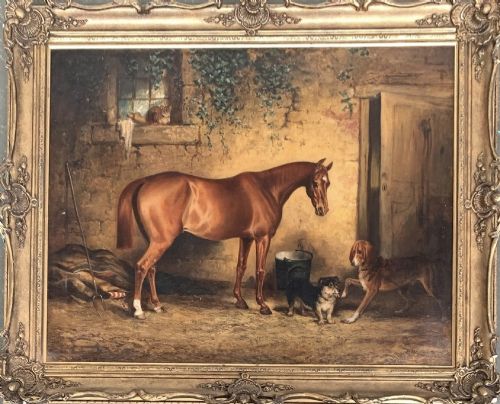
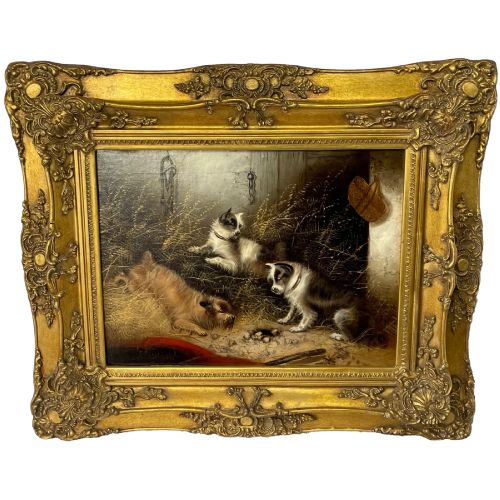
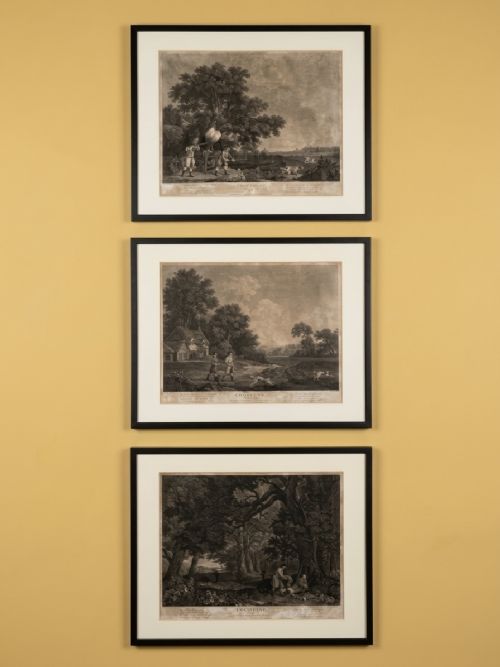
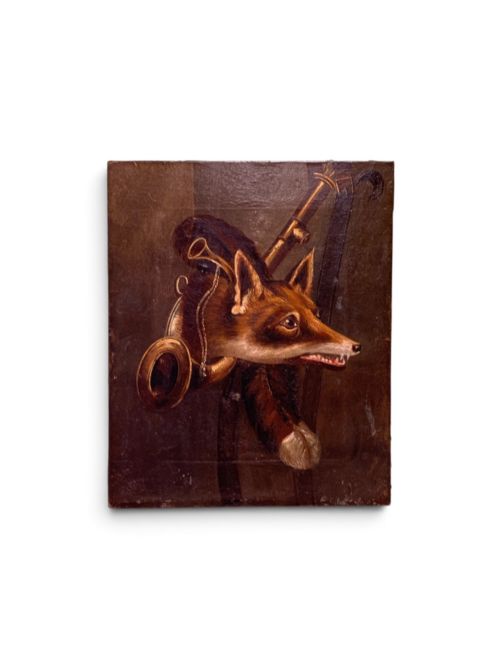
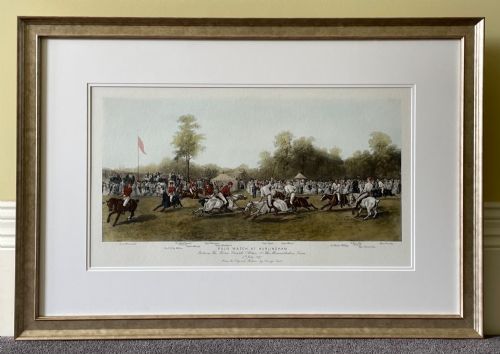
Antique sports wall art captures the vigour of past equestrian pursuits, field sports and cycling through oils, watercolours and prints.
Antique Sports Wall Art
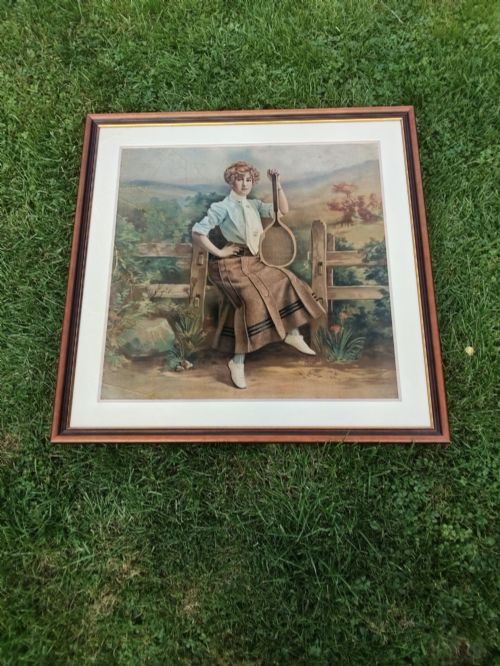
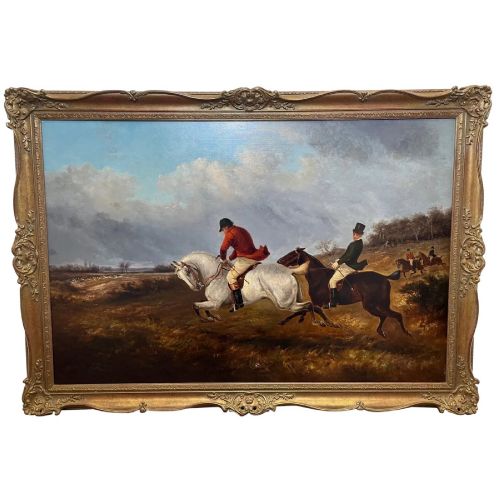
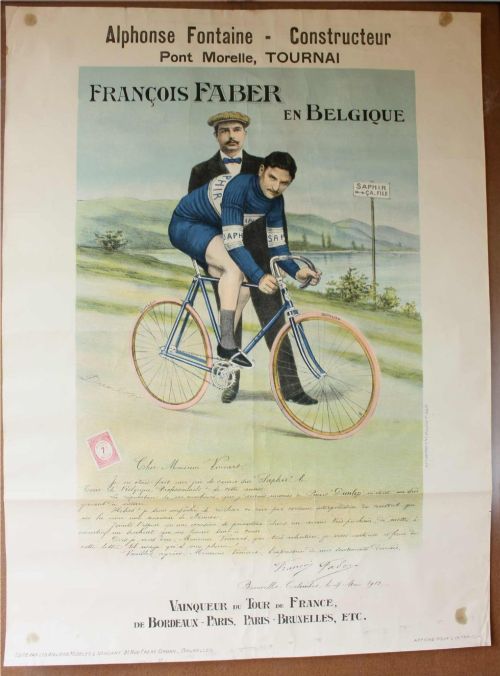
Antique sports wall art spans oil paintings, watercolours, framed prints, posters and engravings celebrating historical pastimes. The listings on this page draw heavily from nineteenth century and Edwardian periods, focusing on equestrian subjects, hunting scenes, horse racing and cycling.
Buyers encounter oil on canvas works alongside lithographs, aquatints and chalk drawings housed in wooden frames. These pieces record specific animals, notable races and rural field sports through the eyes of period artists.
How they were made
Many works utilise oil paint on canvas to build rich depictions of horses, hounds and riders in landscape settings. Watercolours and chalk drawings offer more immediate, delicate studies on paper.
Printed works rely on lithography, engraving and aquatint techniques to reproduce illustrations and posters for broader distribution. Frames utilise wood, giltwood and walnut to house and protect the works.
The listings feature works spanning the nineteenth century, Victorian era, Edwardian period and the early decades of the twentieth century.
What varies in quality
Quality rests upon the skill of the draughtsman or painter in rendering correct anatomical proportions of horses and hounds. Superior works capture movement and character with precision rather than relying on stiff formulae.
The choice of medium and the condition of the paper or canvas influence the visual impact. Original oils and signed prints command greater attention than standard mass reproductions.
Thomas Smythe·John Sargent Noble·Henry Barraud·Fred Fitzpatrick·George Wright·John Ferneley Senior
The Antique Sports Wall Art Glossary
- Aquatint
- An etching technique that produces tonal areas resembling watercolours. It allows printmakers to create subtle gradations of shadow and light.
- Lithography
- A planographic printing process using a flat stone or metal plate. Artists draw directly onto the surface with a greasy medium to transfer the image.
- Giltwood
- Wood carved and covered with a thin layer of gold leaf. This material frequently appears on frames from the nineteenth century.
- Grisette
- A term used in equine naming or coat description within the listings. It denotes a specific grey colouring found on working or racing mares.
Antique Sports Wall Art: Frequently Asked Questions
What subjects appear in antique sports wall art?
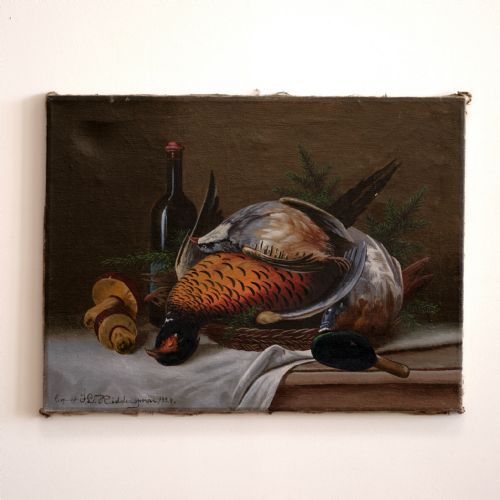
The works focus primarily on nineteenth century and Edwardian equestrian subjects, including horse racing, polo matches, coaching scenes and fox hunting. Game birds, gun dogs and cycling also feature prominently across the available paintings and prints.
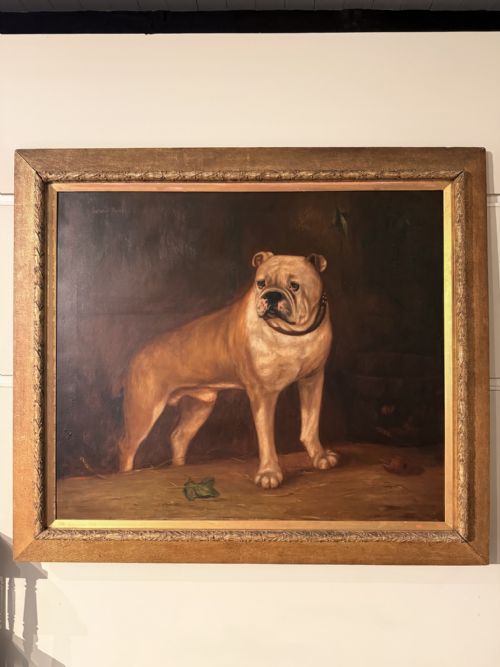
Artists recorded specific racehorses, valued hunters and working dogs within detailed rural landscapes and stable settings. These visual records reflect the popularity of field sports and racing during the Victorian and Edwardian eras.
How do oil paintings differ from prints?
Oil paintings on canvas are unique, hand-painted works created directly by the artist using pigments suspended in oil. They show visible brushwork and rich texture that develops across the canvas surface.
Prints and engravings are mechanical or chemical reproductions created from an original plate, stone or block. While prints allow multiple copies to circulate, original oils remain singular painted objects.
How do I date a piece?
Dating relies on stylistic clues, artist signature dates, costume details and framing materials recorded in the listing. Nineteenth century and Edwardian works often carry specific signatures or exhibition histories that narrow down their creation period.
Printing techniques such as early lithography or specific paper stocks also point to particular decades like the 1890s or 1910s. Comparing known artist working lifespans helps anchor the date of execution.
How should I frame and display them?
Display these works away from direct sunlight to protect delicate watercolours, paper prints and oil pigments from fading. Maintaining stable room humidity prevents wood frames and canvas supports from warping over time.
Period frames often suit the artwork best, provided they offer secure structural support and correct glass separation for works on paper. Wall placement should allow proper appreciation of the scale and detail within each scene.