
Antique Spode China
Antique spode china comprises finely potted ceramic wares from Georgian and Regency periods, prized for vibrant transfer printing and hand-painted gilt decoration.
Antique Spode China
Buyers seeking antique spode china encounter domestic tableware and decorative objects spanning the Georgian, Regency, and Victorian eras. The selection concentrates heavily on early nineteenth-century porcelain and bone china production from Stoke-on-Trent.
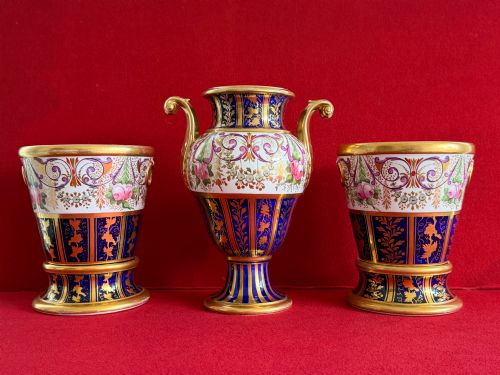
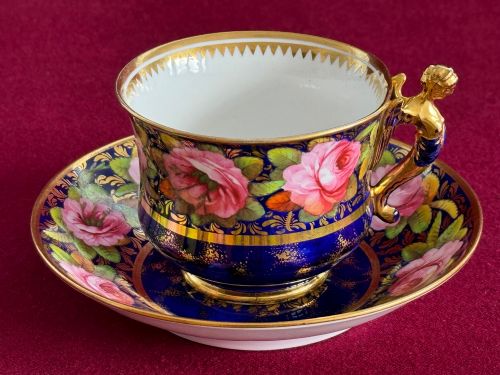
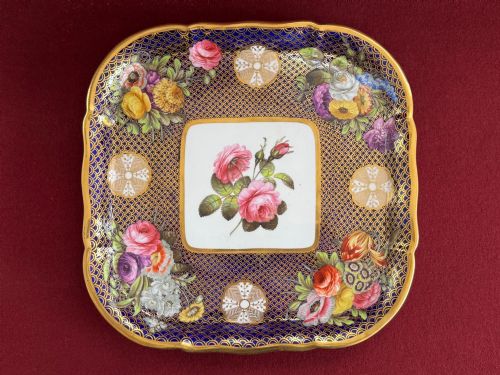
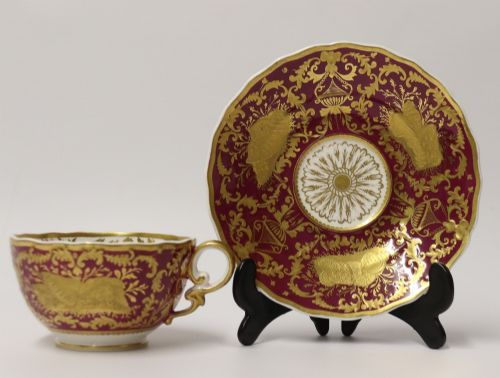
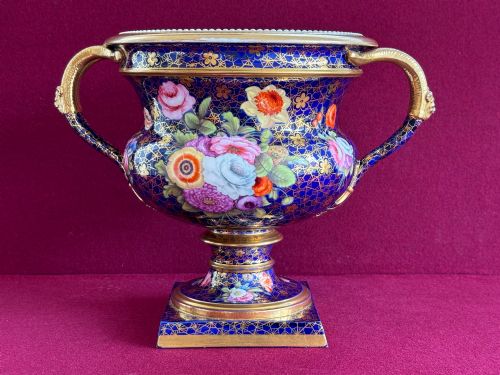
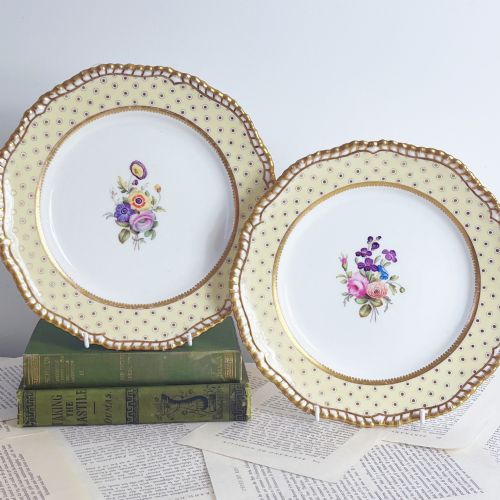
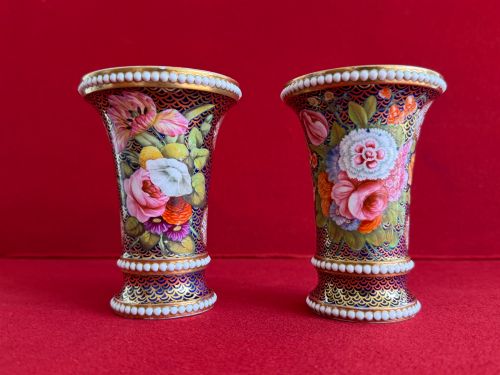
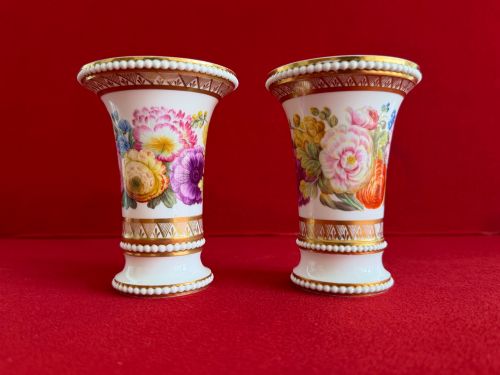
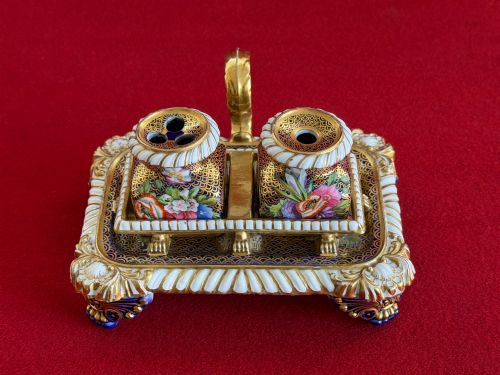
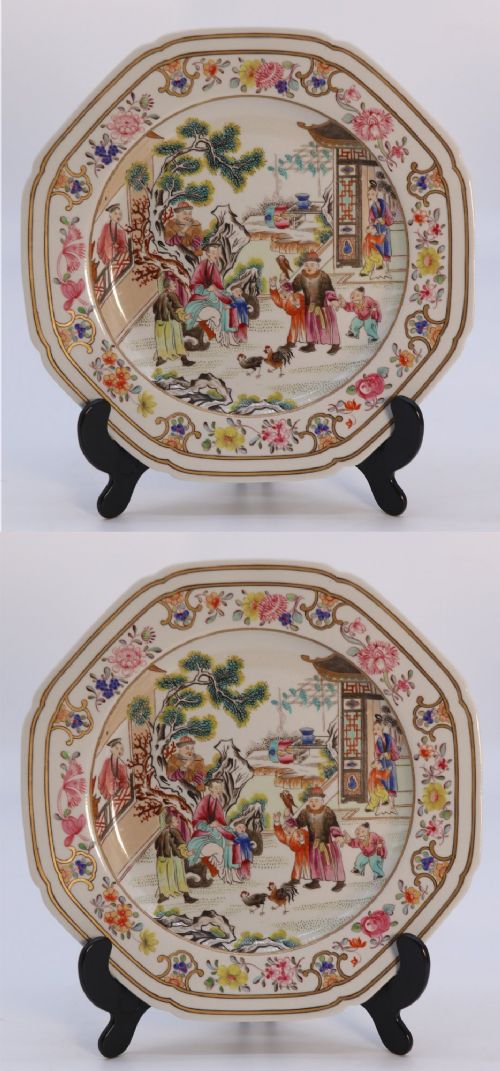
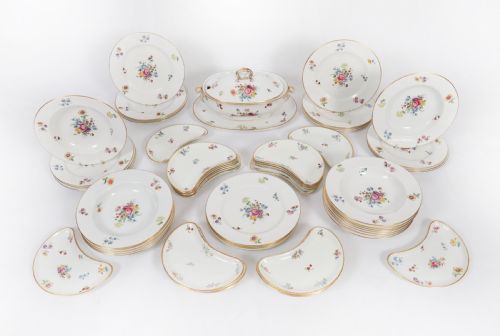
Typical forms range from practical tea services, coffee cans, and dessert plates to ornamental cabinet cups, spill vases, and inkstands. These pieces reflect the technical versatility of the factory under successive family and partnership management.
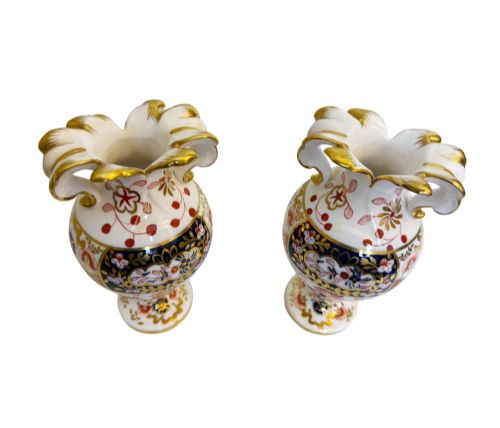
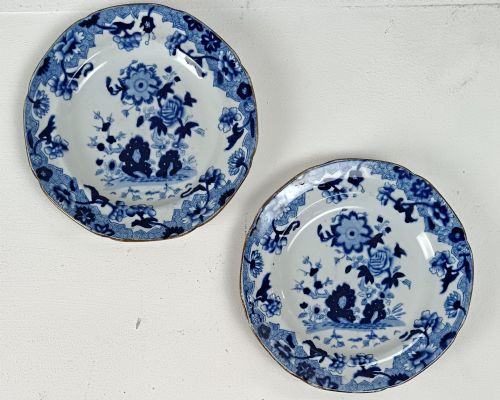
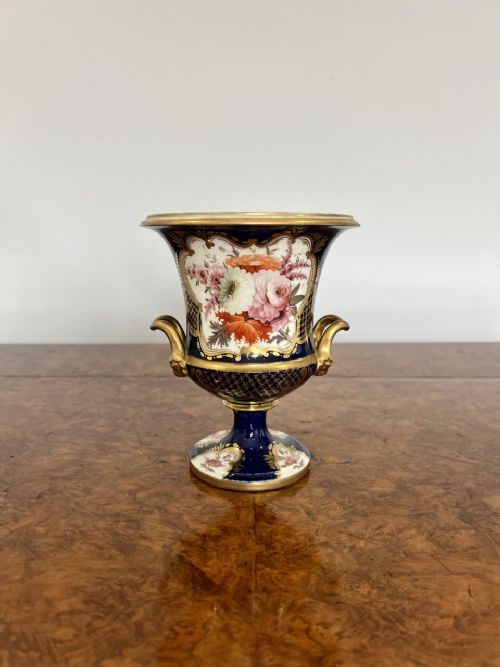
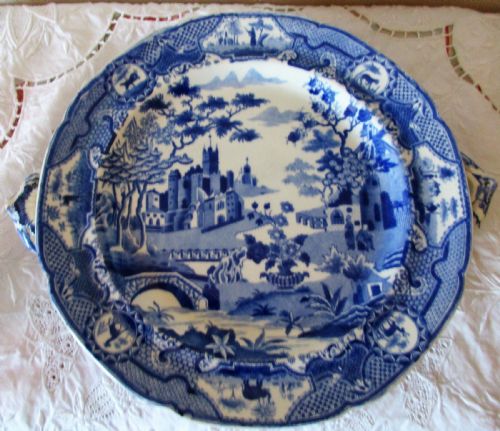
Blue and white transfer-printed patterns sit alongside richly gilded Imari designs and botanical motifs. Buyers frequently meet utilitarian earthenware dishes alongside translucent porcelain cabinet pieces intended for display.
Materials and production methods
Josiah Spode introduced bone china to commercial success by combining bone ash, china clay, and china stone to achieve a durable yet translucent body. Felspar porcelain and stone china formulations followed, offering increased strength for heavy-use dinner services and plates.
Decoration relied on underglaze blue transfer printing derived from copper plates, combined with overglaze enamel painting and hand-applied gold leaf gilding. Kiln firing techniques allowed complex polychrome palettes to fuse permanently with the glaze.
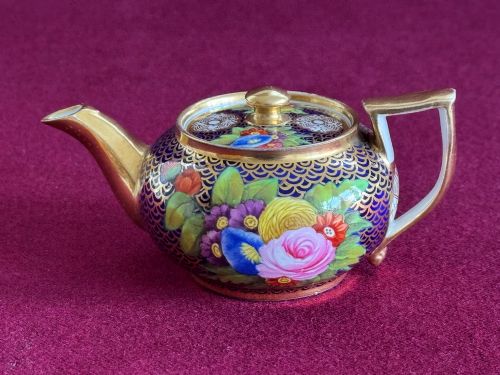
Miniature toy teapots let Georgian children practise pouring tea without smashing the family's best service.
Distinctions in quality and execution
Quality separates standard utilitarian wares from ambitious cabinet pieces through the precision of the hand-painted enamels and the crispness of the gilt work. Superior examples exhibit intricate brushwork and careful alignment of pattern numbers.
The potting of the ceramic body itself dictates standard, with thinner, more translucent porcelain vessels representing higher technical skill than thicker earthenware items. Preservation of the original gilding and glaze integrity governs the desirability of surviving services.
Spode·Copeland and Garrett·Copeland Spode
The Antique Spode China Glossary
- Bone china
- A hybrid porcelain incorporating bone ash into the paste, creating a durable, milky-white body with high translucency. This body became a staple of early nineteenth-century English ceramic production.
- Imari
- A decorative style featuring cobalt blue, iron-red, and gold, inspired by Japanese export porcelains. Spode adapted this palette extensively for tea wares and cabinet pieces.
- Transfer printing
- A mechanical method of applying complex designs to ceramics using an engraved copper plate and thin paper. It allowed consistent reproduction of detailed landscapes and floral borders.
- Felspar porcelain
- A specific ceramic body patented to improve strength and whiteness by introducing feldspathic rock into the mixture. It appears frequently in dessert services and large dishes.
- Sucrier
- A covered sugar bowl designed to match tea and coffee services. These vessels often feature twin handles and detailed finials.
Antique Spode China: Frequently Asked Questions
How do I date antique spode china?
Dating relies on recorded pattern numbers, factory marks stamped or painted on the base, and the specific ceramic body utilised. Early pieces often feature hand-painted pattern numbers in red or blue enamel.
Changes in partnership names from Spode to Copeland and Garrett provide narrower chronological windows for pieces produced after the founder's era.
Can I use antique spode plates for dining?
Most antique spode china plates and services survive from eras when daily dining involved heavy use and hand washing. While sturdy enough for occasional careful use, nineteenth-century glaze and gilding warrant gentle treatment.
Cabinet plates and delicate porcelain trios are better suited to display rather than routine modern dishwasher cycles.
How should I care for gilded spode porcelain?
Hand washing in lukewarm water with mild soap preserves the delicate gold leaf and overglaze enamel painting found on Regency and Victorian pieces. Abrasive sponges or harsh detergents will damage the historic surface.
Storing pieces with adequate separation prevents chipping on fragile rims and handles.