






Antique Spider Leg
These antique spider leg tables and chairs offer slender proportions and exceptional agility, making them delightful additions to any period interior.
Antique Spider Leg
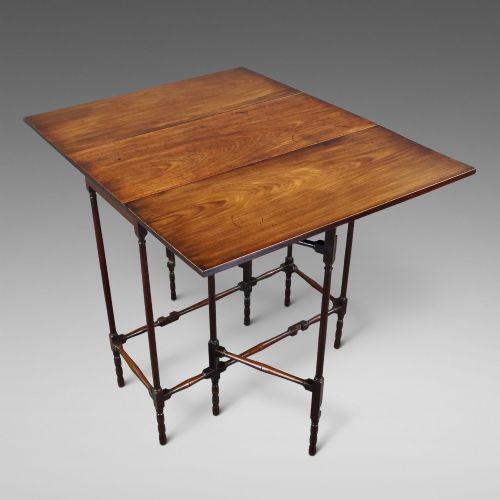
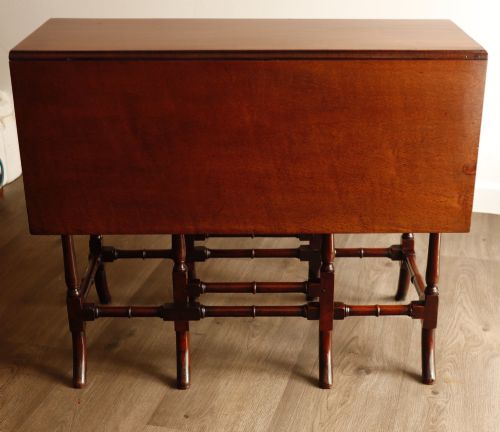
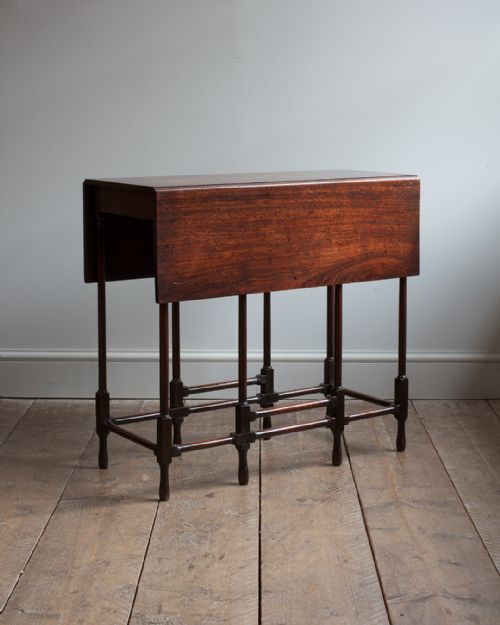
When you search for antique spider leg items, you encounter delicate tables and chairs characterised by remarkably thin, turned supports. The most frequent discoveries on this page are mahogany drop leaf, tea, and occasional tables dating from the eighteenth century and the Georgian period, alongside Victorian chairs with spider web backs.
The form developed to provide a sturdy surface without visual heaviness, serving primarily as light tea tables or Pembroke tables in principal rooms. Eighteenth-century examples demonstrate the earliest iterations of this slender gateleg construction, while Edwardian and later reproductions continue the tradition with oval nest tables and double gateleg formats.
Beyond the standard occasional and drop flap tables, the evidence includes specific seating such as desk chairs featuring carved mahogany spider web back designs from the late nineteenth century. These varied forms share a common emphasis on minimal timber mass and maximum grace, executed predominantly in richly grained mahogany.
Materials and construction methods
Cabinetmakers relied heavily upon dense, durable mahogany to achieve the extreme slenderness required for these attenuated uprights without sacrificing structural integrity. Timber selection was paramount, ensuring the narrow turned components possessed enough tensile strength to support hinged flaps and occasional weight.
Construction techniques centre on sophisticated turning and delicate gateleg or drop leaf mechanisms that allow tables to fold compactly when not in use. Joinery had to be exceptionally precise, as the thinness of the legs left little margin for error in pegging and framing.
Secondary materials appear sparingly to support the primary timber framework, including brass hardware for hinges and occasional fabric upholstery on related desk chairs. Paint and iron details occasionally surface on specific pieces, though polished mahogany remains the dominant medium across the eras.
Antique Spider Leg Retail Price Guide 2026
Typical asking prices for spider leg among the pieces listed under this phrase on Sellingantiques today, from the lower quarter to the upper quarter. They describe what is for sale here now, not the wider market.
Listings span from the 18th century through the Georgian, Victorian, and Edwardian eras, predominantly featuring mahogany tables alongside occasional chairs.
Quality variations across periods
The distinction between ordinary and superior pieces rests upon the crispness of the wood turning and the fidelity of the proportions. Earlier eighteenth-century and George III examples typically exhibit sharper detail in the leg turnings and superior timber figuring compared to later mass-produced variations.
Structural rigidity in such delicate frames dictates value; a well-preserved piece retains tight joints and smooth gateleg movement without excessive wobble in the slender supports. The subtlety of the carving, particularly on Chippendale period items or Victorian spider web chair backs, elevates the craftsmanship significantly.
The Antique Spider Leg Glossary
- Spider leg
- A descriptor for tables featuring exceptionally thin, delicate turned uprights connected by slender stretchers. These supports create a skeletal, lightweight appearance while maintaining stability.
- Gateleg table
- A table with hinged flaps supported by legs that swing outward like a gate. This construction allows the surface area to expand or contract efficiently.
- Pembroke table
- A rectangular form featuring two hinged drop leaves on the longer sides, often fitted with a drawer. It emerged during the eighteenth century as a versatile household table.
- Drop leaf
- A hinged table leaf that folds down when not in use to save space. The mechanism relies on pivoting wooden supports or swinging legs.
- Chippendale
- A style spanning the mid to late eighteenth century defined by carved mahogany and classical motifs. Pieces from this period often display superior cabinetmaking standards.
Antique Spider Leg: Frequently Asked Questions
What is a spider leg table?
A spider leg table is a light occasional or tea table distinguished by its remarkably thin, turned wooden supports and stretchers. These slender uprights give the furniture a delicate silhouette while providing a practical surface for daily use.
Most examples found here date from the eighteenth and nineteenth centuries, constructed predominantly in mahogany with drop leaf or gateleg mechanisms designed to save space.
How do I date a spider leg piece?
Dating relies on examining the timber species, the sharpness of the leg turnings, and the construction methods used in the frame. Eighteenth-century and George III pieces generally show denser mahogany and hand-turned detailing, whereas Edwardian and later items often feature lighter secondary woods and different finish patination.
Comparing the hinge types and structural joinery against known stylistic periods helps narrow down the exact decade of manufacture.
Were these tables used for dining?
These tables were primarily designed as tea tables, occasional tables, or Pembroke surfaces rather than heavy dining furniture. Their slender frames and narrow legs meant they were easily moved around principal rooms for serving refreshments or holding books.
Attempting to use them for heavy everyday dining would strain the delicate gateleg mechanisms and thin upright supports.
How do I care for mahogany spider furniture?
Maintenance requires keeping the pieces away from direct sunlight and rapid temperature fluctuations that can dry out the historic timber and crack the polish. Regular dusting with a soft, dry cloth preserves the finish without the need for heavy chemical polishes.
Because the legs are exceptionally thin, care should be taken when moving the furniture across carpeted or uneven floors to avoid placing lateral stress on the joints.