








Antique Spelter Figurines
These antique spelter figurines offer the decorative presence of bronze at a lighter weight, bringing period character to any interior.
Antique Spelter Figurines
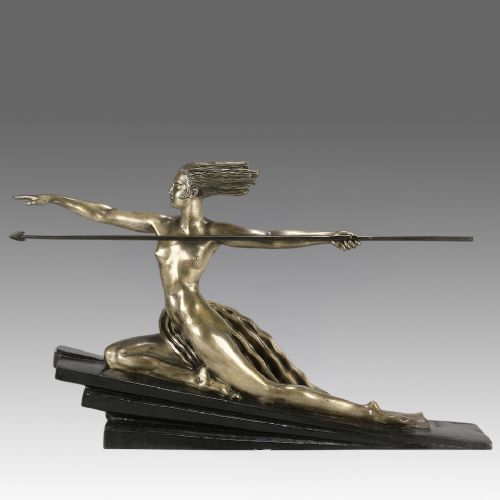
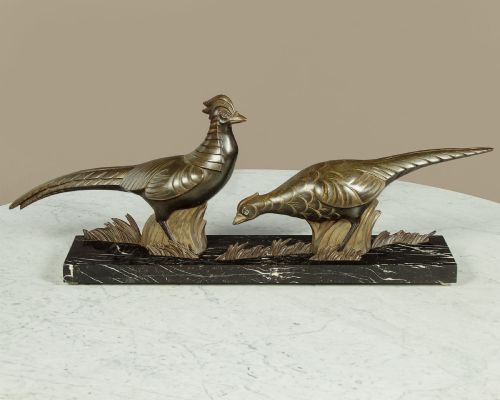
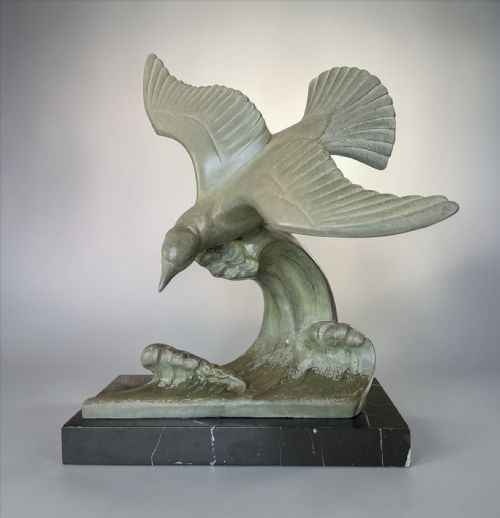
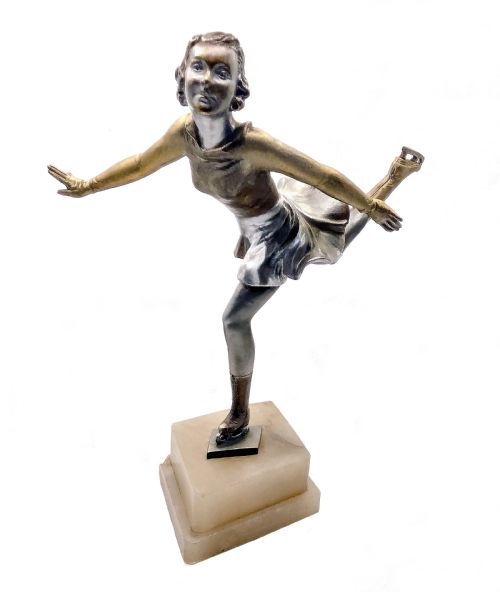
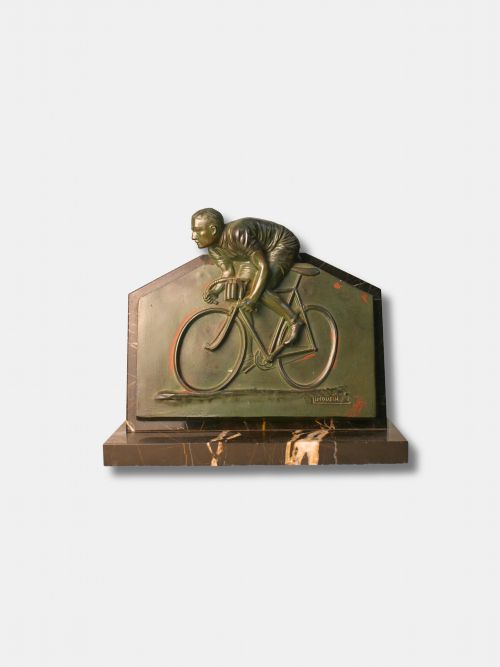
Antique spelter figurines span from Victorian subjects to dynamic Art Deco athletic figures and animals. When browsing antique spelter figurines, the most common encounters are French works from the early twentieth century, particularly dancers, animal groups, and human figures mounted on stone plinths.
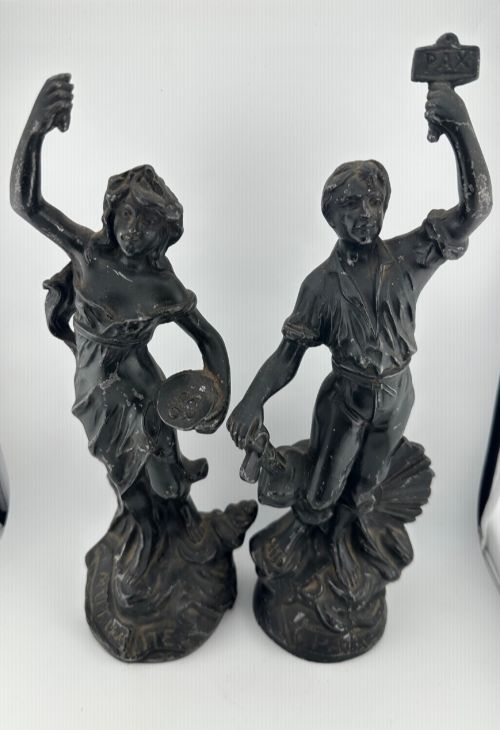
The selection ranges from Victorian models and Art Nouveau studies to nineteen-thirties table lamps and lighters. Forms include single figures, pairs of soldiers or allegorical characters, and complex sculptural groups depicting wildlife or sporting moments.
How They Were Made
These pieces are cast primarily from spelter, a zinc-based alloy, which makers often patinated to resemble bronze or finished with cold-painted highlights. Molten metal poured into moulds captured fine details of drapery, hair, and facial expression before receiving a surface treatment.
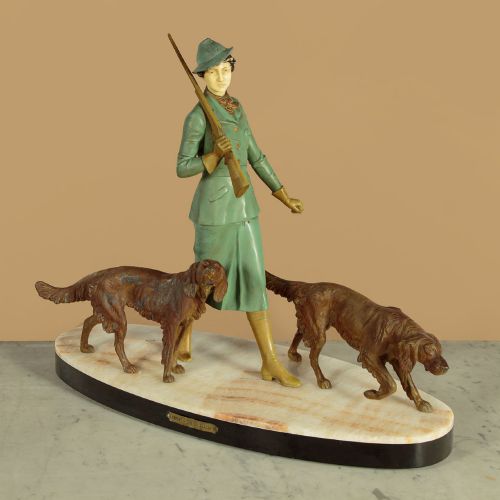
Many sculptures are mounted directly onto solid bases of marble, onyx, or alabaster to provide stability and a contrasting textural element. The combination of metal and stone gives the finished works adequate weight for display as mantel ornaments or table lamps.
Antique Spelter Figurines Retail Price Guide 2026
Typical asking prices for spelter figurines among the pieces listed under this phrase on Sellingantiques today, from the lower quarter to the upper quarter. They describe what is for sale here now, not the wider market.
The listings show a strong representation of Art Deco pieces, particularly French dancers and animal groups from nineteen-thirty.
What Varies in Quality
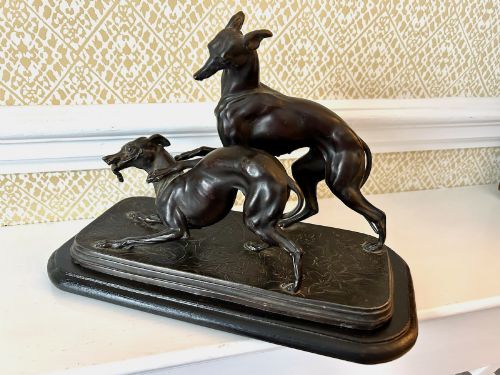
The choice of integral base material also marks the grade of a piece, with dense marbles and well-fitted onyx plinths elevating the overall construction. The fluency of the pose, particularly in dynamic figures like dancers or running greyhounds, separates standard production from superior artistry.
Josef Lorenzl·Geo Maxim·C Masson·Chiparus·Moreau
The Antique Spelter Figurines Glossary
- Spelter
- A zinc alloy commonly utilised as a less costly alternative to bronze for decorative statuary and lamps. It takes patination and paint well.
- Patinated metal
- A chemical or heat treatment applied to the surface of the metal to simulate aged bronze or create a specific dark tone. This finish protects the underlying alloy and defines the contours.
- Cold-painted
- A method where paint is applied to the metal without heat firing, often seen on garments or animal details. It requires careful handling to prevent flaking over time.
- Plinth
- The solid block of marble, onyx, or alabaster supporting the figure. It anchors the sculpture and balances its composition.
- Spelter figure
- A standalone cast metal representation of a human or animal subject. These objects often bear signature plaques or maker attributions on the base.
Antique Spelter Figurines: Frequently Asked Questions
What is spelter metal?
Spelter is a zinc-based alloy that makers used extensively for decorative sculptures and lamps during the nineteenth and twentieth centuries. It offered a practical medium for detailed casting at a lower cost than bronze.
Objects made from this material were frequently patinated to resemble older bronzes or painted with colourful finishes. This alloy is softer and lighter than genuine bronze.
How do I clean an antique spelter figurine?
Maintenance requires only a gentle wipe with a soft, dry cloth to remove dust from the surface and crevices. Avoid using water, abrasive cleaners, or harsh chemicals which can damage the delicate patination or cold-painted highlights.
Keeping the piece away from direct sunlight and damp environments helps preserve the metal finish and the integrity of any attached stone base.
Are these figures solid metal?
Most antique spelter figurines are hollow-cast rather than solid metal, which reduced the weight and cost of production. Despite being hollow, they are typically mounted onto heavy stone plinths to ensure they remain stable when displayed.
The metal walls are thick enough to provide structural rigidity for everyday display on mantelpieces or tables.
How can I tell Art Deco figures apart?
Art Deco pieces from the nineteen-thirties typically feature stylised geometries, athletic human forms, or sleek animals like panthers and greyhounds. They frequently incorporate stepped marble or onyx bases and reflect the modern speeds of the era.
Earlier Victorian or Art Nouveau examples tend towards classical drapery, romantic themes, or naturalistic plant motifs with softer, more flowing lines.