







Antique Specimen Box
An antique specimen box gathers small treasures and natural history objects inside compact timber and glass housings designed for tabletop display.
Antique Specimen Box
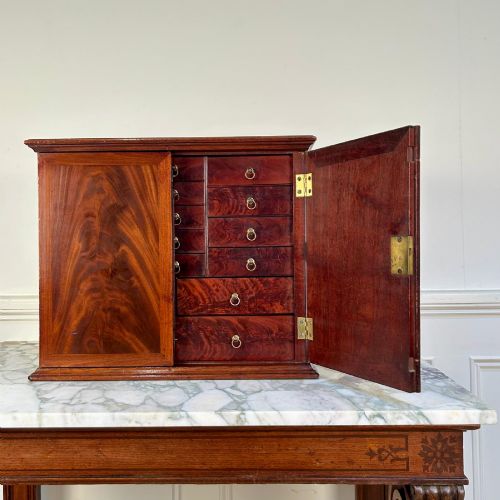
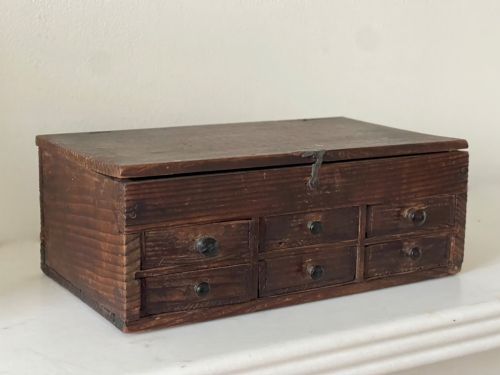
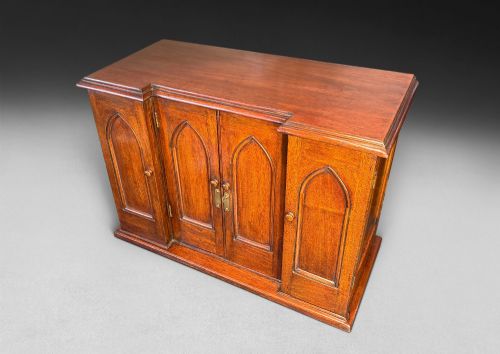
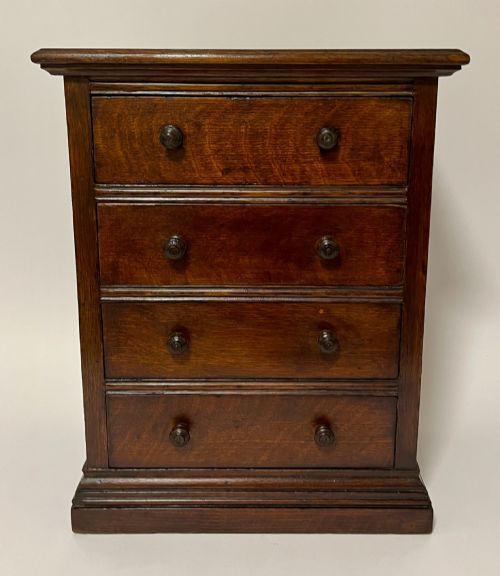
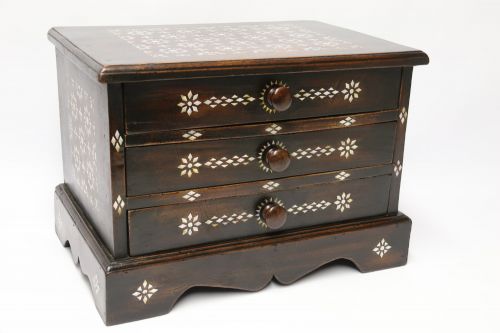
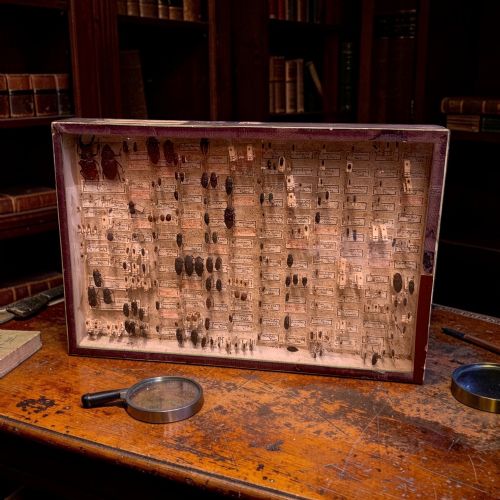
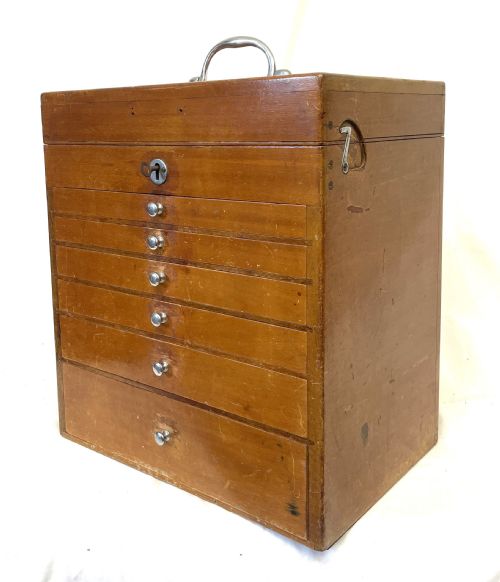
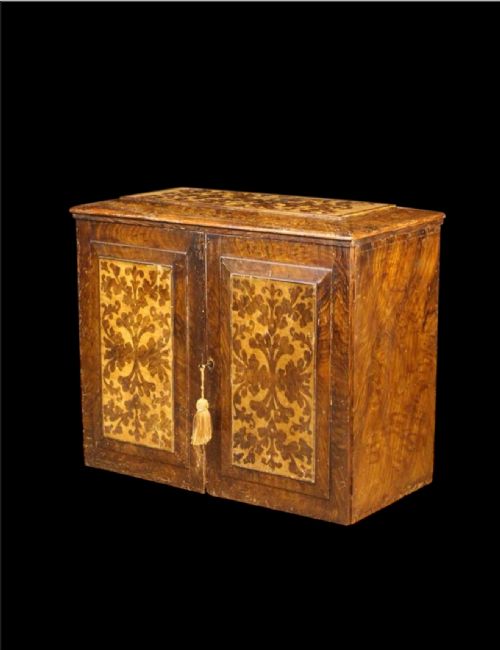
An antique specimen box brings together miniature chests of drawers, display cases, and table cabinets intended for organising small objects. These pieces range from Victorian microscope slide holders and entomology cases to medical carrying chests and miniature furniture.
The most common examples on this page date from the nineteenth century and the Edwardian era, constructed in timber formats suited for desktops or tables. They serve to protect and display delicate contents through fitted drawers, glass panels, and brass hardware.
Originating as practical storage for naturalists, physicians, and watchmakers, these pieces now function as decorative display units in domestic interiors. Their configurations vary from multi-drawer cabinets to glazed viewing cases.
How they were made
Cabinet makers utilised dense hardwoods including mahogany, oak, walnut, and satinwood, often pairing them with brass handles, locks, and hinges. Glass panels were incorporated into doors and lids to permit visibility while protecting the interior contents from dust.
Construction methods focused on secure joints and close-fitting drawers to safeguard fragile items such as microscope slides or taxidermy specimens. Finer examples integrated intricate inlays, specimen wood veneers, or bone details alongside fitted velvet or baize linings.
Antique Specimen Box Retail Price Guide 2026
Typical asking prices for specimen box among the pieces listed under this phrase on Sellingantiques today, from the lower quarter to the upper quarter. They describe what is for sale here now, not the wider market.
Object forms span apothecary chests, spice cabinets, seed chests, watchmaker boxes, and entomology cases alongside traditional multi-drawer collector cabinets.
What varies in quality
Quality reveals itself in the choice of timber and the precision of the joinery across the drawers and frame. Pieces utilising burr walnut, satinwood, or detailed bone and wood veneers demonstrate greater workshop ambition than plain utilitarian pine or oak versions.
The sophistication of the internal fittings, such as numbered microscope slide racks, brass locking mechanisms, and intact glass panels, elevates the standard of the piece. Well-preserved original surfaces and hardware distinguish superior examples from heavily altered or restored items.
Edmund Nye
The Antique Specimen Box Glossary
- Collector cabinet
- A small piece of furniture fitted with multiple shallow drawers designed to hold natural history specimens or small artefacts. These units typically sit on tables or desks.
- Microscope slide cabinet
- A specialised storage chest featuring tightly fitted rows of shallow drawers made to hold glass slides safely. They frequently include double doors and locking mechanisms.
- Specimen woods
- Various decorative timbers selected for their contrasting colours and grain patterns, often arranged in geometric patterns. This technique appears on nineteenth-century boxes and decorative surfaces.
- Tabletop cabinet
- A miniature chest or case scaled down to rest upon a desk, counter, or table rather than stand on the floor. They provide accessible storage for documents, instruments, or jewellery.
Antique Specimen Box: Frequently Asked Questions
What did people store in an antique specimen box?
These boxes held specialised collections including microscope slides, insects, botanical samples, medical instruments, and watch parts.
Naturalists, physicians, and craftsmen utilised the fitted drawers and compartments to keep delicate items organised and secure.
Are these boxes meant for tabletops or floors?
Almost all examples on this page are tabletop or desk-sized formats designed to sit upon furniture rather than stand independently.
Their compact proportions allowed collectors to examine their contents closely at desk height.
How do I identify a Victorian specimen box?
Victorian examples frequently employ mahogany, oak, or walnut with brass hardware, lockable doors, and multiple shallow drawers.
Many incorporate glazed lids or panelled doors specifically built for viewing natural history specimens or slides.
Can I use these cabinets for modern displays?
These cases suit modern interiors for displaying small curiosities, jewellery, minerals, or natural history items.
The glass panels and divided drawers protect modern collections while offering a clear view of the contents.