


Antique Solitaire Cluster Ring
An antique solitaire cluster ring combines a central stone with a surrounding halo, offering the brilliance of multiple gems in one refined setting.
Antique Solitaire Cluster Ring
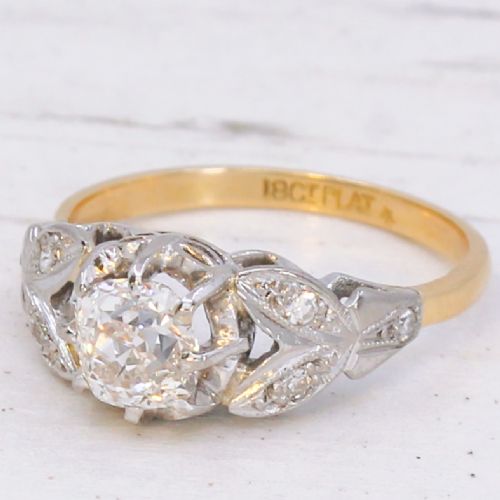
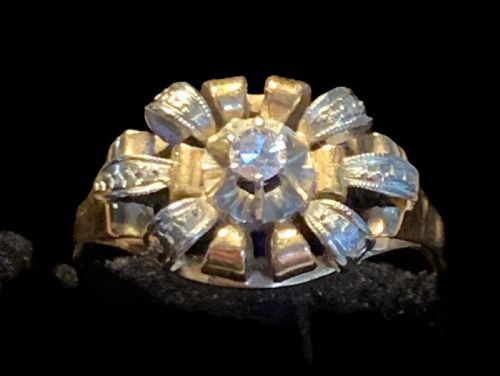
An antique solitaire cluster ring brings together a prominent centre stone bordered by smaller gems, creating a focal point designed to catch the light from every angle. When exploring this selection, buyers encounter pieces spanning multiple eras, from Victorian and Edwardian designs to Art Deco creations and mid-century items.
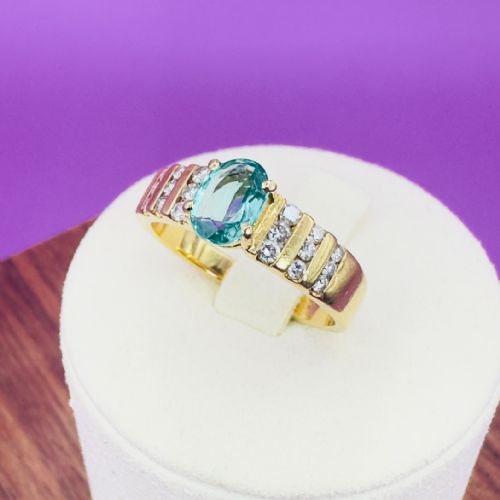
The materials and motifs vary considerably across these periods, encompassing floral daisy arrangements, geometric shapes, and twist forms. Gold in various carat weights, platinum, and silver form the foundations, paired with diamonds, sapphires, rubies, emeralds, opals, amethysts, and pearls.
Materials and construction methods
Goldsmiths and platinum workers utilised durable precious metals to secure stones while maintaining delicate visual lines. Platinum and white gold gained favour during the Art Deco period for intricate geometric metalwork, whereas yellow gold defined earlier Victorian and Edwardian mountings.
Gemstones feature characteristic period cuts, including old European, old cut, rose cut, and transitional cuts shaped by hand rather than modern machinery. These traditional cutting techniques result in softer facets that distribute candlelight and gaslight with a characteristic warm glow.
Early twentieth-century makers sometimes hid tiny ventilation pierced under cluster settings to let light clean the stones from below.
Judging quality and execution
The standard of an antique solitaire cluster ring rests on the harmony between the central stone and the surrounding cluster. Master jewellers ensured that the claw settings or bezel mounts held each gem securely without overpowering the delicate proportions of the overall design.
The purity and colour of the primary diamond or coloured gemstone, combined with the integrity of the metalwork, separate standard pieces from exceptional examples. Original settings that retain their structural depth and crisp geometric lines demonstrate superior craftsmanship from their respective periods.
The Antique Solitaire Cluster Ring Glossary
- Cluster ring
- A ring featuring a central stone encircled by a group of smaller gemstones. This arrangement maximises visual impact and perceived size.
- Old cut diamond
- A diamond shaped by hand before modern symmetrical standards developed. It typically possesses a smaller table and larger culet.
- Rose cut diamond
- A stone featuring a flat base and a domed crown set with triangular facets. This cut resembles an unopened rosebud.
- Platinum
- A dense, strong white metal utilised extensively in Edwardian and Art Deco jewellery. It permits delicate settings without sacrificing strength.
- Cabochon
- A gemstone shaped and polished with a smooth, rounded surface rather than faceted edges. This style is common in opals and certain sapphires.
Antique Solitaire Cluster Ring: Frequently Asked Questions
How do I identify an Art Deco cluster ring?
Art Deco cluster rings display geometric symmetry, sharp angles, and platinum or white gold settings. These pieces often incorporate calibrated stones and stepped shoulders.
They contrast with the softer floral motifs and yellow gold found in earlier Victorian and Edwardian examples.
Are these rings suitable for daily wear?
Many buyers wear these pieces daily, provided the settings receive regular checks by a professional jeweller. Platinum and high-carat gold mountings offer adequate durability for everyday use.
Softer gems like opals and pearls require greater care to avoid impact and abrasion.
What distinguishes an old cut diamond?
Old cut diamonds possess hand-cut facets that produce a distinctive pattern under ambient lighting. They often feature deeper pavilions and smaller tabletops than modern brilliant cuts.
These characteristics give antique stones a subtle charm under low lighting conditions.