
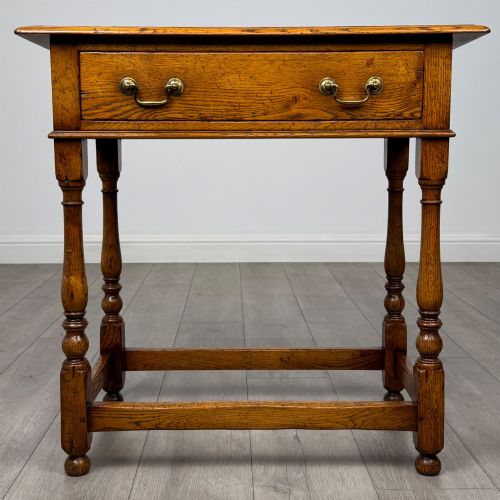
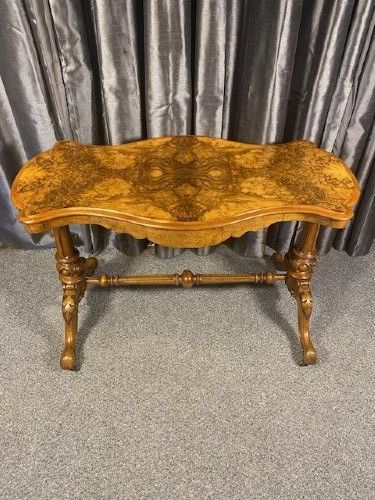
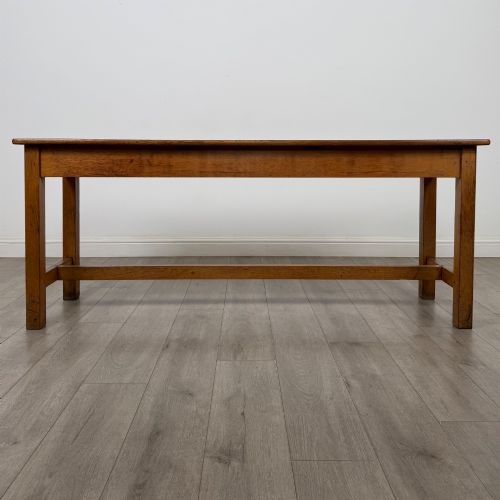
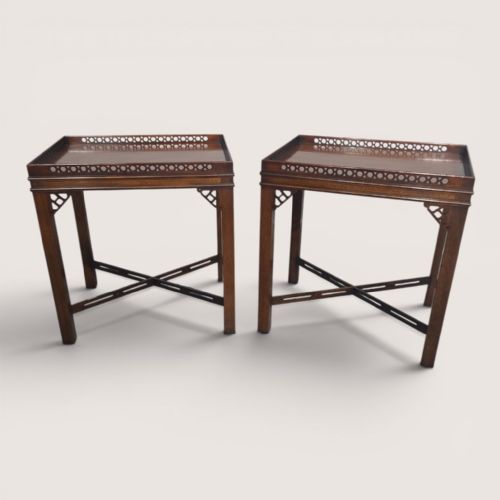



Antique Sofa Table Stretchers
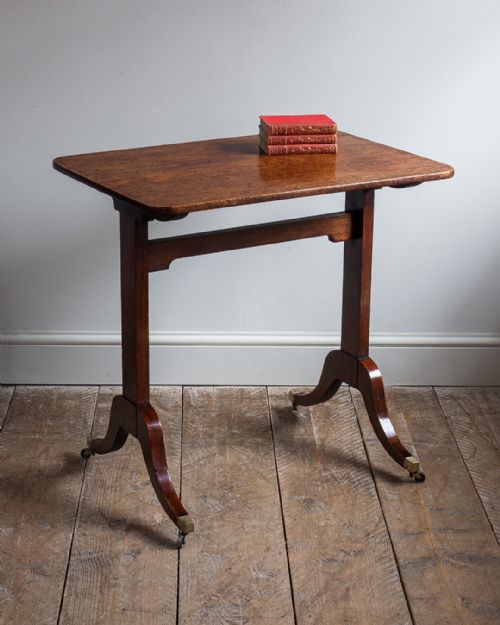
These antique sofa table stretchers and related tables are solid timber supports designed to steady freestanding and side furniture.
Antique Sofa Table Stretchers
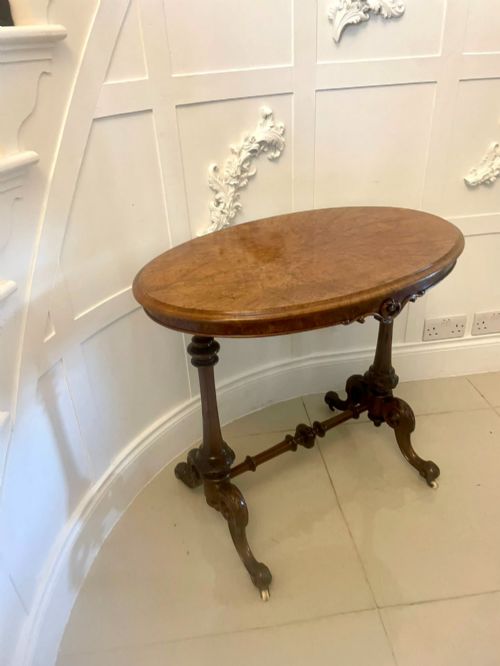
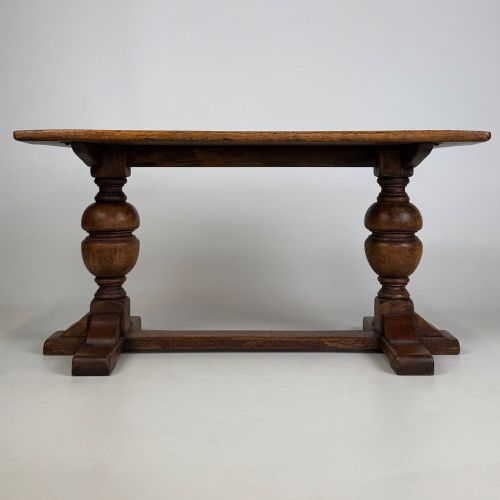
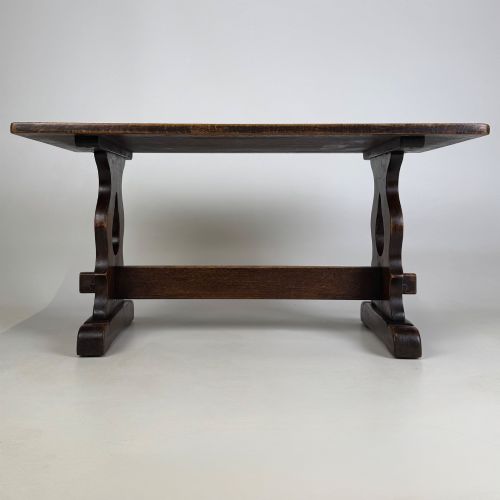
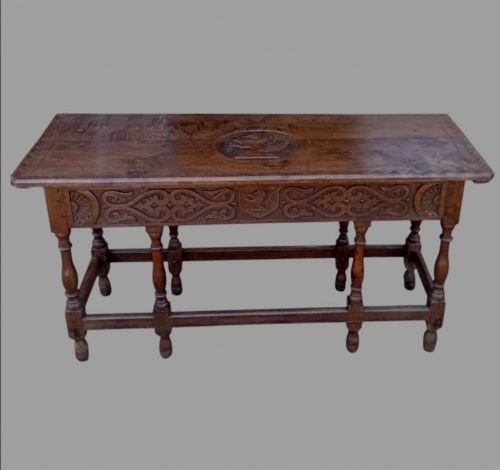
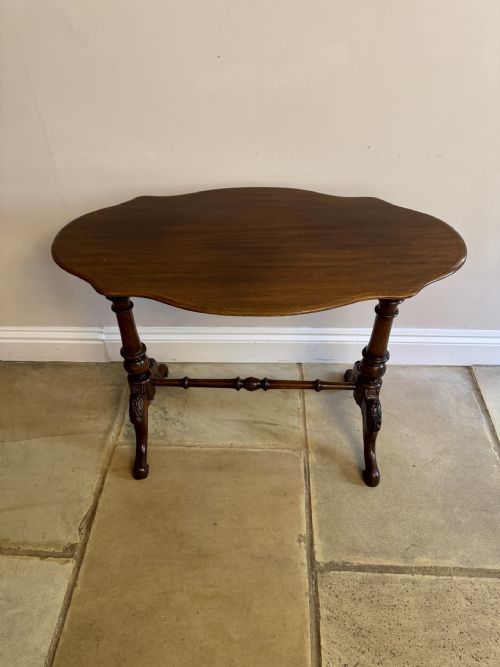
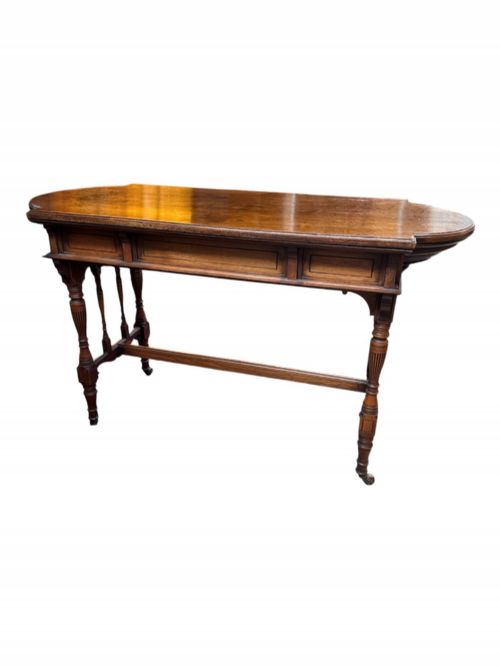
When buyers search for antique sofa table stretchers, they generally find various timber tables featuring lower bracing components that connect the legs for added stability. The selection spans the nineteenth century through the early twentieth century, including Victorian, Edwardian, and Georgian eras.
The material range on this page covers walnut, burr walnut, oak, mahogany, rosewood, and satinwood. Forms vary from side tables and occasional tables to centre tables, coffee tables, and desks.
Buyers encounter specific stretcher forms alongside related occasional and centre pieces in woods like burr oak and mahogany. These items represent domestic furniture used across multiple periods of British and continental design.
How they were made
Cabinet makers utilised dense hardwoods such as mahogany, walnut, and oak to construct these frames, often selecting figured veneers like burr walnut for decorative surfaces. Joinery relied on traditional methods to secure the legs and lower stretcher rails together firmly.
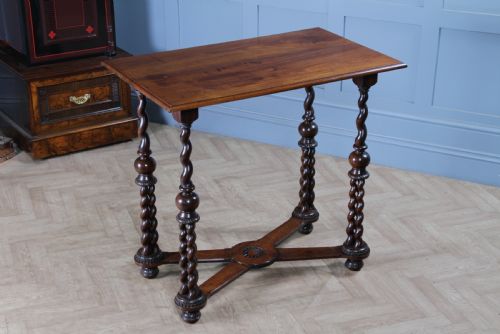
Secondary details include brass fittings, inlaid satinwood accents, and carved elements such as barley twists or panel decorations. Surfaces received polished finishes that highlighted the natural grain of the timber.
Object types on this page include coffee tables, side tables, centre tables, and writing desks with various stretcher configurations.
What varies in quality
Quality in these pieces depends on the selection of timber veneers and the crispness of any applied carving or inlay work. Finer examples display carefully matched burr walnut or figured mahogany alongside balanced proportions.
Construction rigidity also separates standard pieces from superior ones, visible in how tightly the stretcher rails and joints integrate with the main legs. The depth of finish and the preservation of original brass components further distinguish better examples.
The Antique Sofa Table Stretchers Glossary
- Stretcher
- A horizontal timber rail connecting the legs of a table to provide structural rigidity. These rails sit near the base and often feature turned or carved detailing.
- Burr Walnut
- A figured wood grain obtained from walnut tree growths, prized for its complex swirling patterns. Cabinet makers utilised this veneer on tabletops and surfaces during the Victorian period.
- Pembroke Table
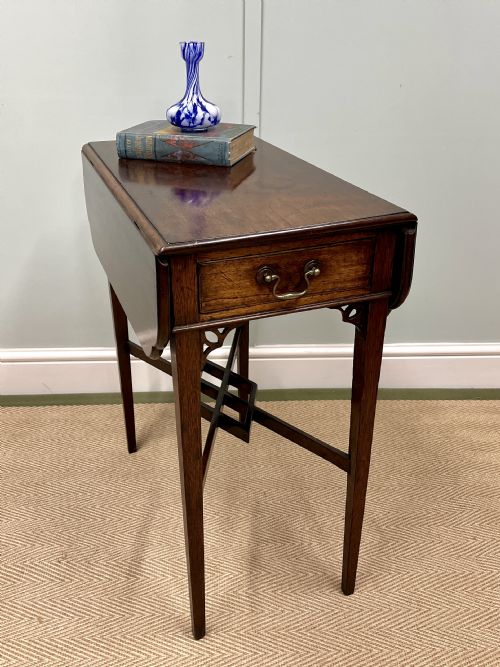
- A small rectangular table featuring two hinged drop leaves on opposite sides. They date back to the Georgian era and typically include a single drawer.
- Centre Table
- A freestanding table designed to be viewed from all sides rather than pushed against a wall. These pieces frequently appeared in nineteenth-century drawing rooms.
- Satinwood
- A pale, hard timber native to India and Ceylon with a lustrous, light-reflecting quality. Makers used it for inlay work on Edwardian and earlier occasional furniture.
Antique Sofa Table Stretchers: Frequently Asked Questions
What is a stretcher table?
A stretcher table is a piece of furniture that incorporates connecting rails between its legs for extra support. These lower crossbeams help maintain the rigidity of the frame.
Such designs appear across various nineteenth-century and Georgian forms, including side and centre tables.
How do I date an antique table?
Dating involves examining the timber species, construction joints, and decorative style used by the maker. Characteristics like mahogany or oak usage give clues to the period.
Design revivals can sometimes complicate dating, so examining secondary woods provides further clarity.
Where were these tables used?
These tables served various domestic functions in nineteenth and early twentieth-century homes. Hallways, libraries, and drawing rooms all accommodated different forms.
Smaller occasional and lamp tables sat beside seating, while centre tables stood freestanding in larger spaces.
Are these tables solid wood?
Many examples utilise solid timbers like oak, mahogany, or walnut for their primary frames and legs. Other pieces incorporate veneers such as burr walnut over secondary timber bases.
This technique allowed makers to display decorative grain patterns across broader tabletops.