
Antique Small Cabinet
When you search for an antique small cabinet, you encounter centuries of compact storage forms designed to fit modest spaces.
Antique Small Cabinet
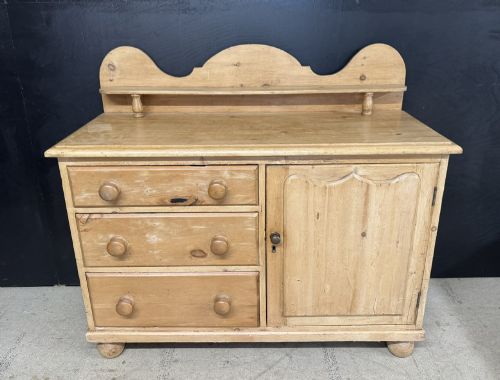
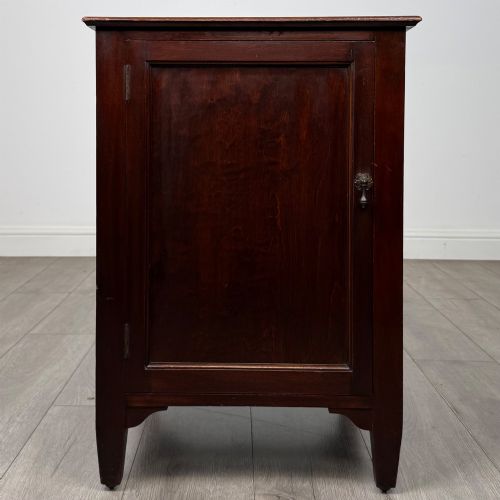
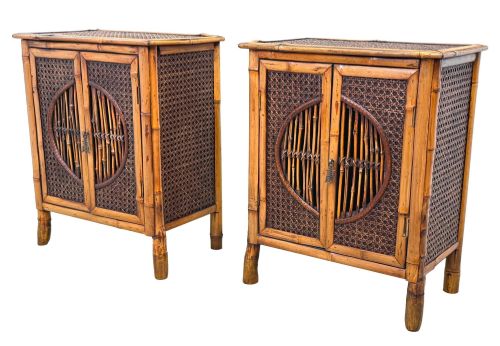
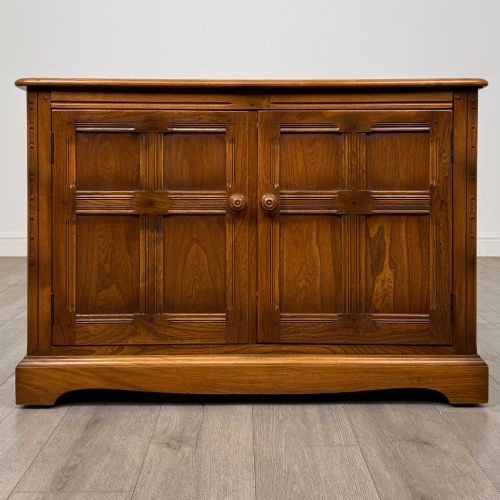
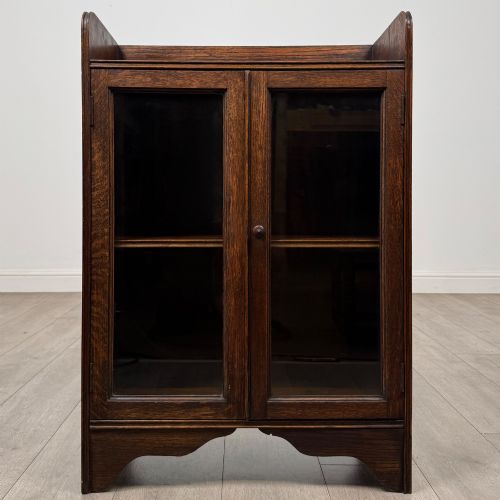
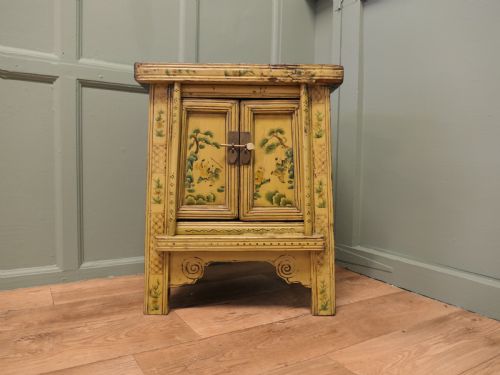
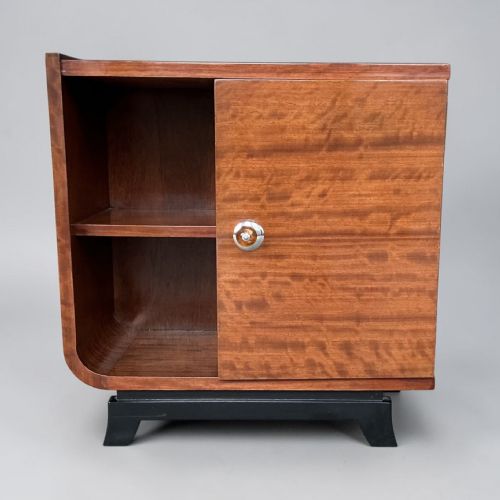
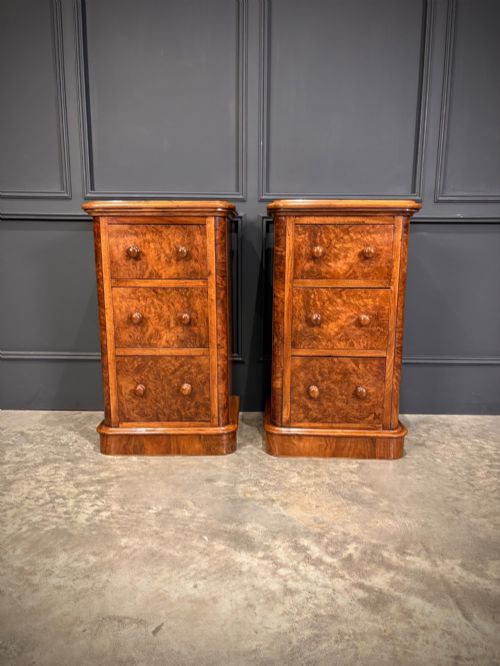
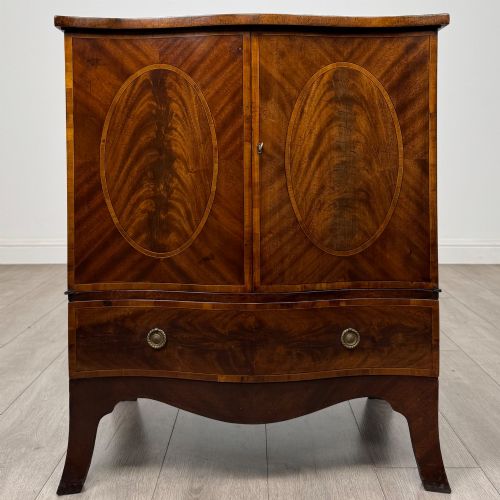
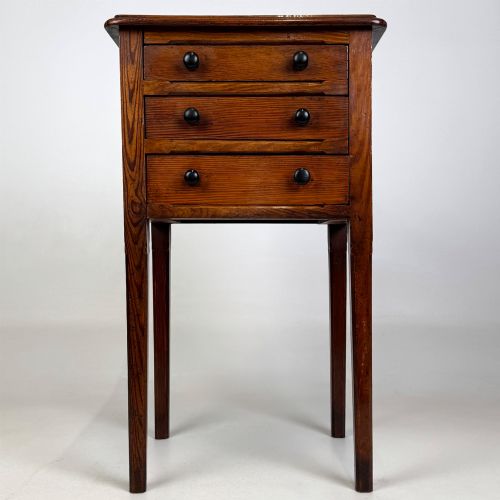
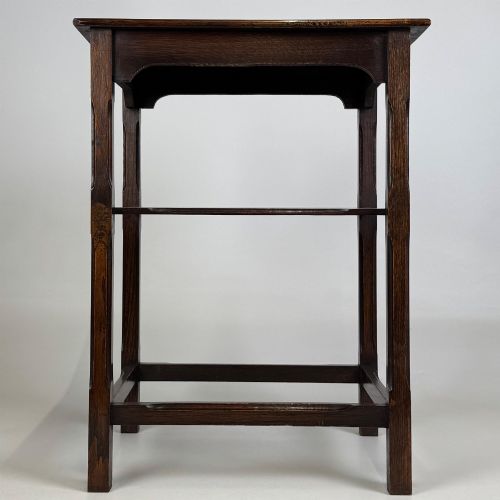
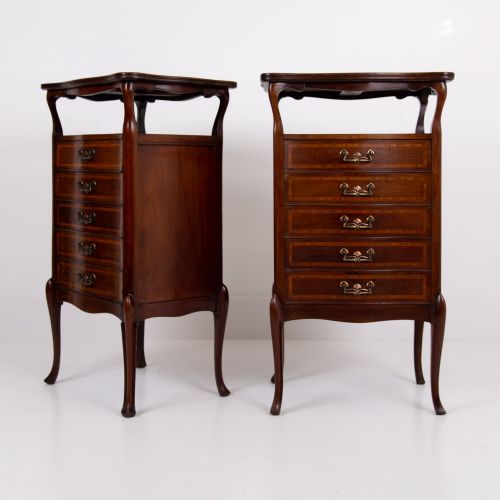
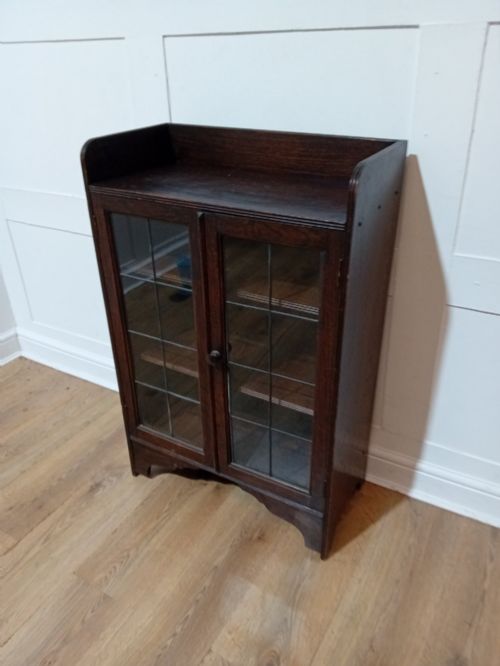
An antique small cabinet encompasses a diverse group of compact furniture pieces spanning from the seventeenth century through to the Edwardian period and the early twentieth century. Buyers encounter everything from Georgian mahogany bedside chests and Victorian walnut Wellington chests to Edwardian oak display cabinets and rustic pine cupboards.
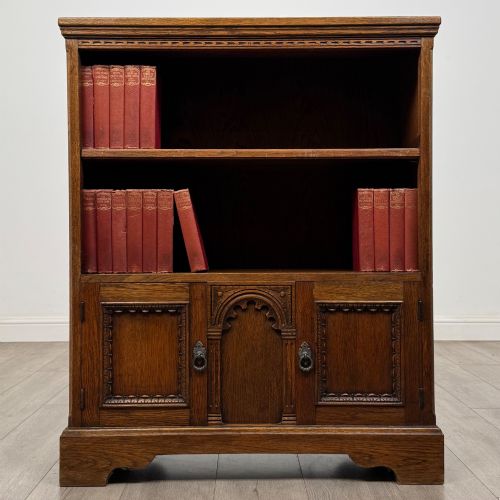
The selection ranges widely across domestic forms, including wall-hanging spice cupboards, corner cabinets, small bookcases, and miniature apprentice pieces. Oak and mahogany dominate the offerings, appearing alongside walnut, pine, and ash in various regional British and continental styles.
Materials and Construction
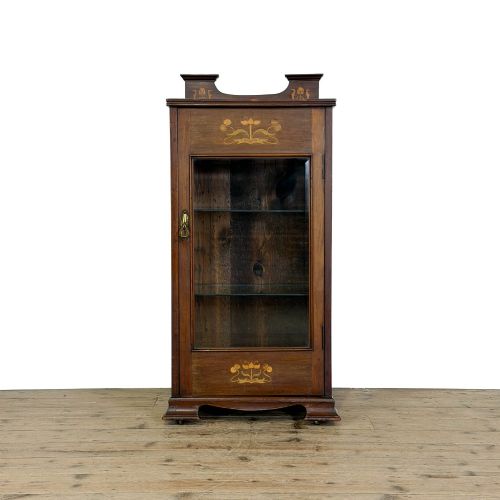
Cabinet makers utilised solid hardwoods such as oak, mahogany, and walnut, often pairing them with secondary softwoods like pine for internal carcases and drawer linings. Surface decoration frequently involved figured veneers, brass hardware, glass panels for display doors, and occasional marquetry or chinoiserie details.
Joinery techniques relied on traditional methods appropriate to the period, from early panel-and-frame construction in oak spice cupboards to dovetailed drawer construction in later Georgian and Victorian bedside chests.
Listings feature oak, mahogany, walnut, and pine across centuries ranging from the seventeenth to the twentieth.
Assessing Quality
Quality in these compact pieces is determined by the selection of timber figures, the crispness of any hand-carved elements, and the integrity of the original construction. Superior examples retain their original brass handles, locks, and patination without excessive restoration.
Finer pieces display balanced proportions and careful attention to secondary timbers, whereas lesser examples may show heavier alterations or mismatched replacement hardware over time.
Maple & Co
The Antique Small Cabinet Glossary
- Vitrine
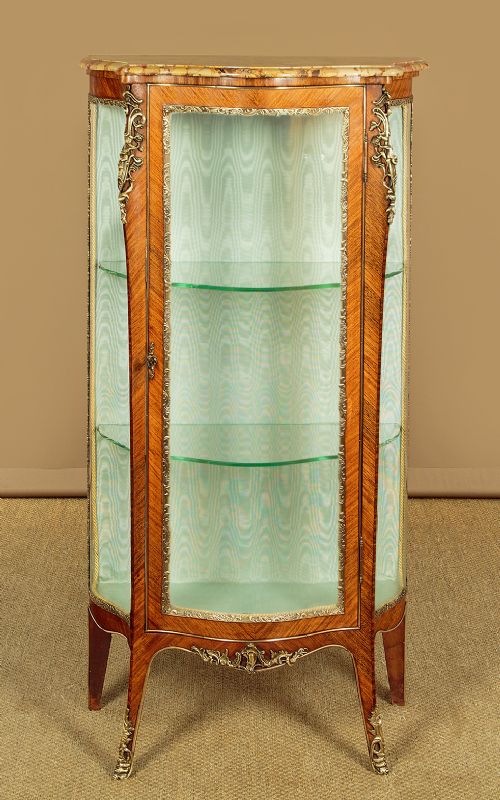
- A glass-fronted display cabinet used for showcasing porcelain and small decorative objects. These cabinets often feature glazed sides to maximise light penetration.
- Spice cupboard
- A small wall-mounted or table-top timber cabinet containing internal drawers for storing culinary herbs and spices. Early examples frequently display detailed geometric paneling.
- Tallboy
- A tall chest of drawers consisting of one chest stacked upon another deeper base section. They provide generous vertical storage within a minimal footprint.
Antique Small Cabinet: Frequently Asked Questions
Where should I place a small antique cabinet?
These compact pieces adapt easily to various domestic settings, functioning effectively as bedside tables, hallway surfaces, or living room display units. Their modest scale allows them to fit into alcoves and tight spaces where full-sized furniture would overwhelm the room.
Consider the height and depth of the piece relative to surrounding furniture to maintain clear pathways and balanced proportions in your interior arrangement.
How do I clean wooden cabinet surfaces?
Maintain timber surfaces by dusting regularly with a soft, dry cloth to prevent the accumulation of abrasive particles. Avoid using modern silicone polishes, which can build up a hazy residue and damage traditional wax or shellac finishes over time.
Apply a microcrystalline wax occasionally to nourish older wood and protect the grain, buffing gently to a soft natural sheen.
How can I tell a Georgian cabinet from a Victorian one?
Georgian pieces, dating through the eighteenth and early nineteenth centuries, often exhibit clean architectural lines, premium mahogany or oak timbers, and subtle brass fittings. Victorian examples tend to feature heavier proportions, darker finishes, and sometimes more elaborate carving or walnut veneers reflecting later nineteenth-century revival styles.
Examine the construction methods inside the drawers and the backing boards, as machine-sawn timber and screw types often indicate a later nineteenth or twentieth-century date.
Are wall-hanging cabinets secure to mount?
Wall cupboards require sturdy fixings suited to the specific wall construction of your home, whether plasterboard, brick, or lath and plaster. Because solid oak and mahogany cabinets carry substantial weight even when small, proper wall anchors are essential.
Distribute the weight evenly inside the cupboard once hung, and check the mounting brackets periodically to ensure stability.