

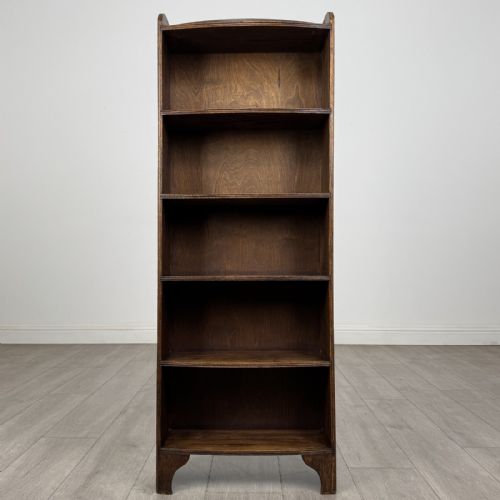
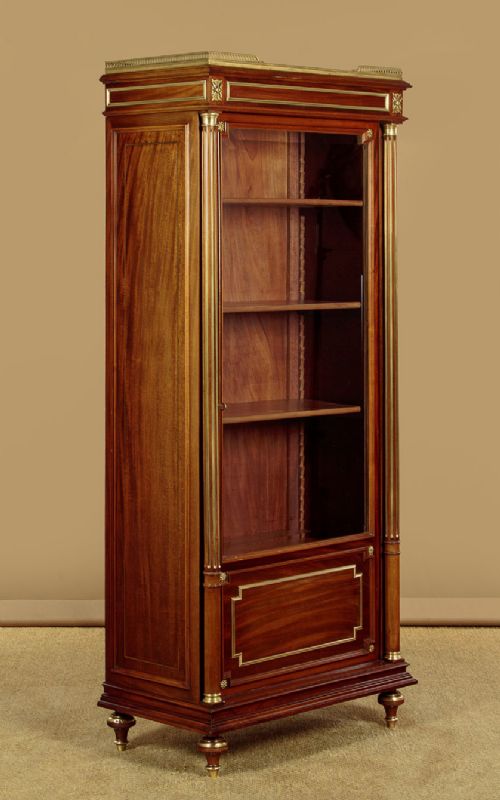
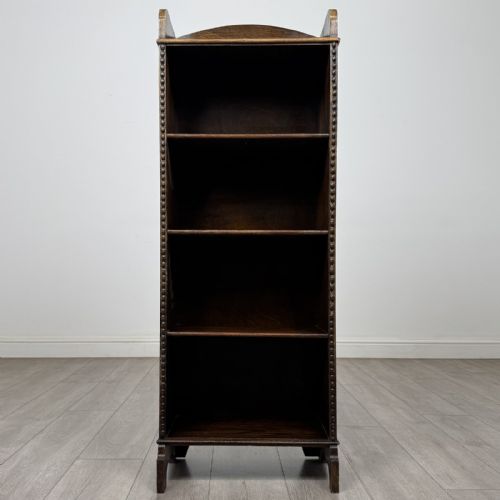
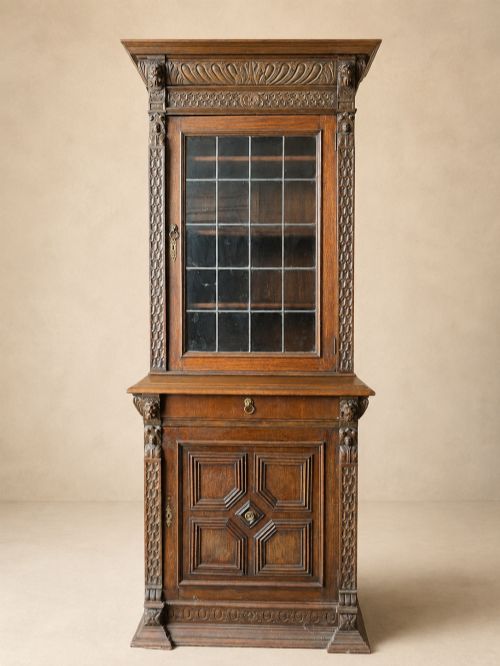
Antique Slim Bookcase
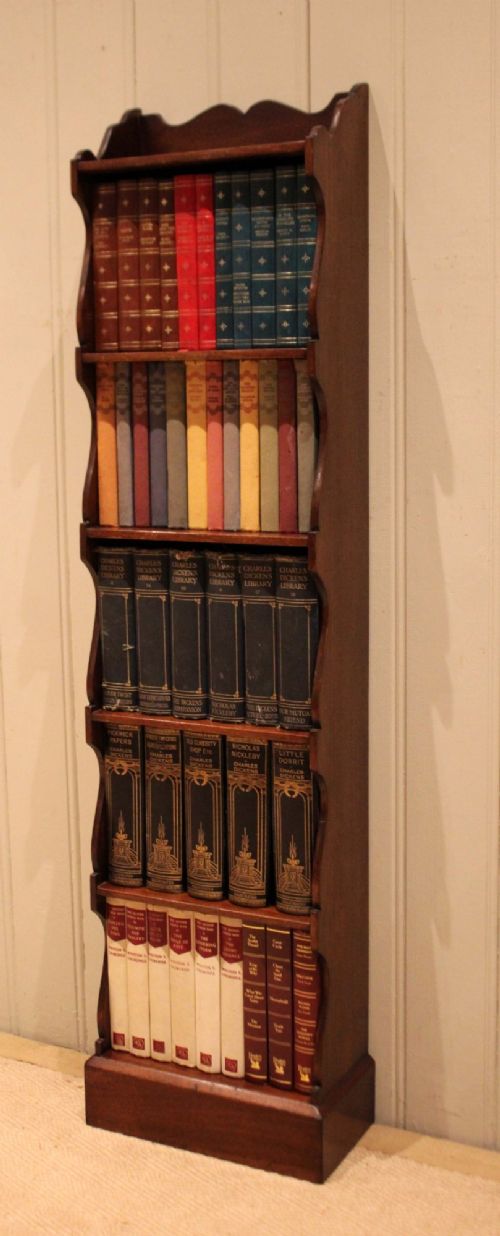
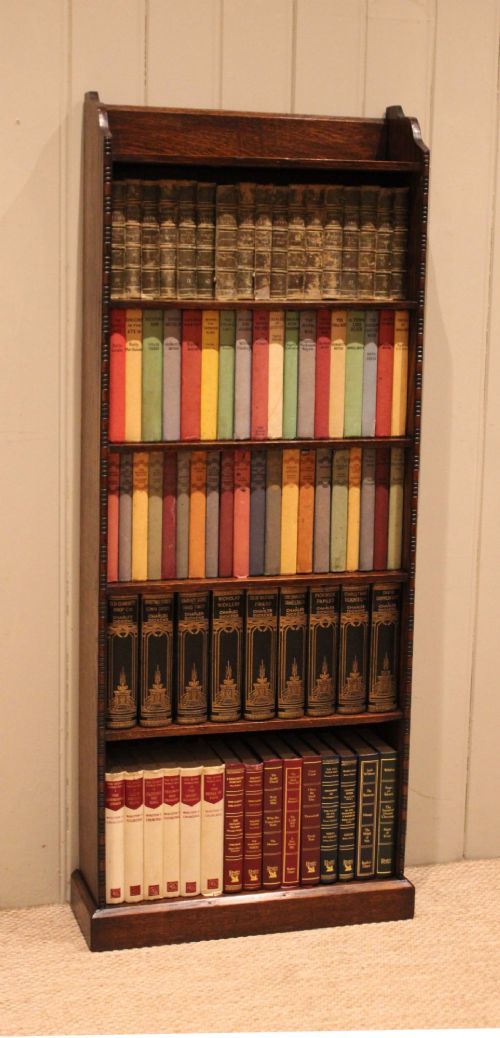
An antique slim bookcase brings upright proportion and rich timber grain to tight spaces, storing a library without crowding a room.
Antique Slim Bookcase
An antique slim bookcase provides vertical storage designed for narrow walls and alcoves, keeping footprints small while accommodating substantial volumes. These pieces appear across Georgian, Victorian, Edwardian and Art Deco periods, translating architectural ambition into domestic scale.
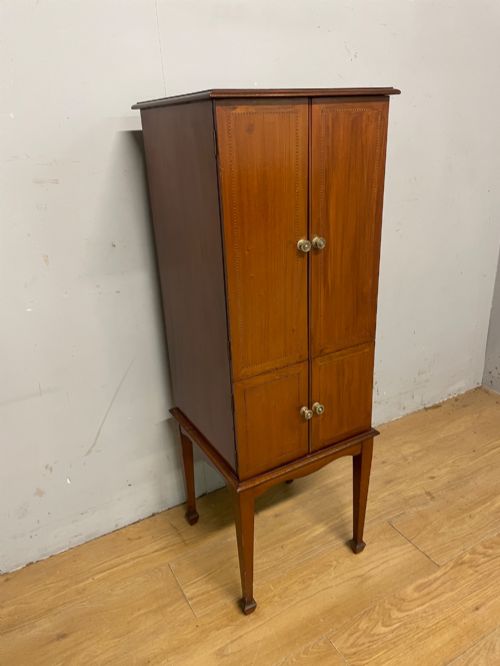
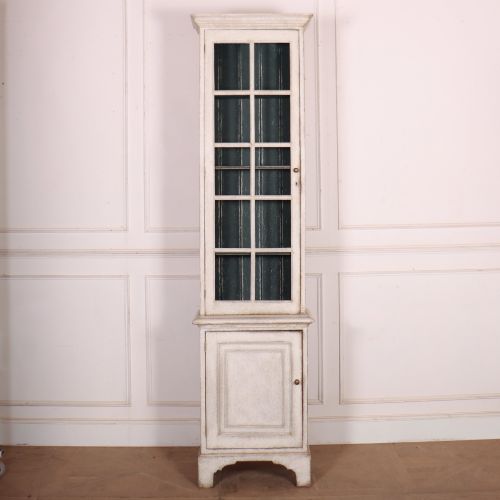
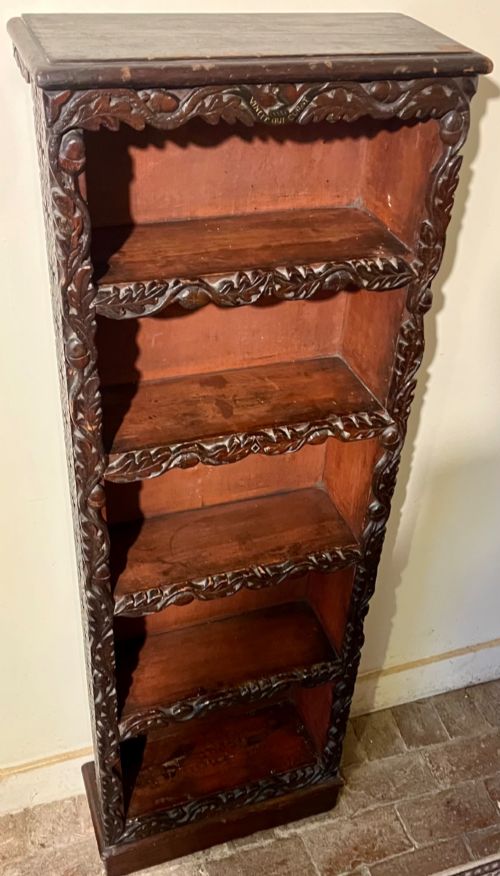
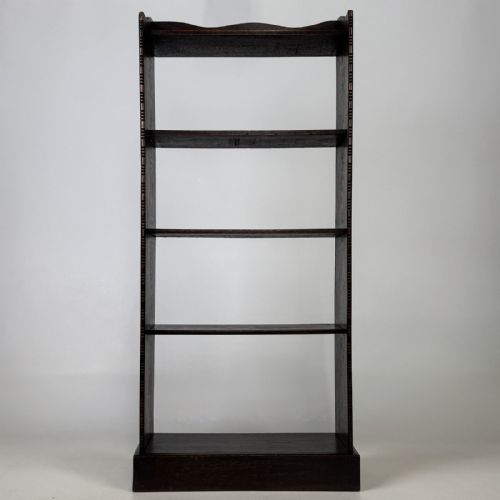
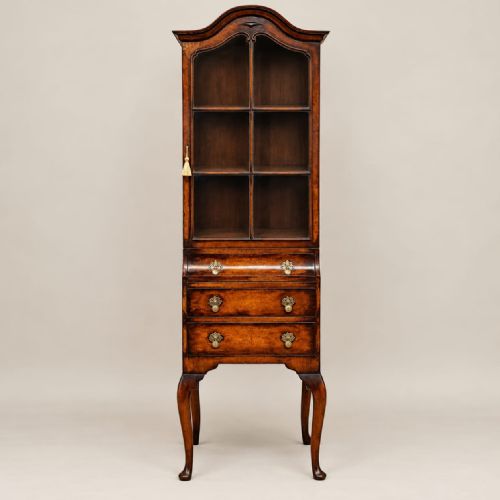
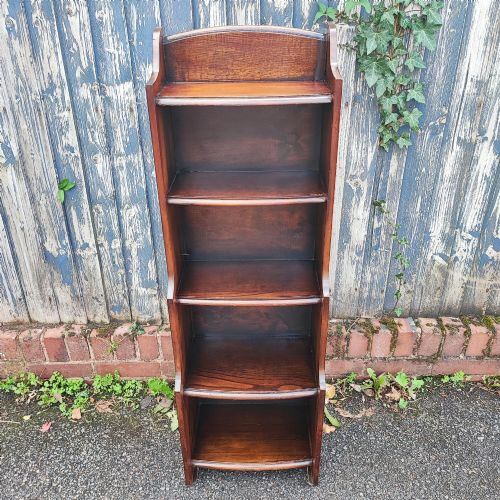
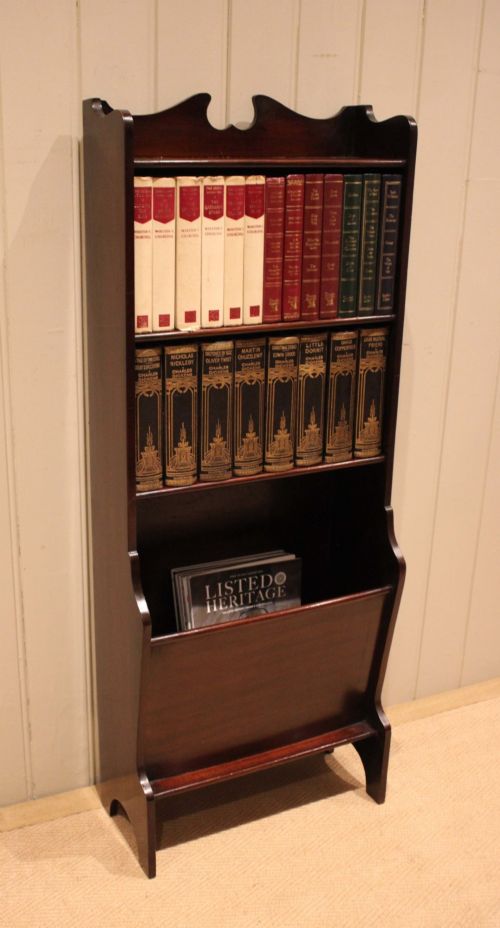
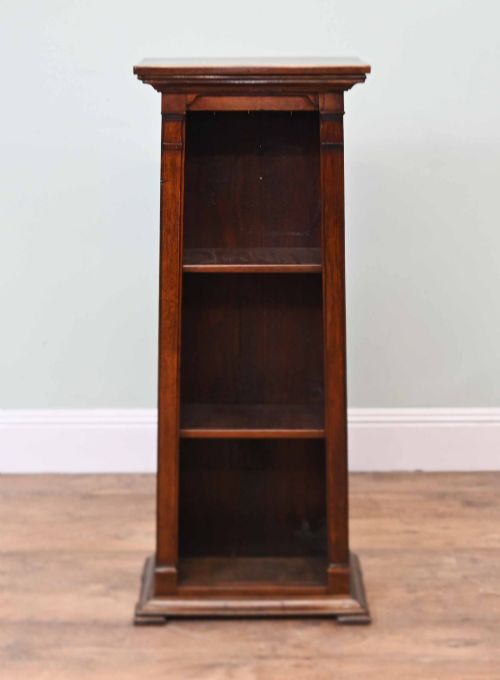
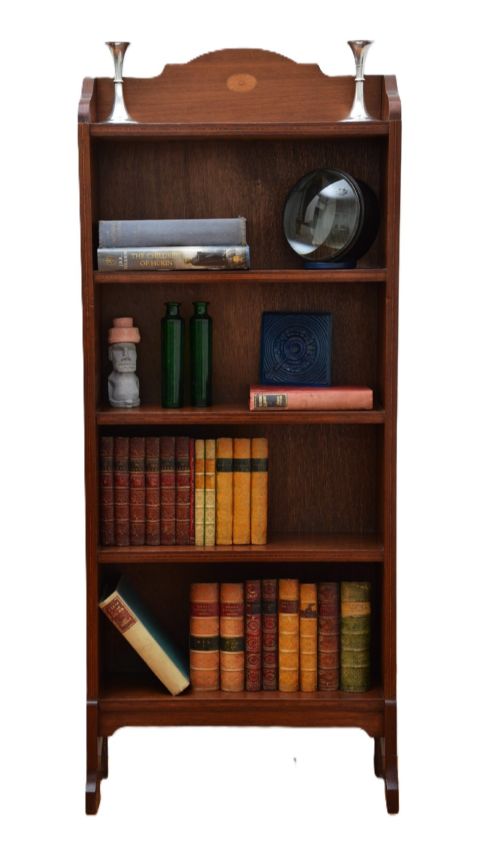
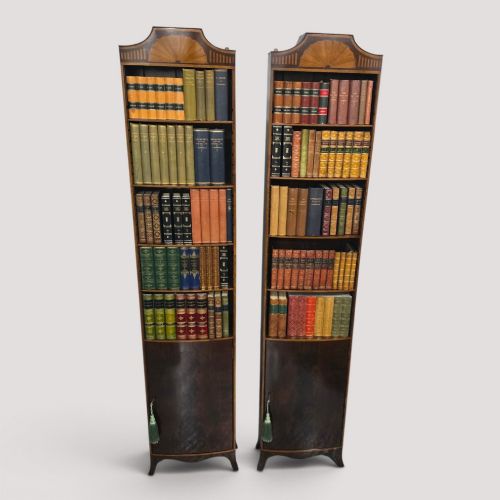
Open shelving forms the most frequent encounter on this page, alongside glazed display cabinets and fitted bureau bookcases with drop fronts. Woods like mahogany, oak and burr walnut dominate the selection, often finished with brass fittings, glass doors and subtle wood inlay.
How they were made
Cabinet makers built these narrow carcasses using solid timbers such as oak and mahogany, often applying burr walnut or satinwood veneers to create figured focal points on the front elevation. Structural joints relied on traditional mortise and tenon techniques, ensuring stability despite the restricted width of the piece.
Glazing involved lead holding individual panes within astragal frames, while specialised iterations incorporated revolving mechanisms or built-in stationery compartments. Brass handles, escutcheons and locks completed the hardware, secured to doors protecting the books within.
Antique Slim Bookcase Retail Price Guide 2026
Typical asking prices for slim bookcase among the pieces listed under this phrase on Sellingantiques today, from the lower quarter to the upper quarter. They describe what is for sale here now, not the wider market.
Form variations range from revolving tabletop units and simple waterfall shelves to towering bureau bookcases complete with original keys.
What varies in quality
The distinction between tiers rests upon timber selection and the restraint of the design, where finely figured burr walnut or carefully matched mahogany veneer elevates a simple functional object. Superior examples display thoughtful proportions where height and narrow width balance harmoniously without feeling pinched.
Execution of detail defines the upper range, from crisply carved mouldings and delicate wood inlay to well-integrated two-part construction on taller cupboard models. Quality manifests in the weight of the timber and the precision with which doors and drawers close.
The Antique Slim Bookcase Glossary
- Astragal glazed
- A glass door divided into smaller panes by narrow wooden mouldings known as glazing bars. This technique allows light to enter the cabinet while keeping volumes securely enclosed.
- Bureau bookcase
- A combination form featuring a sloping fall-front writing desk over open shelves or a glazed cabinet. The interior typically conceals small drawers and pigeonholes for correspondence.
- Burr walnut
- Timber taken from a growth or burl on the walnut tree, producing highly twisted, decorative grain patterns. Cabinet makers prized this wood for veneering prominent surfaces.
- Revolving bookcase
- A freestanding small bookcase mounted on a rotating pivot base to allow access from any angle. These pieces became popular during the Edwardian period for desktop or floor use.
- Wood inlay
- The technique of inserting contrasting strips or pieces of timber into recess cuts on the primary surface. It creates geometric or floral decorative patterns without adding physical relief.
Antique Slim Bookcase: Frequently Asked Questions
How do I place a slim bookcase in a small room?
Utilise awkward corners, narrow wall spaces between doors, or shallow alcoves where standard furniture fails to fit. Their vertical orientation draws the eye upward, creating an impression of height while retaining valuable floor space.
Keep heavier volumes on the lower shelves to maintain physical stability, and allow adequate clearance for any glass doors or drop-down writing surfaces to open fully.
What is the difference between open and glazed bookcases?
Open shelving provides immediate access to books and displays titles directly, suiting everyday reading material. Glazed versions protect fragile or leather-bound volumes from dust and environmental wear behind glass doors.
Many tall nineteenth-century variants combine both formats, placing enclosed cupboards or glazed display compartments above or below a central open section.
How do I date an Edwardian slim bookcase?
Look for lighter satinwood or oak timbers, frequently accompanied by subtle inlay work rather than heavy carved ornament. Construction methods from this period often blend machine precision with traditional hand finishing.
Hardware such as brass handles and key escutcheons also offers clues, alongside maker marks or stamps located inside drawer linings or back panels.
Can these bookcases support heavy modern books?
Solid hardwood shelves in period pieces handle standard volumes securely, though very heavy art folios may test older timber over time. Fixed shelving provides permanent structural support built into the carcass.
Inspect the shelf supports and back panels to ensure the internal framework remains solid before loading large collections into older furniture.