





Antique Slender Leg Table
An antique slender leg table brings delicate proportions and remarkable practicality to a room through its refined frame and drop-leaf design.
Antique Slender Leg Table
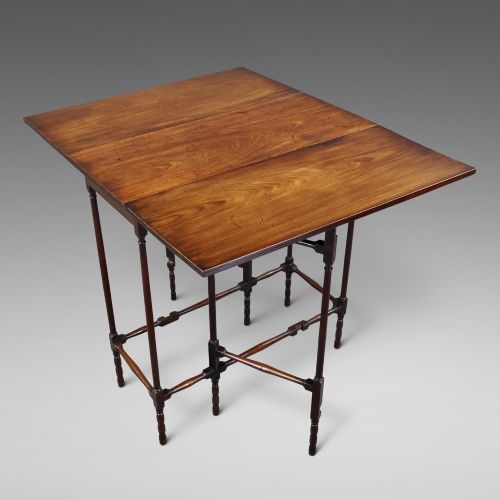
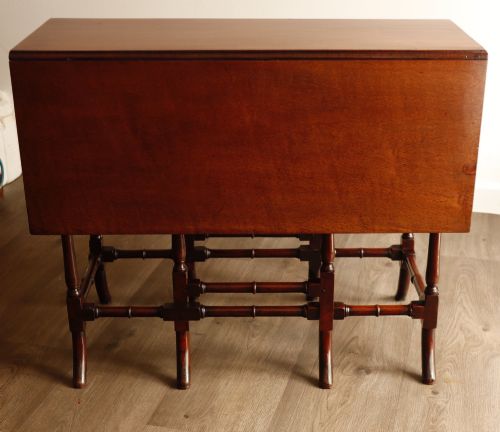
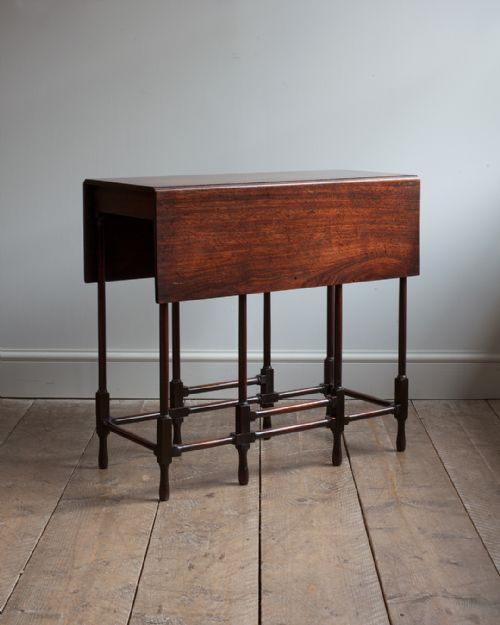
An antique slender leg table most frequently appears in this selection as an eighteenth-century mahogany spider leg table, characterised by exceptionally thin turned supports and gateleg action. These occasional and side tables were designed for versatility, easily folded down and moved beside a chair or against a wall when not in use.
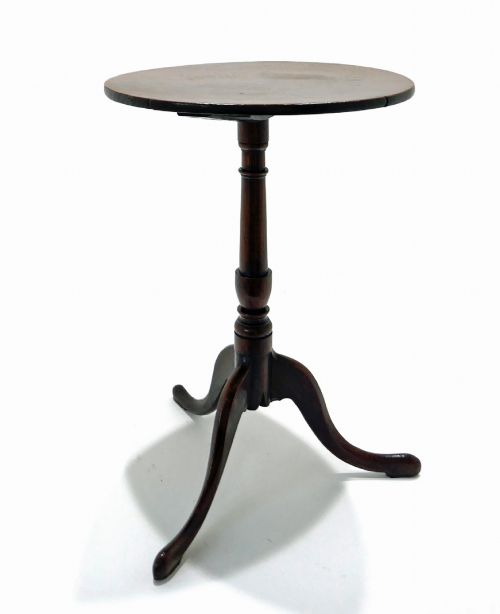
Beyond the classic spider leg forms, the range includes tripod tables with slender columns, Sheraton period chinoiserie side tables with lacquer and gold leaf, and later console tables from the nineteen-twenties. Such pieces span the Georgian and George III eras up to the twentieth century, uniting light construction with sturdy timber.
Buyers seeking an antique slender leg table will find that mahogany dominates the selection, occasionally joined by early oak, satinwood, and ebonised hardwood. These tables served primarily as tea tables or small occasional surfaces in principal rooms, prized for taking up minimal visual and physical space.
Materials and construction
Cabinetmakers relied heavily on dense, rich mahogany to achieve the extreme thinness of the legs without sacrificing structural integrity, often incorporating drop flaps and delicate brass hinges. The turning lathe was essential for producing the fine, columnar spider legs and slender central pillars found on tripod variations.
More decorative examples utilise lacquer, gold leaf, and exotic woods like satinwood to create polished surface finishes typical of the Sheraton style. Joinery was executed by hand, balancing the lightness of the underframe with stable table tops designed to support light domestic objects.
Antique Slender Leg Table Retail Price Guide 2026
Typical asking prices for slender leg table among the pieces listed under this phrase on Sellingantiques today, from the lower quarter to the upper quarter. They describe what is for sale here now, not the wider market.
These tables are so named because their web of spindly turned wooden legs resembles the delicate, countless limbs of an industrious spider.
Judging quality and character
Quality in these tables rests primarily on the crispness of the turning and the proportional harmony between the remarkably thin legs and the top. Finer examples display precise joinery in the gateleg mechanism and retain a rich, untouched timber patina developed over centuries of use.
The choice of secondary materials also distinguishes the range, moving from simple oak tripod frames to sophisticated mahogany spider tables and elaborately decorated Chinoiserie side tables. Pieces retaining original surface treatments and undamaged delicate turnings occupy the upper tier of craftsmanship.
The Antique Slender Leg Table Glossary
- Spider leg table
- A small drop-leaf table with exceptionally thin turned legs connected by fine stretchers. This design allows the leaves to fold down neatly into a narrow profile.
- Tripod table
- A small freestanding table supported by a single slender central column resting on three feet. This form became popular during the eighteenth century for serving tea or displaying objects.
- Drop leaf
- A table top featuring movable side flaps supported by hinged legs or swinging brackets. It permits the surface area to be reduced when space is at a premium.
- Chinoiserie
- European decorative art reflecting Chinese artistic styles, typically featuring painted lacquer and gold leaf. It appeared on high-status side tables during the late eighteenth century.
- Console table
- A table designed to be fixed against a wall, frequently supported by front legs with the rear secured to the architecture. Later twentieth-century interpretations also appear in this format.
Antique Slender Leg Table: Frequently Asked Questions
How were slender leg tables used originally?
These tables served primarily as versatile furniture for entertaining and daily parlour use during the Georgian period. Their drop-leaf mechanism meant they could be folded flat and tucked against a wall when not needed for tea or reading.
Because they were lightweight and portable, servants could easily reposition them around a room depending on where guests were seated. This practicality made them a staple of refined eighteenth-century interior arrangements.
How do I date an antique slender leg table?
Dating relies on examining the timber species, construction methods, and stylistic cues such as turning profiles and hardware. Eighteenth-century pieces typically feature dense mahogany, hand-turned spider legs, and pegged joinery that differs from later manufacturing.
Later nineteenth-century and nineteen-twenties revivals adopt similar forms but often display different timber preparation and machine assistance in the turning. Comparing the patina and structural wear helps confirm the age of the piece.
Where should I place one in my home?
An antique slender leg table works exceptionally well in narrow hallways, beside sofas, or as a bedside surface where floor space is limited. Their delicate visual weight prevents them from crowding small rooms.
Avoid placing them in areas of high humidity or direct sunlight to protect the aged mahogany and delicate decorative finishes like gold leaf. Their modest proportions make them easy to integrate into both traditional and contemporary interiors.