


Antique Sketch Study
When you search for an antique sketch study, you encounter foundational works on paper that reveal the direct hand of the artist before a finished canvas.
Antique Sketch Study
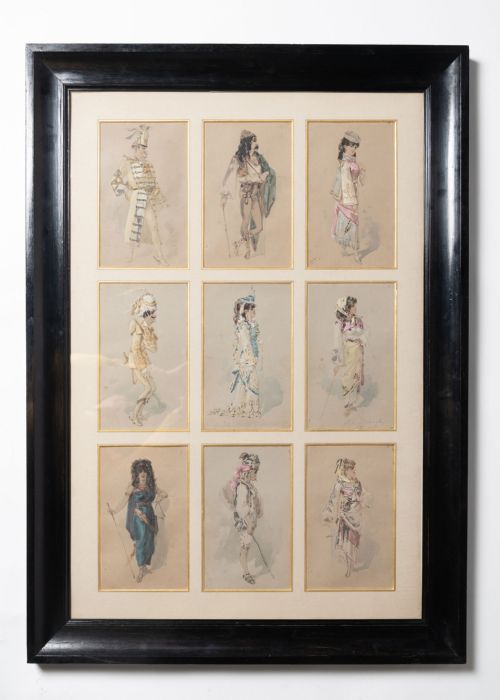
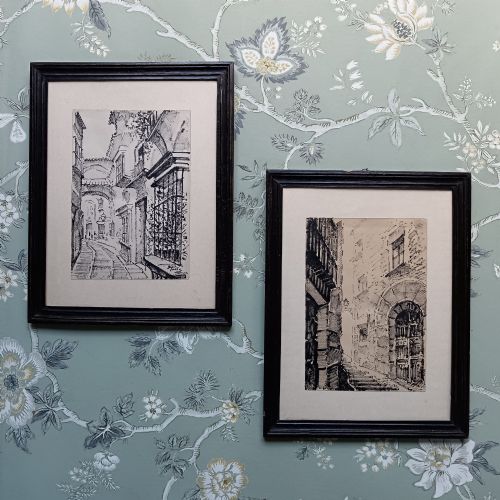
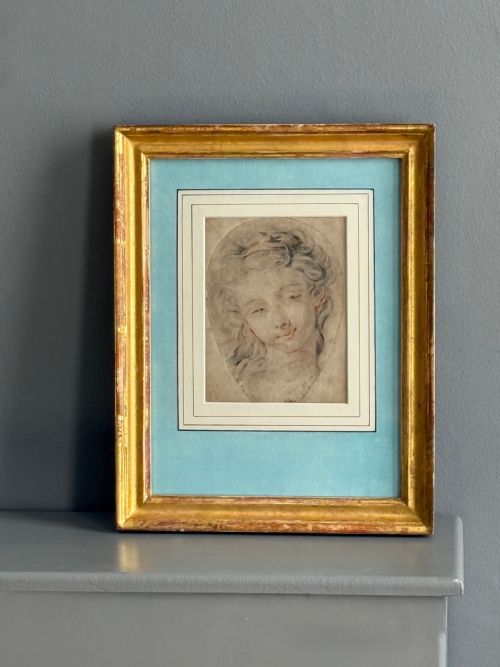
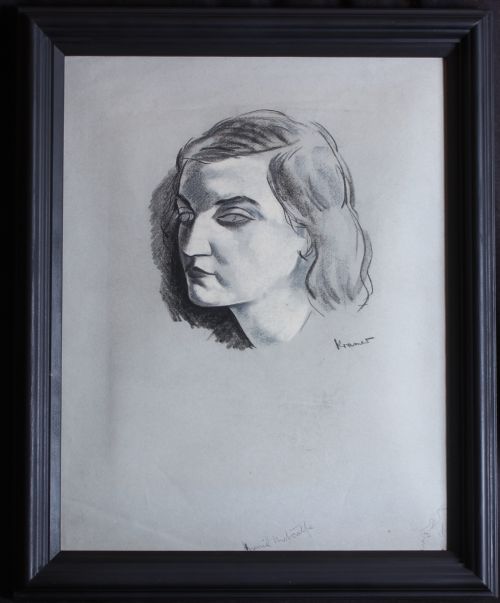
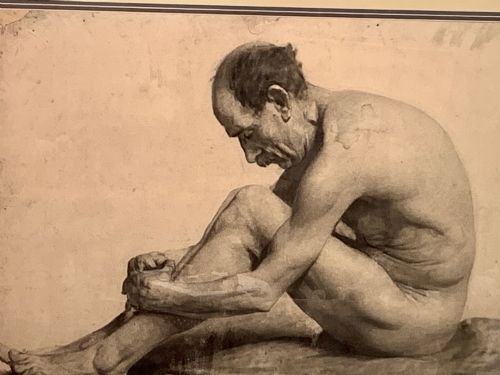
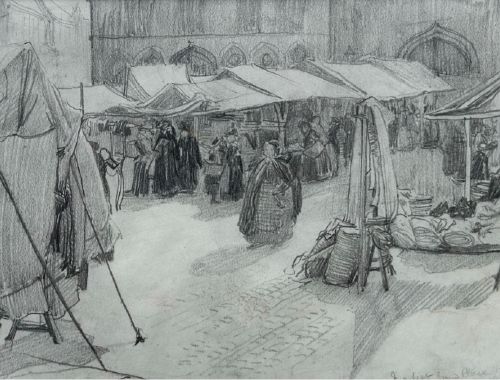
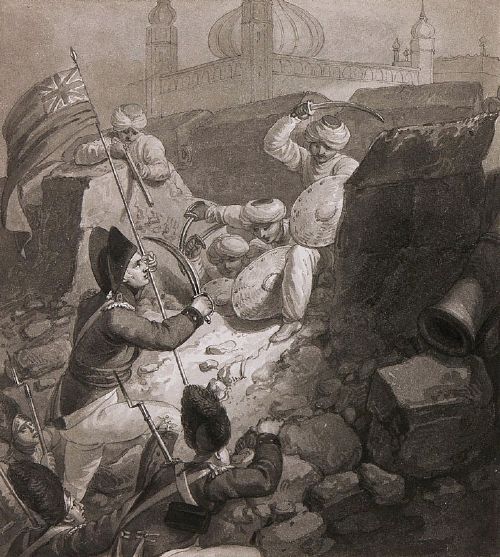
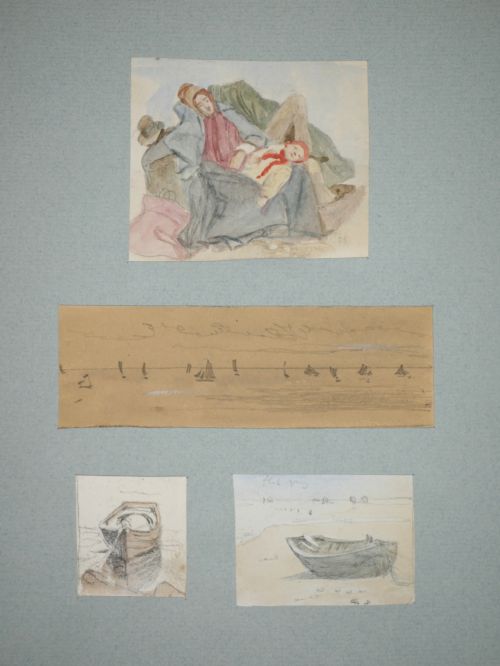
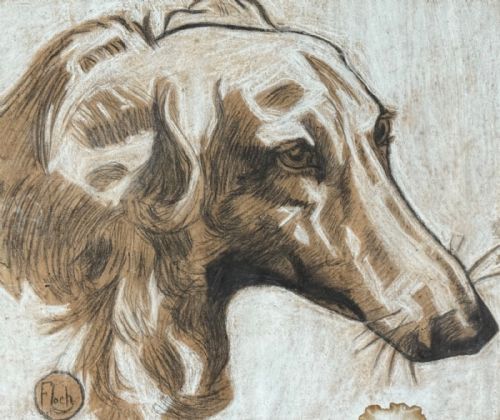
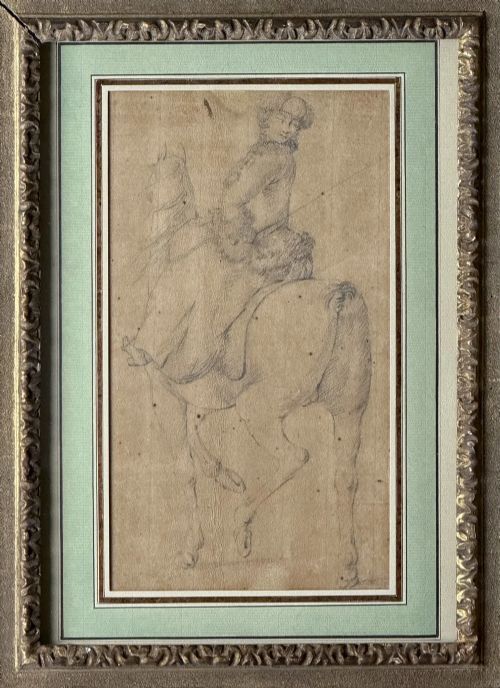
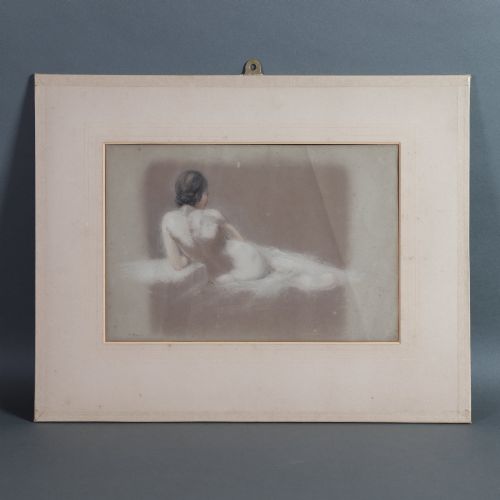
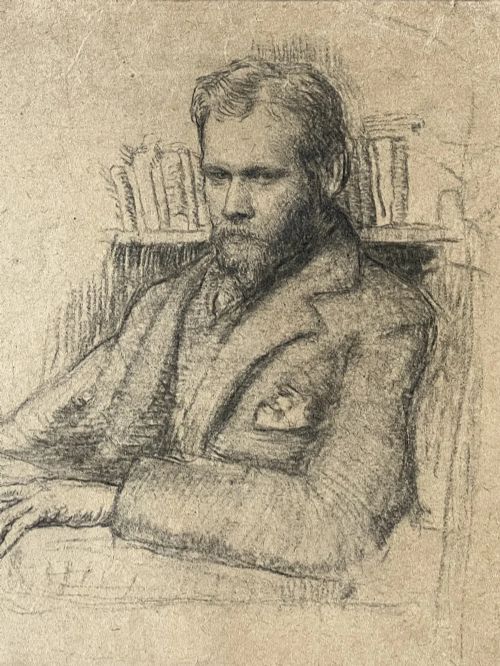
An antique sketch study captures preliminary artistic thought, ranging from academic life drawings of male nudes to rapid landscape observations and portrait drafts. Buyers frequently find nineteenth-century academic works and eighteenth-century figural pieces executed on paper.
These works function as intimate records of draughtsmanship, preserving the preparatory stages of compositions through graphite, chalk, and ink. The selection spans distinct historical periods, including Georgian, Victorian, and early twentieth-century expressions.
Materials and technique
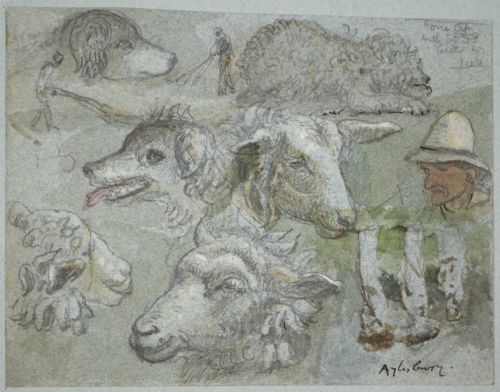
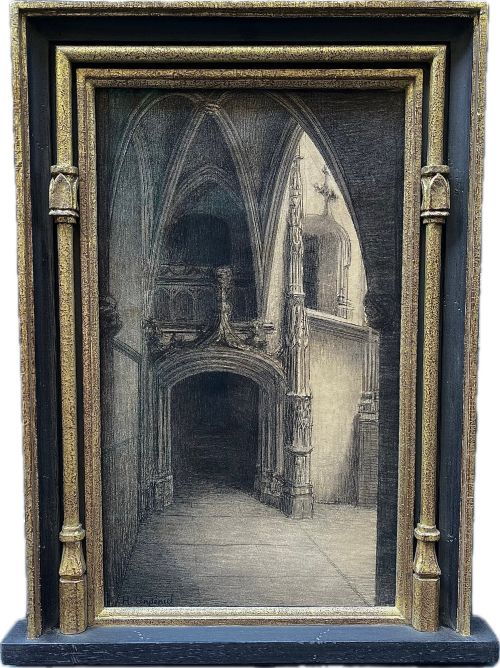
Artists relied primarily on paper supports, applying mediums such as graphite, charcoal, red chalk, pen and ink, and gouache. Many pieces employ mixed media or watercolour washes to build tone and depth quickly.
Draftsmen utilised hatching, wash, and tonal blending directly on the sheet to capture light and form without the extensive layering required for oil paintings.
Antique Sketch Study Retail Price Guide 2026
Typical asking prices for sketch study among the pieces listed under this phrase on Sellingantiques today, from the lower quarter to the upper quarter. They describe what is for sale here now, not the wider market.
The listings feature works spanning from the seventeenth century through to the 1930s, executed in graphite, charcoal, chalk, and watercolour.
Elements of quality
Quality rests upon the sureness of the line, the accuracy of anatomical or spatial proportion, and the expressive vigour captured in the marks. Stronger examples demonstrate confident draughtsmanship that conveys movement and structure with minimal intervention.
The sophistication of the composition and the preservation of the paper support further separate standard academic exercises from master-level preparatory sheets.
Francois Boucher·James Smetham·William Etty·William Marshall Craig·Augustus John·Alfred Wolmark·Herbert Johnson Harvey·Ludwig van Beethoven·Sir Thomas Lawrence·Henry Arthur Roberts·Sir Edwin Landseer·Demetrios Galanis
The Antique Sketch Study Glossary
- Recto and verso
- The front and back sides of a single sheet of paper, which both carry independent drawings in certain historic examples.
- Academic life study
- A detailed drawing of a human model, usually nude, produced within a structured art school training environment to master anatomy.
- Wash
- A thin, transparent layer of diluted ink, watercolour, or paint applied with a brush to create tonal shadow and depth.
- Deux crayon
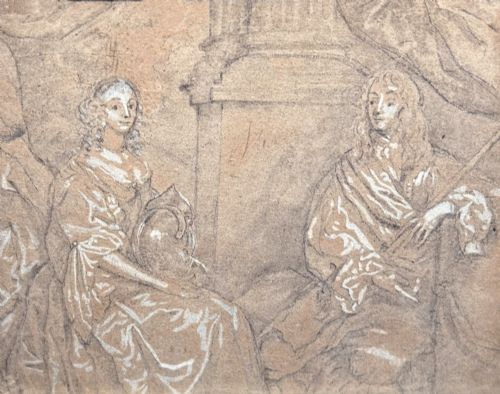
- A drawing technique using two different coloured chalks, typically black and red, on tinted paper to model highlights and shadows.
Antique Sketch Study: Frequently Asked Questions
What is an antique sketch study?
These works are preparatory or observational drawings on paper created by artists to explore composition, anatomy, or light before undertaking larger paintings.
They offer direct insight into the creative process, showcasing spontaneous lines and corrections that finished studio paintings often conceal.
How were these drawings used?
Artists utilised them as training exercises in academies, recording sessions from life, or quick notes for commissioned canvases and historical scenes.
Many sheets served as reference material kept in studio portfolios rather than intended for immediate public exhibition.
How should I frame and display them?
Paper drawings require UV-protective glass and acid-free mounting materials to prevent fading and discolouration from natural light over time.
Keep them away from direct sunlight and damp environments to preserve the integrity of the charcoal, chalk, or watercolour mediums.
How do I identify the period?
Dating relies on the watermark of the paper, the specific academic clothing styles, the framing techniques, and the characteristic handling of mediums like red chalk or sepia wash.
Comparing the hand to documented works of British, French, or Italian schools from the eighteenth and nineteenth centuries provides further context.