


Antique Sketch Painting
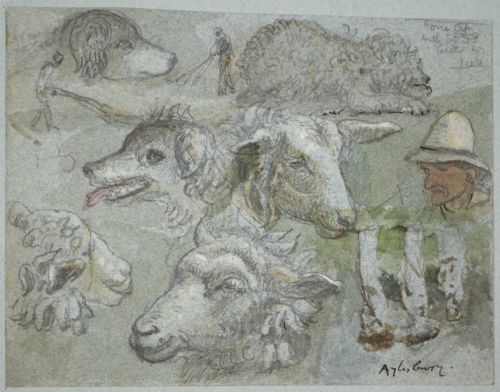
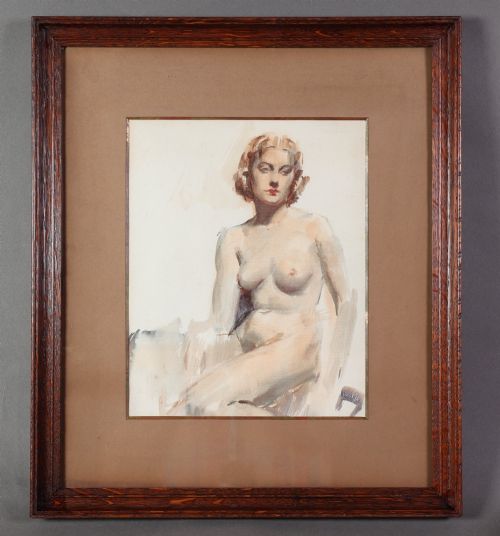
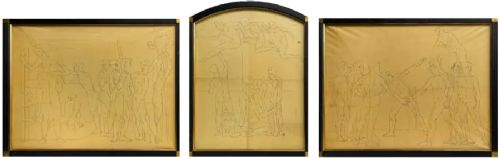
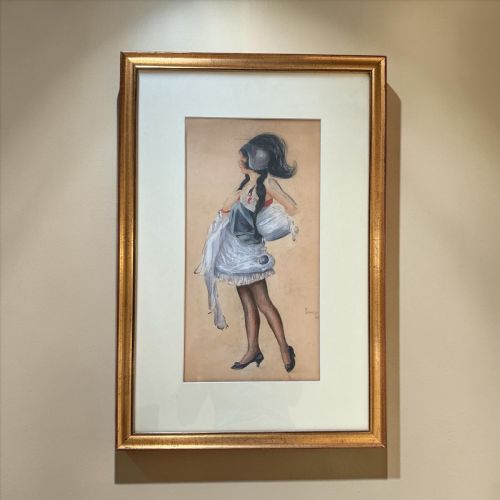
An antique sketch painting captures the immediate, fluent hand of an artist working on paper before the final canvas.
Antique Sketch Painting
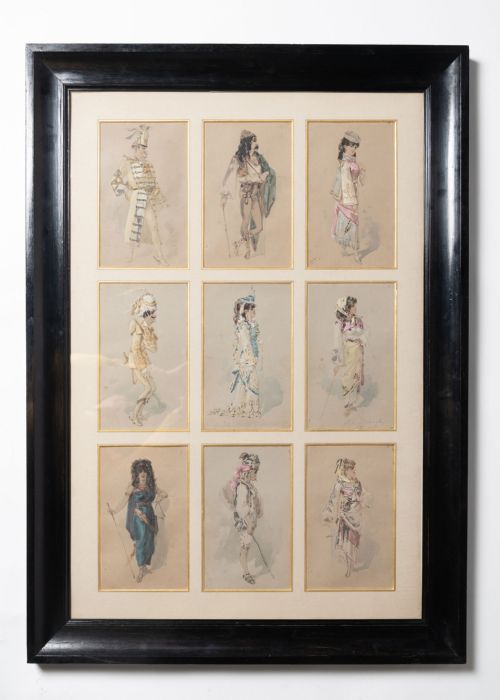
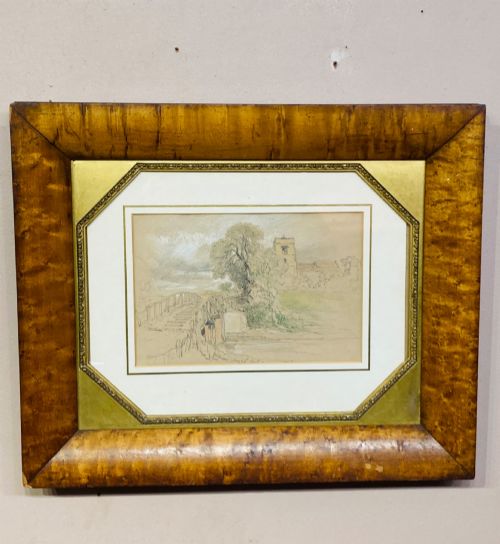
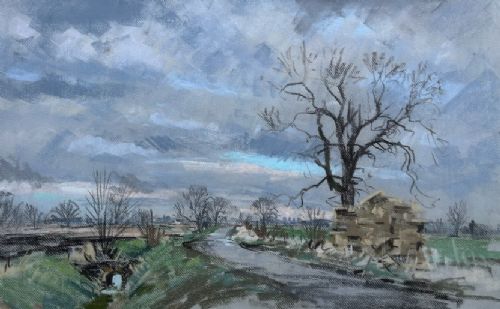
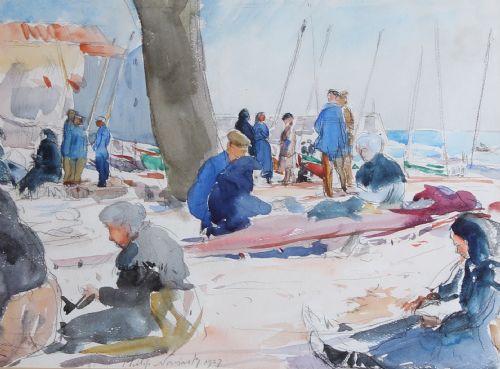
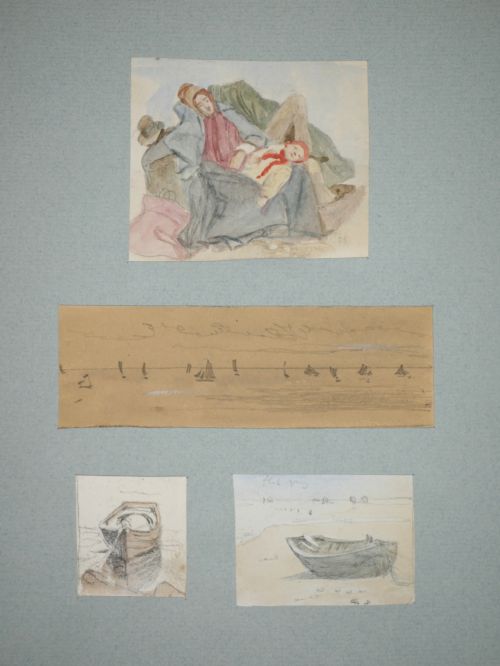
When you search for an antique sketch painting, you encounter works on paper executed in mediums like watercolour, ink, charcoal, and pastel. The pieces span from the Georgian and Victorian eras through the early twentieth century, taking the form of framed artwork, drawings, and preliminary studies.
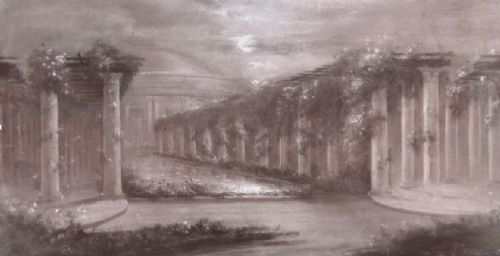
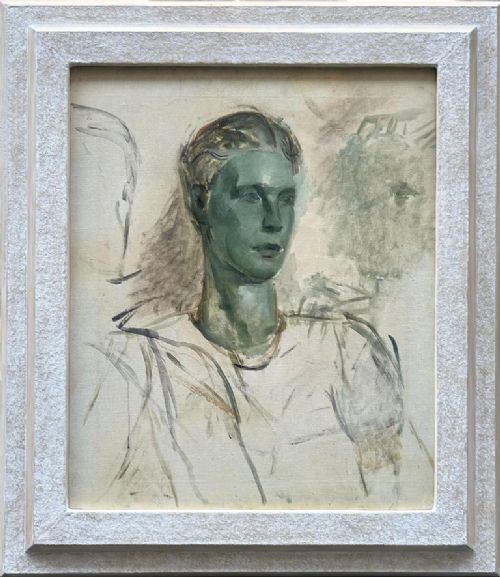
You are most likely to meet portraits, landscapes, and architectural views originating from British and European schools. These range from quick compositional drafts to finished portraiture bearing the distinct touch of named artists and anonymous hands alike.
Materials and technique
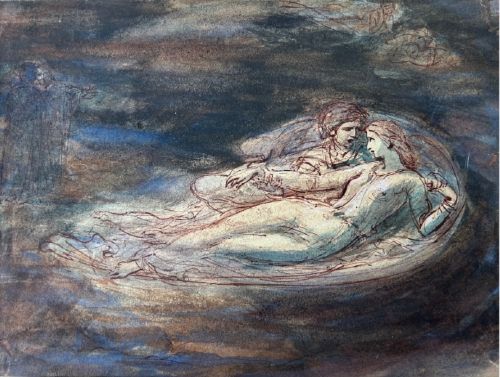
These works rely fundamentally on paper supports, upon which artists applied watercolours, fluid inks, heavy charcoal, or soft pastels. Gouache was frequently introduced to provide opaque highlights, while wash techniques added depth to monochrome ink lines.
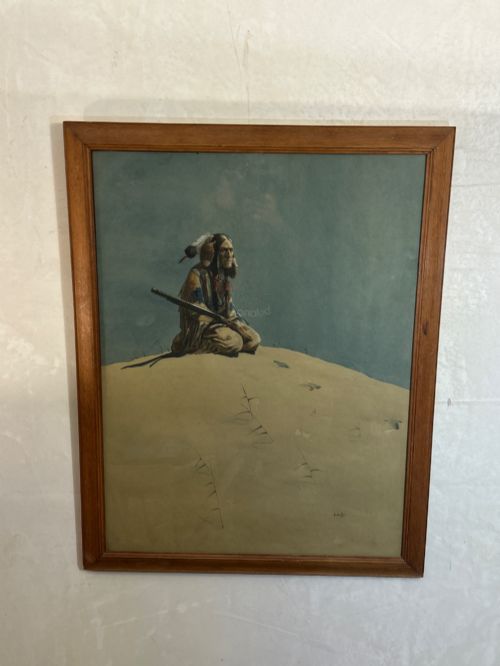
Framing typically involves period wood surrounds, occasionally gilded, protecting delicate surfaces behind glass. The combination of fugitive pigments and paper requires careful preservation to maintain the integrity of the drawn line.
Antique Sketch Painting Retail Price Guide 2026
Typical asking prices for sketch painting among the pieces listed under this phrase on Sellingantiques today, from the lower quarter to the upper quarter. They describe what is for sale here now, not the wider market.
Several wartime sketches preserve the stern likenesses of British army officers alongside the quiet domestic gaze of a young girl with her pet hummingbird.
Assessing quality
The distinction between ordinary exercises and superior works lies in the confidence and economy of the draughtsmanship. A master hand conveys form, light, and gesture with minimal strokes, whereas lesser works appear laboured and tentative.
Condition and preservation heavily influence the standing of a piece, particularly the absence of foxing on the paper and the retention of original pigment vibrancy. The strength of provenance, connecting a sheet directly to a known hand or documented sketchbook, elevates the piece further.
James Smetham·John Hassall·Alfred Wolmark·Princess Alice Maud Mary·Edward Dayes·Hercules Brabazon Brabazon·Pio Panfili
The Antique Sketch Painting Glossary
- Watercolour
- A paint consisting of a pigment suspended in a water-soluble vehicle. It is typically applied to paper in transparent washes to create luminous effects.
- Gouache
- An opaque method of watercolour painting where white pigment is added to create a heavier, solid finish. It allows artists to introduce bright highlights over darker washes.
- Wash
- A thin, transparent layer of diluted ink or watercolour applied across paper. It establishes smooth background tones and atmospheric depth.
- Pastel
- A dry medium composed of powdered pigment and a binder, formed into sticks. It produces velvety, deeply coloured surfaces that require protection under glass.
- Foxing
- The yellowish-brown spots that appear on old paper over time due to chemical reactions. It is a common occurrence in antique works on paper.
Antique Sketch Painting: Frequently Asked Questions
What is an antique sketch painting?
An antique sketch painting is an original, hand-drawn or painted work on paper dating from the nineteenth or early twentieth century. These pieces often record rapid observations, preparatory studies for larger works, or finished portraits and landscapes.
Unlike printed reproductions, each sketch is unique, bearing the direct marks of the artist's hand and tools. They offer intimate insight into the creative processes of past artists without the formal constraints of exhibition canvases.
How should I frame and hang them?
Works on paper require careful framing behind glass with acid-free mounts to prevent direct contact with the glazing. This protects the delicate pigments and paper fibres from atmospheric moisture and physical damage.
Display these pieces away from direct sunlight, as UV rays cause watercolours and pastels to fade permanently. Stable indoor temperatures will ensure the paper does not warp or develop foxing over time.
How do I tell periods apart?
Stylistic clues and framing materials help distinguish between eras, such as the heavy ornamentation of Victorian frames versus the cleaner lines of later periods. Subject matter also provides context, with Georgian works often showing topographical landscapes and Victorian pieces leaning toward narrative or Pre-Raphaelite themes.
Examining the paper type, watermarks, and any inscriptions on the reverse can further anchor a piece to a specific decade. Costume and hairstyle depicted in portrait sketches serve as reliable chronological indicators.
Were these meant to be finished art?
Many sketches were created purely as private studies, compositional blueprints, or diary entries in visual form by artists. However, numerous examples were executed as finished cabinet pictures intended specifically for framing and display.
Collectors often prize the spontaneous nature of preliminary sketches over rigid finished paintings because they capture the raw energy of the creator's initial thought.