

Antique Sketch Artwork
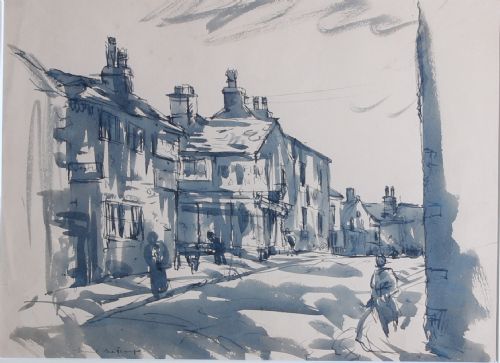
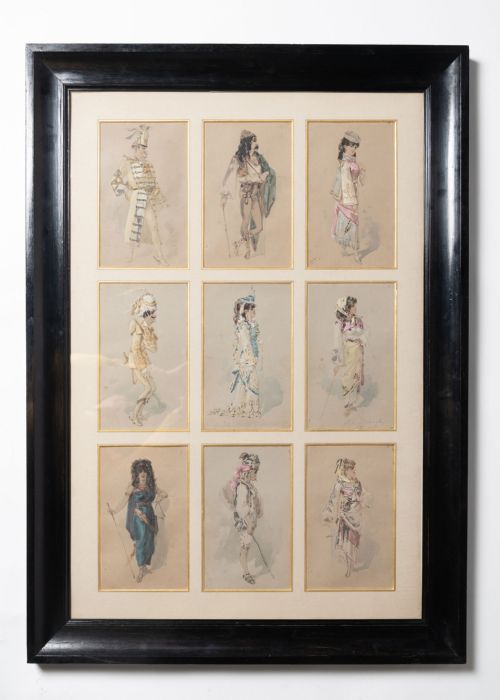
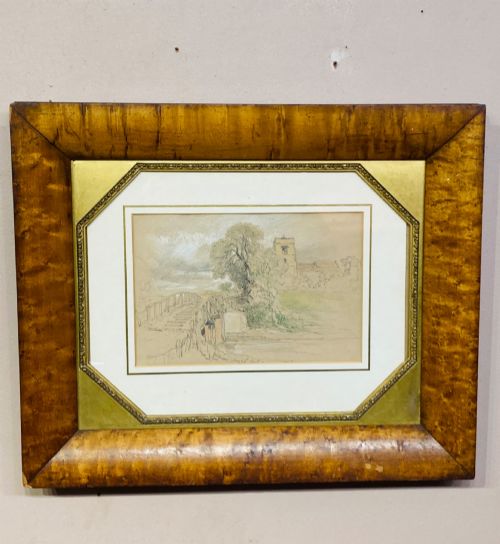
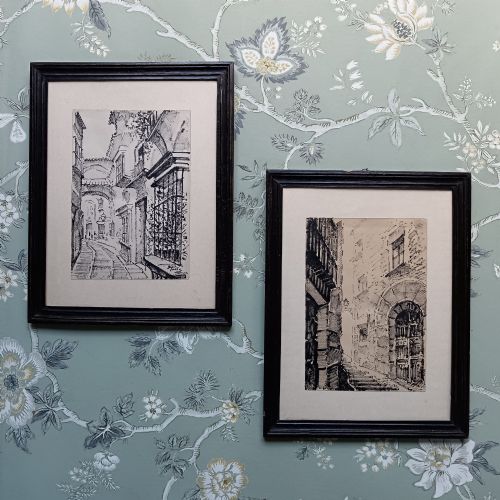
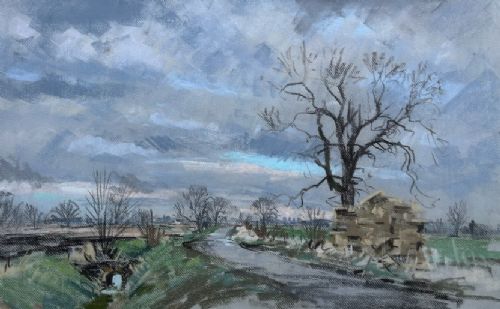
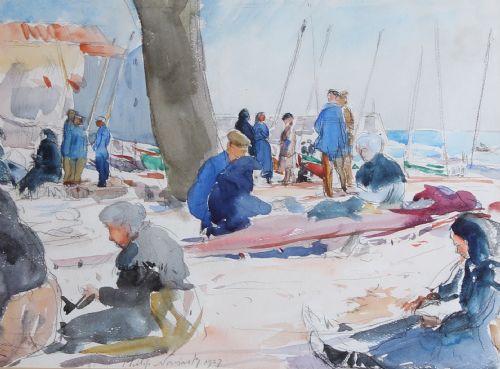
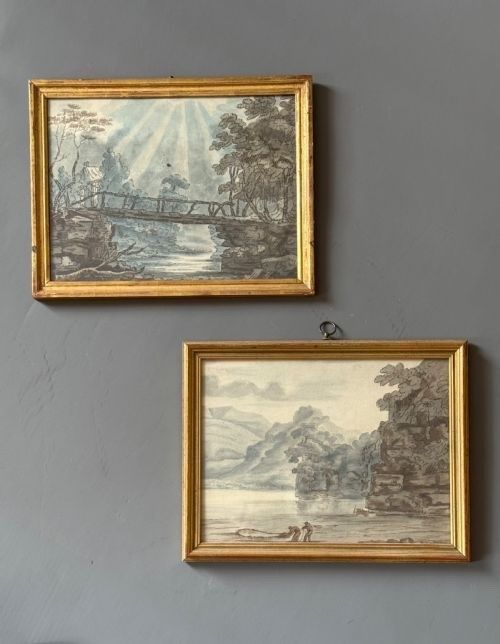
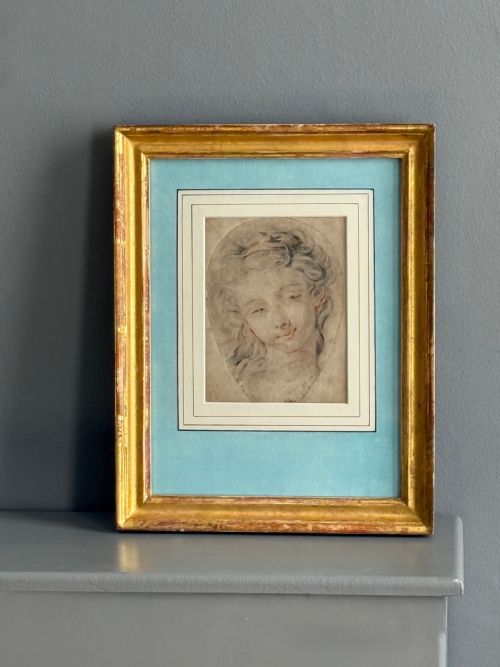
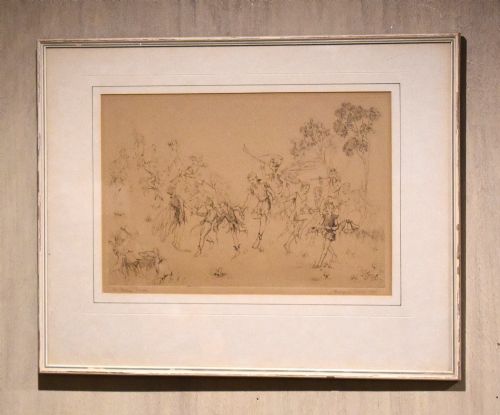
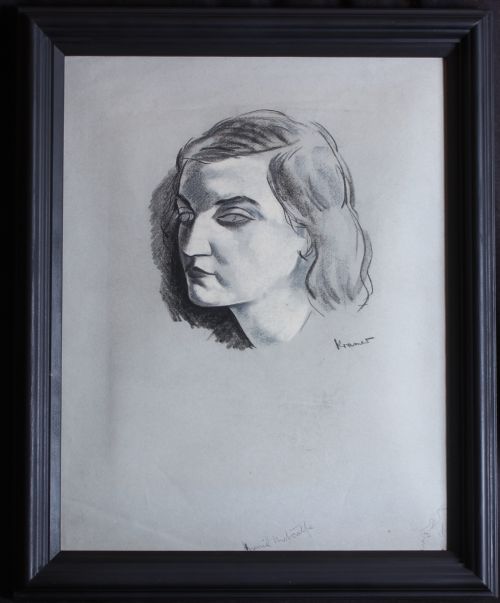
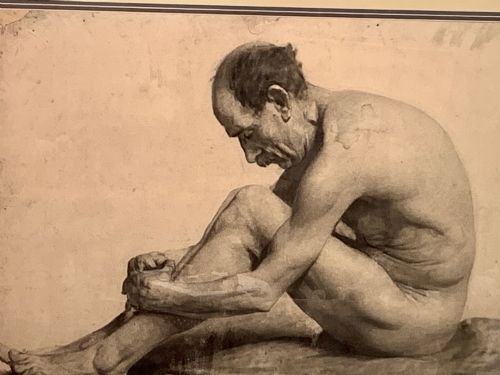
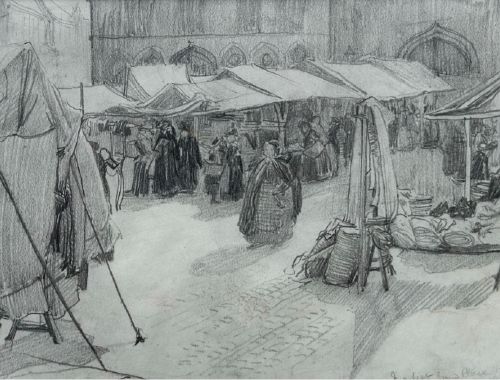
These antique sketch artwork selections offer immediate glimpses into the working hand of past draughtsmen, capturing intimate figures, landscapes, and studies on paper.
Antique Sketch Artwork
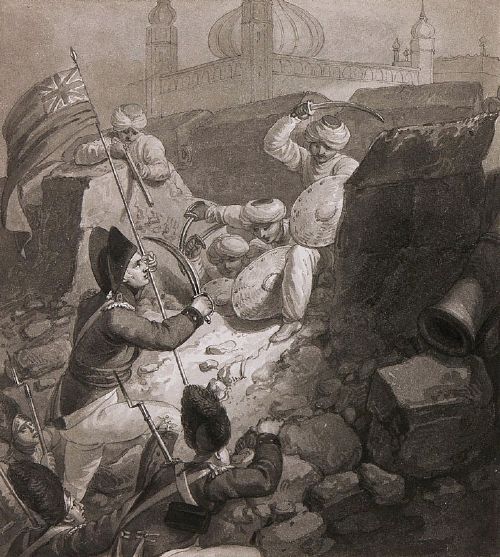
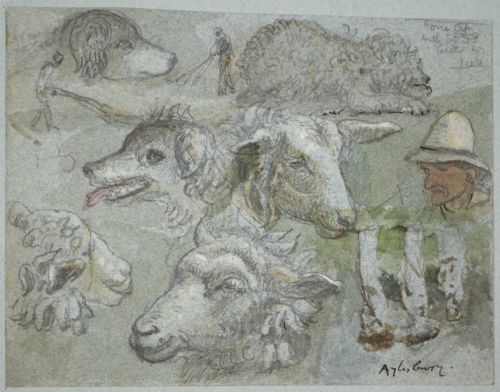
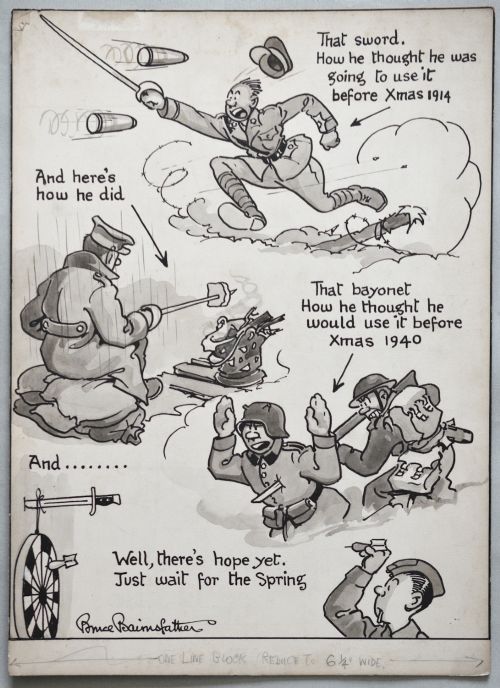
When you search for antique sketch artwork, you encounter works on paper executed in mediums like graphite, ink, charcoal, and watercolour. These range from rapid landscape studies and classical academic figures to detailed portrait drawings and preparatory sketches for larger paintings.
The selections span several centuries, with particular strength in eighteenth and nineteenth-century examples alongside early twentieth-century pieces. You meet British and European schools, featuring both signed autograph sheets by known hands and anonymous exercises from various regional traditions.
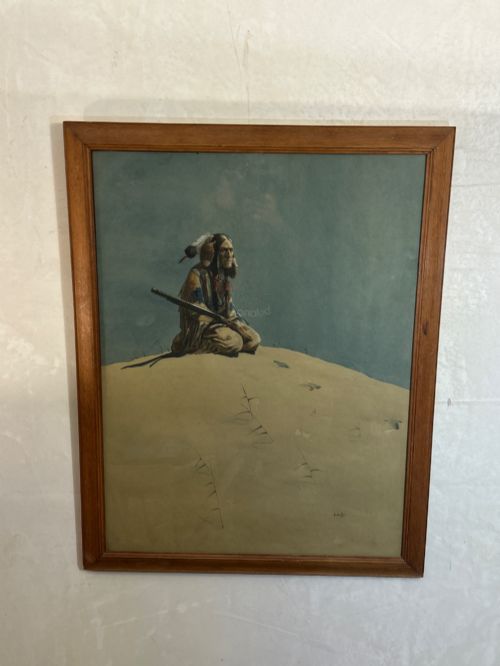
Most items arrive framed behind glass, preserving delicate paper surfaces and friable mediums like pastel or charcoal. The formats vary from small notebook leaves to large framed academy drawings executed on buff or white paper.
How they were made
Draughtsmen utilised graphite, charcoal, and pen and ink directly on paper, often building tone through hatching and wash. Many sheets combine materials, layering watercolour or gouache over pencil outlines to add colour and depth.
Supports consist primarily of various paper stocks, occasionally including tinted or buff papers that allowed artists to deploy white gouache for highlights. Fixatives were sometimes applied to stabilise soft mediums, though handling remains evident in the texture of the surface.
Antique Sketch Artwork Retail Price Guide 2026
Typical asking prices for sketch artwork among the pieces listed under this phrase on Sellingantiques today, from the lower quarter to the upper quarter. They describe what is for sale here now, not the wider market.
Listings feature works on paper spanning the eighteenth, nineteenth, and early twentieth centuries, executed in graphite, ink, charcoal, and watercolour.
What varies in quality
Quality rests upon the confidence of the line and the economy of the mark, distinguishing hasty or rigid exercises from assured draughtsmanship. A superior sketch demonstrates anatomical understanding, spatial awareness, and direct observation, whether capturing a hurried landscape or a composed portrait.
The condition of the paper surface and the preservation of the medium dictate desirability. Intact pigment without excessive fading, minimal foxing, and original or sympathetic framing elevate a work from a mere archival fragment to a compelling visual object.
Marjorie L Davies·Francois Boucher·Fred Lawson·Henry Percy Huggill·James Smetham·John Hassall·William Etty·William Marshall Craig·Augustus John·Alfred Wolmark·Henri Charles Angéniol
The Antique Sketch Artwork Glossary
- Graphite
- A form of carbon used as a drawing medium in pencils. It produces grey or black marks that can be smudged for tone.
- Gouache
- An opaque watercolour paint containing a binding agent such as gum, creating solid flat areas of colour with a matte finish.
- Wash
- A thin, transparent layer of diluted ink or watercolour applied with a brush to create tonal shadows and depth.
- Buff paper
- A pale yellowish-brown or tan paper stock often utilised by nineteenth-century artists to enhance white chalk or gouache highlights.
- Academic study
- A rigorous drawing or painting executed following classical art academy rules, frequently focusing on the human figure from life.
Antique Sketch Artwork: Frequently Asked Questions
What is an antique sketch?
An antique sketch is an original, hand-drawn or painted study on paper created by an artist prior to the mid-twentieth century. These works frequently record preliminary ideas, direct observations from nature, or academic figure compositions.
Unlike finished oil paintings, sketches offer direct insight into the spontaneous working methods of past draughtsmen. They range from rapid pencil notations to fully realised watercolours and ink washes.
How should I frame works on paper?
Works on paper require conservation-grade framing behind glass or acrylic to protect them from dust, physical damage, and ultraviolet light. Acid-free window mounts ensure the paper does not touch the glazing directly.
Keeping drawings away from direct sunlight prevents the fading of watercolours, inks, and tinted papers over time. Proper spacing within the frame allows the paper to breathe naturally in changing humidity.
How do I identify the period?
Dating antique sketches relies upon examining the watermark in the paper stock, the framing style, and the characteristic attire or hairstyles of depicted subjects. The handling of the medium and the handwriting on inscriptions also provide reliable chronological clues.
Comparative analysis with dated examples by known schools or regional traditions helps narrow down the decade of creation. Stylistic markers, such as Neoclassical severity or Victorian sentimentality, further indicate the era.
Are all antique drawings signed?
Many historical drawings remain unsigned because they were intended as private studies, academy exercises, or preparatory sheets rather than finished exhibition pieces. Anonymous works frequently originate from regional schools or talented amateur artists.
While a signature by a recorded hand adds biographical context, unsigned sheets are judged purely on their graphic merit, execution quality, and visual presence.