




Antique Skeleton Timepiece
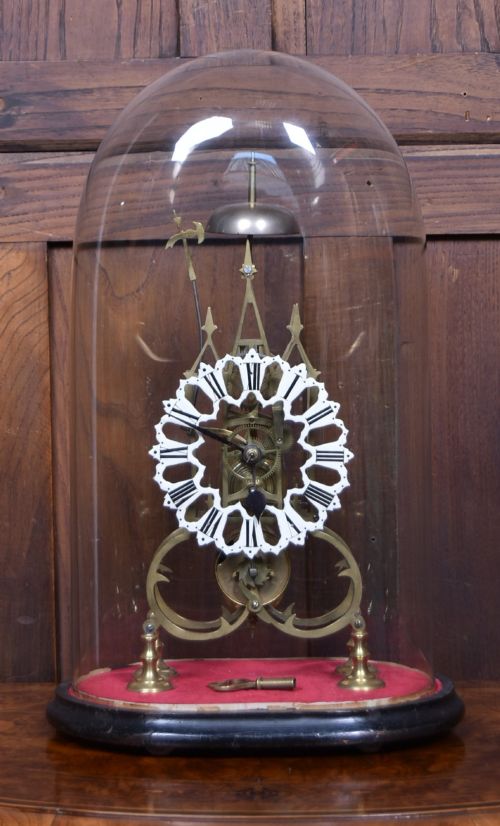
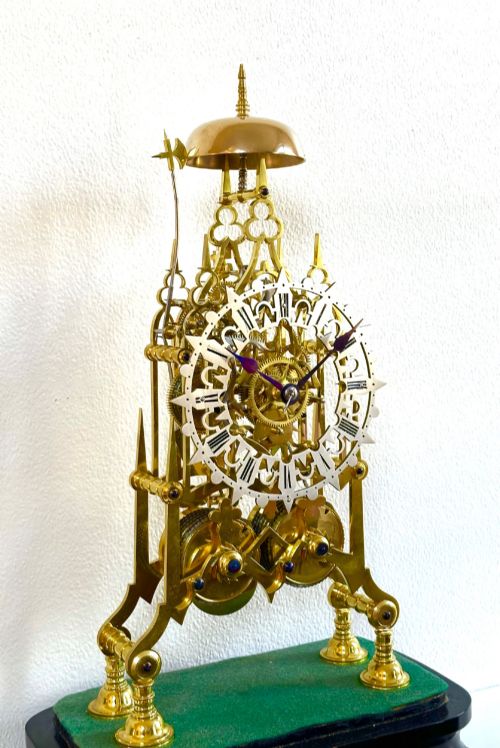
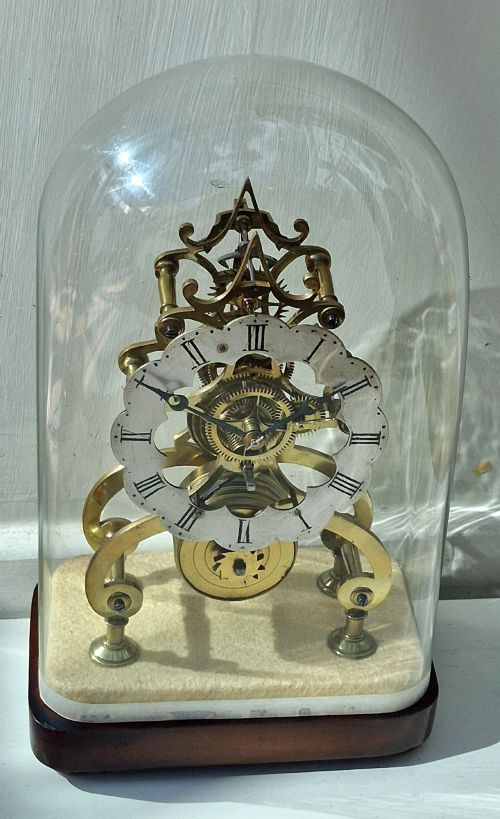
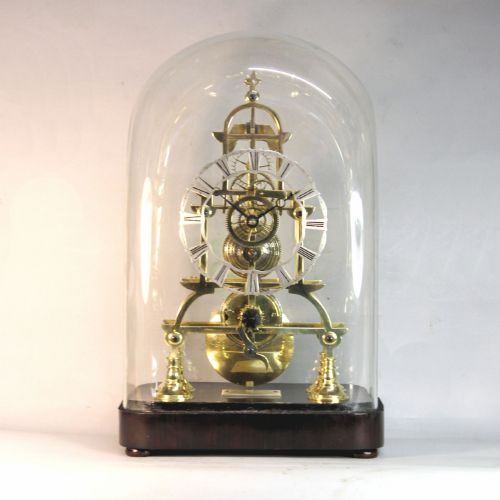
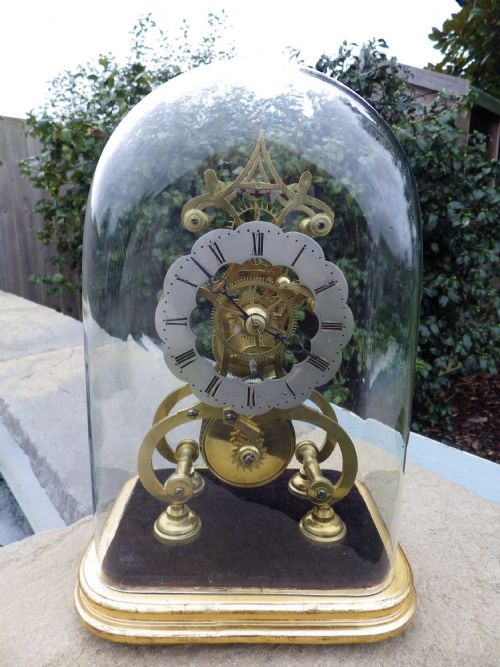
An antique skeleton timepiece strips away the cabinet to expose brass wheels and steel pinions beneath glass.
Antique Skeleton Timepiece
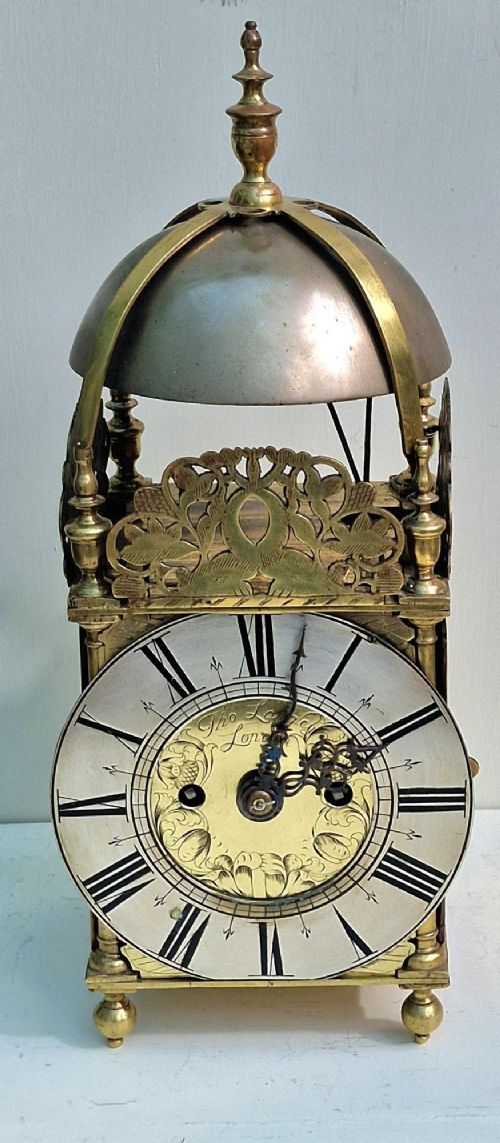
An antique skeleton timepiece reveals the movement and gear trains directly to the eye, stripped of the usual wooden or metal cabinet. The pieces available range from English double fusee examples to French four glass mantel models.
Most entries belong to the Victorian era, spanning decades from 1850 through to the late nineteenth century. Makers housed these mechanisms beneath glass domes to protect the delicate brass work from dust while maintaining visibility from every angle.
Forms vary from miniature Gothic arches to six spoke wheel work and library mantel clocks. A buyer encounters both striking mechanisms and simple timepieces that record the hours without a chime.
Materials and Construction
Brass forms the skeleton frame and wheel work, paired with steel pinions and enamel dials for the numerals. Wood appears in bases made from mahogany or ebonised wood, often supporting heavy marble plinths.
Makers cut the plates into intricate openwork shapes to reduce weight while preserving structural rigidity. Glass domes cover the assembled clockwork, resting neatly upon wooden or marble bases.
Object types span mantel clocks and standard clocks, incorporating styles from Victorian Gothic to Art Deco and French nineteenth century design.
Judging Quality and Execution
Quality rests in the precision of the wheel work and the complexity of the movement, such as double fusee arrangements against simpler gear trains. Fine examples display hand-cut plates and delicate engraving upon the brass components.
The presence of the original glass dome and matching wooden or marble base elevates an example significantly. Finishing touches on the steel and brass, along with clear enamel on the dial, separate ordinary production from superior work.
Thomas Langley·Richard Winter of Chieveley·Maurice Marcel Moulin Favre Bulle
The Antique Skeleton Timepiece Glossary
- Timepiece
- A clock that measures and indicates the passage of time without striking bells or gongs. These mechanisms focus entirely on the gear train and escapement.
- Fusee
- A conical pulley used with a cord or chain to maintain equal force on the clock movement as the mainspring unwinds. This device ensures steady timekeeping right up to the end of the power reserve.
- Four glass clock
- A mantel clock enclosed by glass panels on the front, back and sides to display the internal mechanism. This style became popular in French workshops during the nineteenth century.
- Double fusee
- A movement utilising two separate fusee cones, one to drive the timekeeping train and another to power the striking mechanism. This layout provides consistent power to both functions.
Antique Skeleton Timepiece: Frequently Asked Questions
What is an antique skeleton timepiece?
An antique skeleton timepiece is a clock designed with an open brass frame that exposes the gear wheels, escapement and springs. Removing the traditional wooden case allows the internal mechanics to remain visible from all sides.
Most surviving examples date from the Victorian period and sit beneath glass domes to protect the delicate metalwork. They range from simple timepieces to complex movements featuring passing strikes or pull alarms.
How do you wind a skeleton clock?
Winding requires a matching key inserted into the winding square on the dial or front plate to tension the mainspring. Care must be taken not to overwind the mechanism, stopping as soon as resistance is felt.
Because the movement is completely exposed, keeping fingers clear of the spinning wheel work during handling is essential. Many models utilise a fusee chain that transfers power from the spring barrel to the gear train.
Why are glass domes important for these clocks?
Glass domes protect exposed brass and steel components from airborne dust, moisture and accidental knocks. Fine mechanisms require clean environments to prevent grit from gumming up the delicate gear teeth.
Original domes add considerable authenticity to a piece, having survived decades alongside the clockwork. They lift off carefully to grant access for setting the hands and winding the springs.