



Antique Silverplated Dish
An antique silverplated dish brings functional elegance to the table, offering the brilliant sheen of silver without the heavier upkeep.
Antique Silverplated Dish
When you search for an antique silverplated dish, you encounter a diverse array of serveware spanning the Victorian, Edwardian, Art Nouveau, and Art Deco periods. The selection encompasses everyday items like bowls, baskets, and dessert dishes alongside specialised pieces such as asparagus dishes, egg warmers, and revolving breakfast dishes.
Materials and methods of manufacture
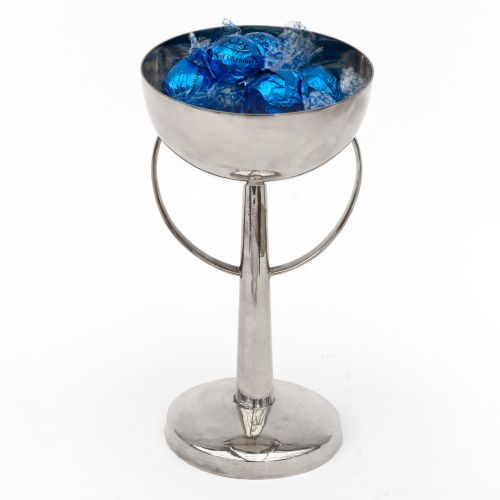
Maker workshops utilised base metals like nickel silver as a sturdy foundation for electroplating, applying a thin layer of silver to achieve a bright finish. Glass inserts were frequently combined with metal frames to create bowls, centrepieces, and swing-handled baskets.
Extending stands, revolving mechanisms, and figural mounts required precise mechanical assembly by skilled metalworkers. These construction techniques allowed utilitarian serveware to double as decorative centrepieces.
Antique Silverplated Dish Retail Price Guide 2026
Typical asking prices for silverplated dish among the pieces listed under this phrase on Sellingantiques today, from the lower quarter to the upper quarter. They describe what is for sale here now, not the wider market.
Listings span the nineteenth century through the 1930s, featuring materials such as glass, silver plate, and electroplated nickel silver.
Distinctions in quality
The standard of a piece depends on the crispness of its chasing, the weight of the underlying metal, and the smoothness of any mechanical actions like revolving lids or extending stands. Maker attribution also plays a role, with established firms applying heavier plating and more refined decorative details.
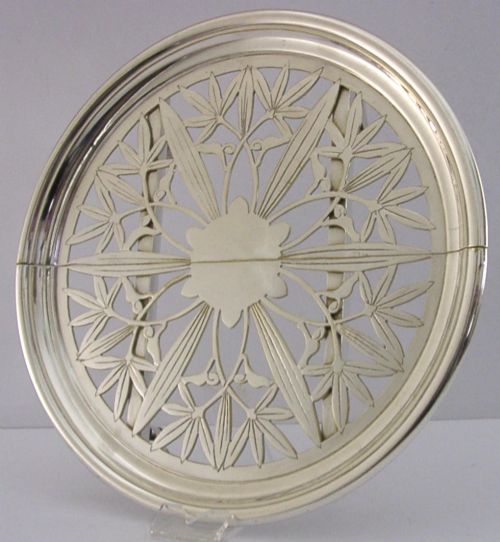
Simpler vessels rely on plain surfaces and modest borders, whereas superior examples incorporate complex Art Nouveau floral motifs, figural elements, or substantial pedestal mounts that demand greater craftsmanship.
Mappin and Webb·WMF·William Hutton and Sons·James Deakin·William Padley·Christofle
The Antique Silverplated Dish Glossary
- EPNS
- Electroplated Nickel Silver. This acronym indicates a base metal of nickel alloy coated with a layer of pure silver through an electrical process.
- Centrepiece
- A large decorative vessel or stand placed in the middle of a dining table. These items often feature elaborate pedestals or baskets designed to hold fruit or floral arrangements.
- Tureen
- A deep covered bowl used for serving soups, stews, or boiled dishes. They frequently appear with matching stands or warmers.
- Meat Dome
- A large domed cover designed to keep roasted joints warm on the dining table. These substantial pieces often feature engraved decoration and sturdy handles.
Antique Silverplated Dish: Frequently Asked Questions
How do I clean an antique silverplated dish?
Wash the item gently in warm water using a mild, non-abrasive liquid soap and a soft cloth. Dry it thoroughly immediately afterwards to prevent water spots.
Avoid harsh chemical dips or abrasive metal polishes that can wear away the thin silver layer over time. Regular gentle dusting preserves the underlying plate.
Can I use these dishes for serving food?
Most pieces remain entirely suitable for serving dry foods, fruits, or breads at the table. For items intended to hold wet or acidic foods, verify the interior condition first.
Ensure any glass liners are clean and secure before placing food items into plated metal stands. Hand washing is essential after every use.
What is the difference between silver plate and solid silver?
Silver plate consists of a base metal, such as nickel silver or copper, coated with a thin layer of pure silver. Solid silver items are made uniformly of precious silver alloy throughout.
Plated pieces offer the bright appearance of silver at a different weight and construction standard. Maker marks often help distinguish between the two methods.
How do I identify the period of a dish?
Examine the decorative motifs, such as flowing organic lines for Art Nouveau or geometric patterns for Art Deco. Maker marks and registration numbers stamped on the base also provide clues to the decade of manufacture.
Stylistic cues like heavy Victorian chasing or sleek Edwardian profiles help narrow down the production era.