

Antique Silvered Table Lamp
When you search for an antique silvered table lamp, you are looking for lighting pieces that bring period illumination and reflective metal surfaces to a room.
Antique Silvered Table Lamp
An antique silvered table lamp encompasses various lighting forms designed for interior use, originating predominantly from the Victorian, Edwardian, and Art Deco periods. These pieces include column lamps, desk lamps, and converted oil lamps that utilise silver plate, sterling silver, or nickel plating.
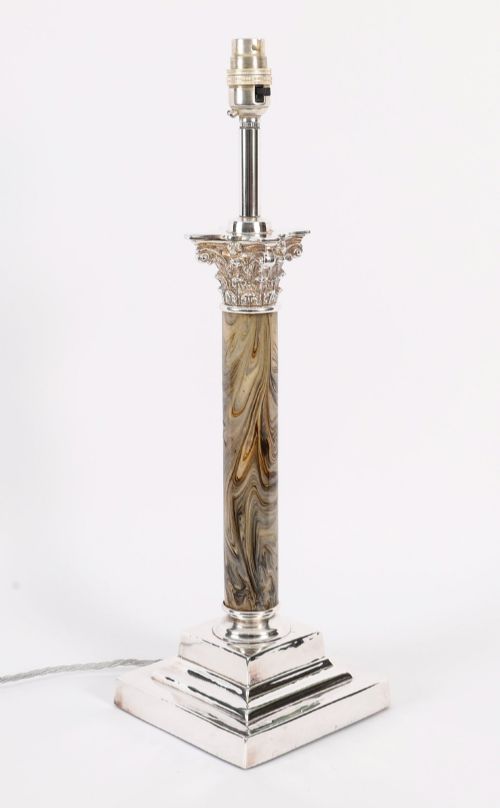
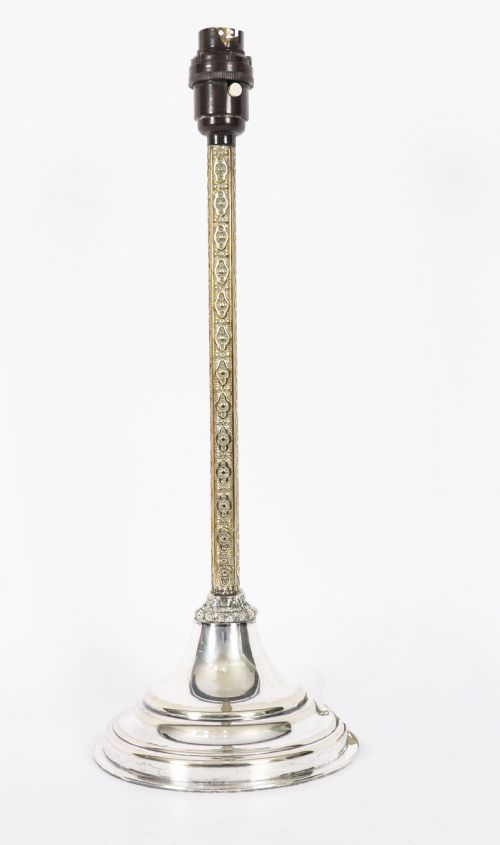
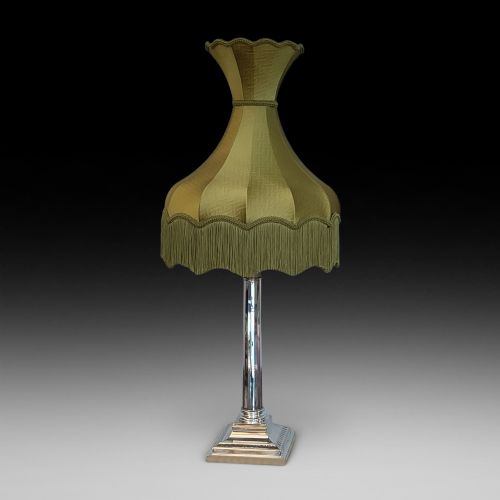
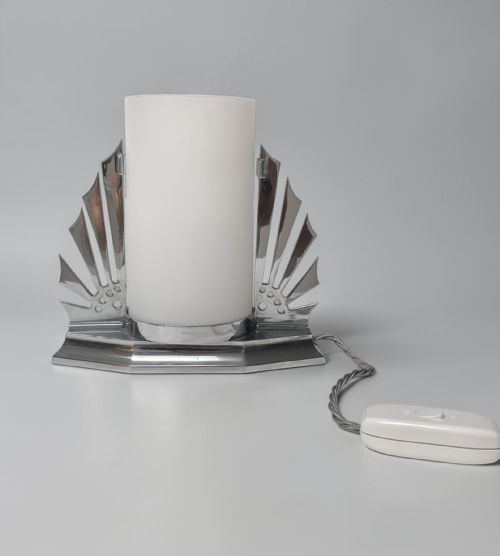
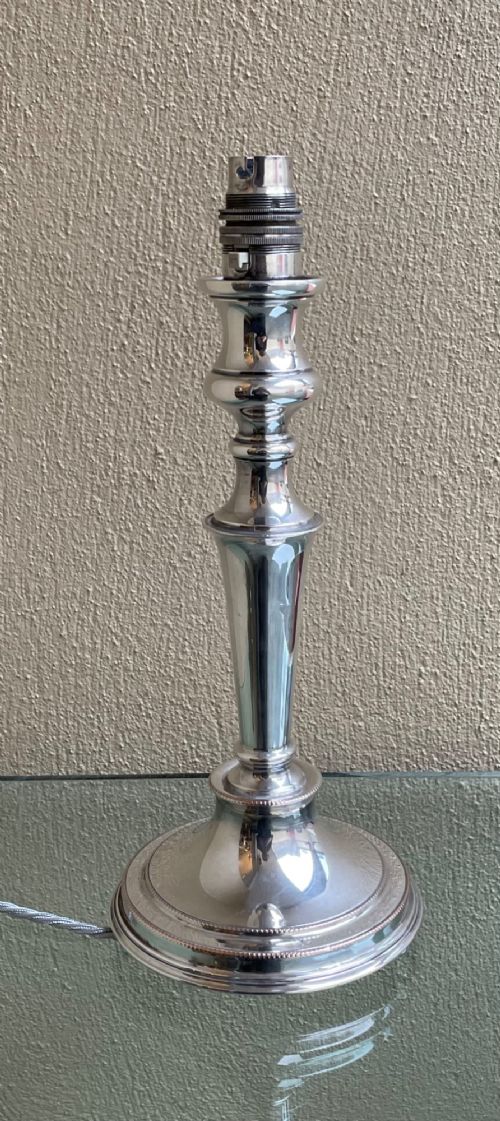
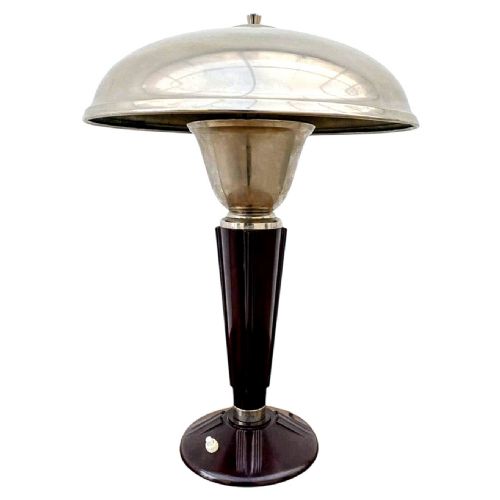
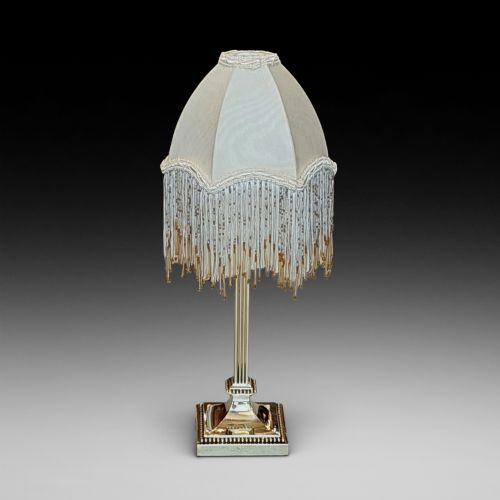
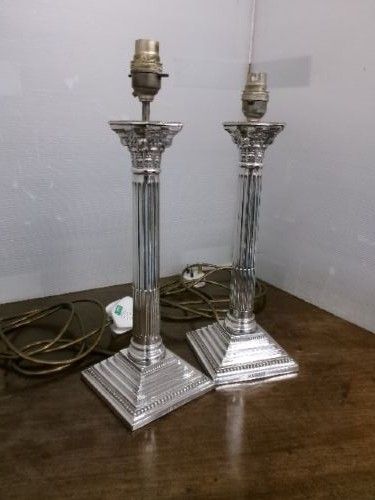
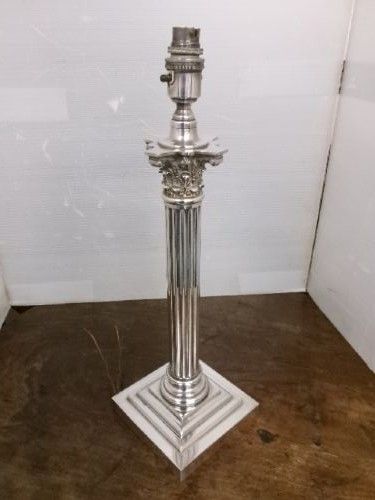
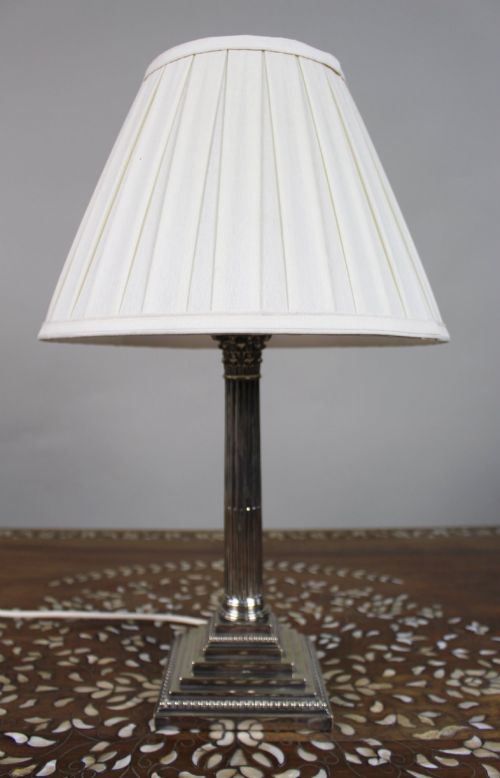
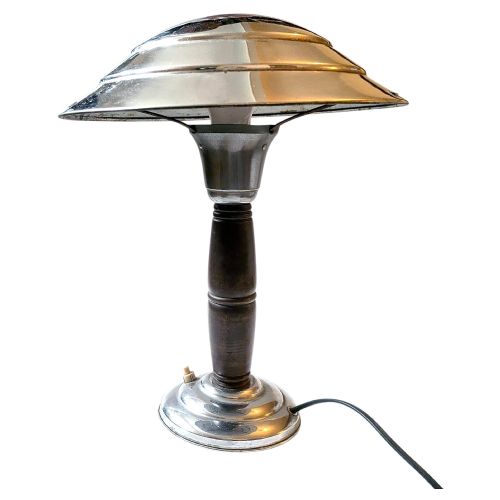
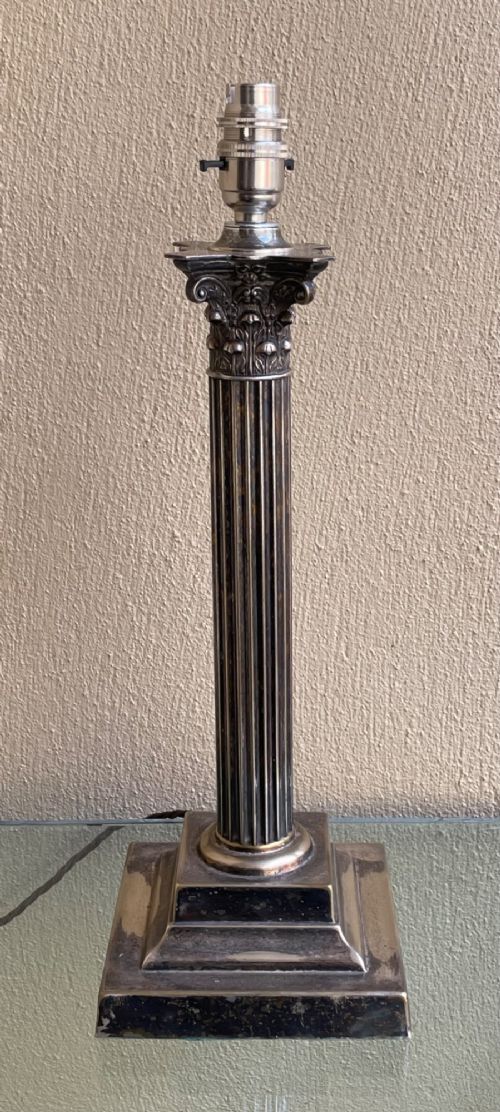
The version most commonly met on this page is the silver plated Corinthian column lamp, often standing on a stepped base with classical detailing. Other frequent variations include Art Deco chrome or bakelite designs and reflector candle lamps dating from the late nineteenth and early twentieth centuries.
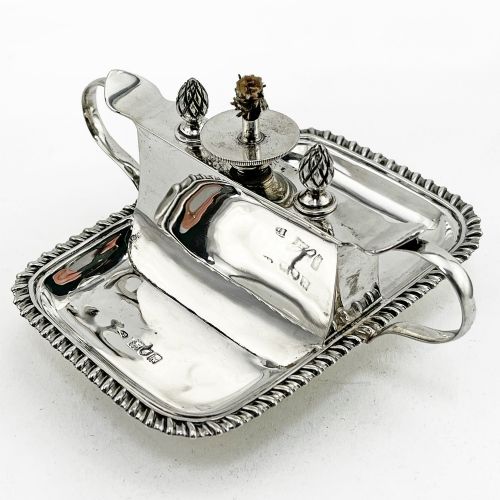
Beyond standard lighting, related silvered accessories such as table lighters and candlesticks appear alongside the core selection of table lamps. These diverse forms reflect the shifting domestic lighting technologies and decorative revivals of the nineteenth and twentieth centuries.
How They Were Made
Makers constructed the primary bodies of these lamps using brass, copper, or base metals, which were then heavily silver plated or parcel gilt to achieve a luminous metallic finish. Sterling silver examples utilised solid precious metal over weighted bases, while later twentieth-century pieces incorporated chrome, nickel, and bakelite.
Casting techniques allowed workshops to produce intricate architectural details such as Corinthian capitals, fluted columns, and lion's paw feet. Glass components, including satin glass peg fonts and shades, were frequently integrated with metal mounts to diffuse light.
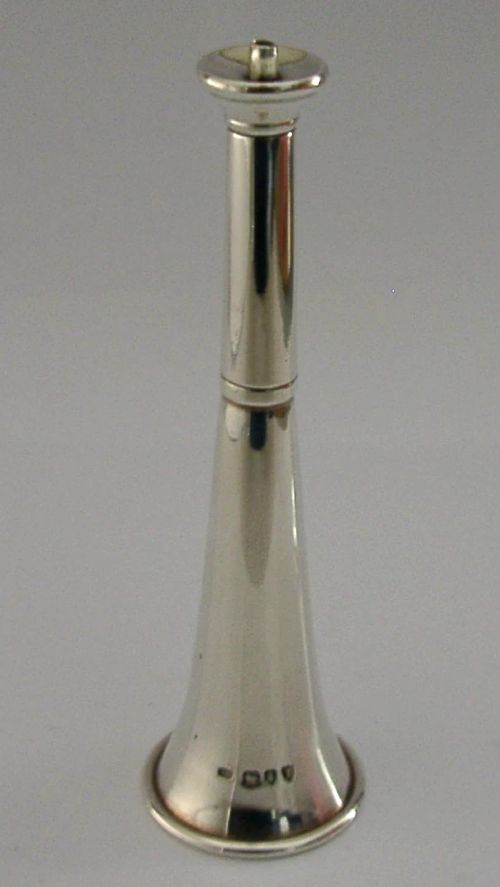
Several Victorian smokers must have been kept very alert, judging by the number of silver table lighters shaped like hunting horns and oil lamps.
What Varies in Quality
The distinction between tiers of quality rests on the weight of the metal base, the crispness of the cast architectural details, and the intactness of the silver plating. Heavier gauges of silver plate and solid sterling silver retain their finish and structural integrity better over generations of use.
Maker attribution and Jensen or Sheffield hallmarks elevate certain pieces, indicating higher standards of silversmithing and material purity. Additionally, the survival of original components, such as matching burners or period glass shades, separates standard utilitarian lighting from finer examples.
Mappin & Webb·Goldsmiths and Silversmiths Company·Harrison Brothers & Howson·Walter Latham & Son·Eileen Grey
The Antique Silvered Table Lamp Glossary
- Corinthian Column
- A classical column form featuring an ornate capital decorated with acanthus leaves, frequently utilised as the main shaft for formal Edwardian and Victorian lamps.
- Silver Plate
- A manufacturing process where a thin layer of silver is bonded to a base metal such as copper or brass, creating a reflective surface without the cost of solid silver.
- Sterling Silver
- An alloy consisting of 92.5 percent silver and 7.5 percent other metals, typically copper, used to create solid metal lamp bodies and hallmarked table lighters.
- Peg Oil Lamp
- A small oil lamp featuring a protruding lower section or peg designed to drop directly into the socket of a separate candlestick or lamp base.
- Bakelite
- An early form of synthetic plastic developed in the early twentieth century, utilised in Art Deco lighting designs for switches, bases, and body components.
Antique Silvered Table Lamp: Frequently Asked Questions
How do I date a silver plated lamp?
Dating relies on a combination of hallmarks, registration marks, and stylistic clues inherent to the piece. Victorian examples often display heavy cast ornamentation, while Edwardian pieces lean towards classical revival forms and Art Deco lamps introduce geometric chrome or bakelite structures.
Stamped makers' marks and Sheffield assay office symbols provide more precise chronological markers. Examining the construction of the wiring channels and internal fittings also assists in confirming the period of manufacture.
Are these lamps safe for modern use?
Many antique lamps require professional rewiring to meet current electrical safety standards before daily use in a modern home. Qualified electricians can easily update internal wiring while preserving the original exterior metal components and lamp holders.
Using low-wattage or LED bulbs helps protect antique components, such as satin glass shades or delicate silver plating, from excessive heat exposure over extended periods.
How should I clean silvered metal?
Maintenance requires gentle dusting with a soft, dry cloth to prevent the accumulation of grime on the metallic surfaces. Avoid aggressive silver dips or abrasive commercial cleaners that can strip thin layers of silver plate from the base metal.
Applying specialised non-abrasive metal polishes sparingly helps preserve the reflective sheen without wearing down the historic finish.