

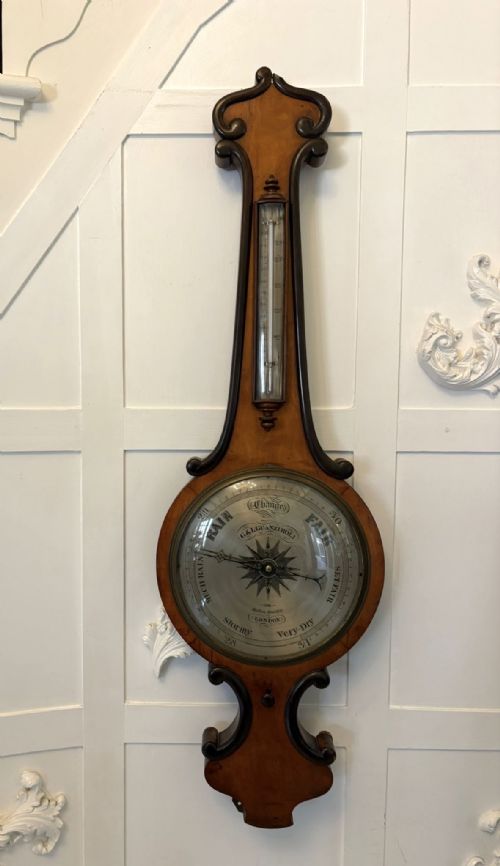


Antique Silver Thermometer
These antique silver thermometer pieces combine practical science with period craftsmanship, offering a functional desk accessory that collectors prize for scientific pedigree and decorative presence.
Antique Silver Thermometer
When you search for an antique silver thermometer, you encounter precision scientific instruments and desk accessories primarily originating from the Victorian, Regency, and Art Deco periods. These objects range from pocket travel pieces housed in leather cases to large station clocks and desk compendiums incorporating mercurial or spirit columns.
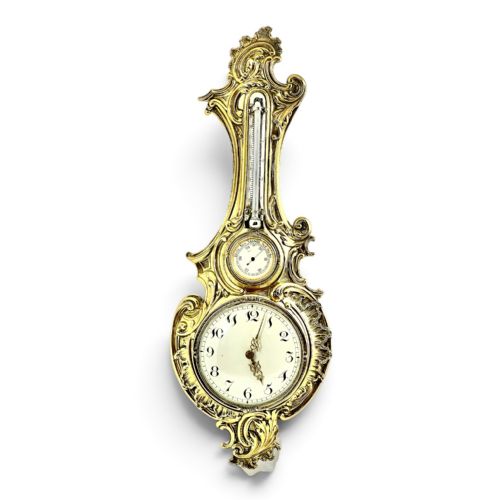
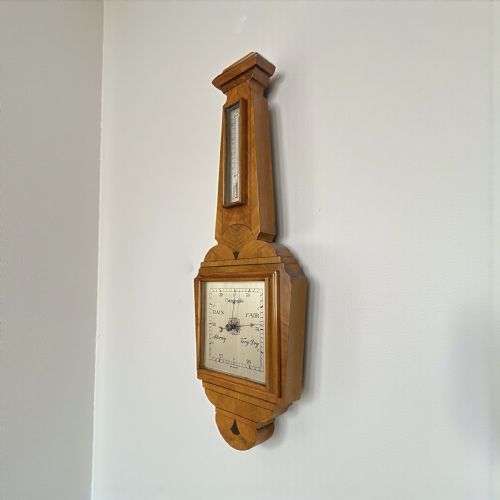
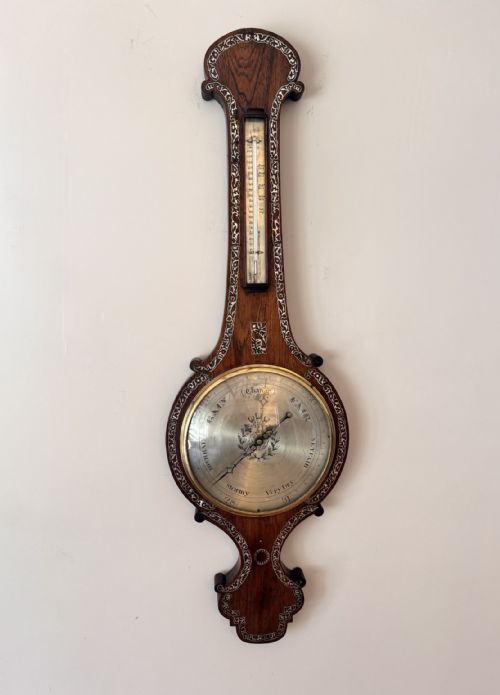
The most common versions met on this page are integrated desk instruments and wheel barometers where a thermometer forms part of a larger wooden or metallic housing. Many combine silver, silvered brass, or silver gilt elements with traditional cabinet woods such as mahogany, walnut, and rosewood.
Makers such as Thomas Harris & Son and Goldsmiths of London produced these items for domestic interiors, scientific use, and gentleman's travel. Buyers find them in varied formats, from Chinoiserie-style gilt and bronze desk clocks to simple pocket travel thermometers.
How they were made
Makers constructed these items using durable cabinet woods like mahogany, walnut, and rosewood, often shaping them into wheel barometers or travel cases. Mechanics relied on precision metalworking, applying silvered brass, gilt, and enamel to dials and scales for clear readability.
Craftsmen incorporated glass tubes to hold the mercury or spirit columns, mounting them carefully against graduated metal plates. Finer pieces featured intricate mother of pearl inlay on wood or detailed cast bronze frames in Chinoiserie and Victorian Rococo Revival styles.
Antique Silver Thermometer Retail Price Guide 2026
Typical asking prices for silver thermometer among the pieces listed under this phrase on Sellingantiques today, from the lower quarter to the upper quarter. They describe what is for sale here now, not the wider market.
What varies in quality
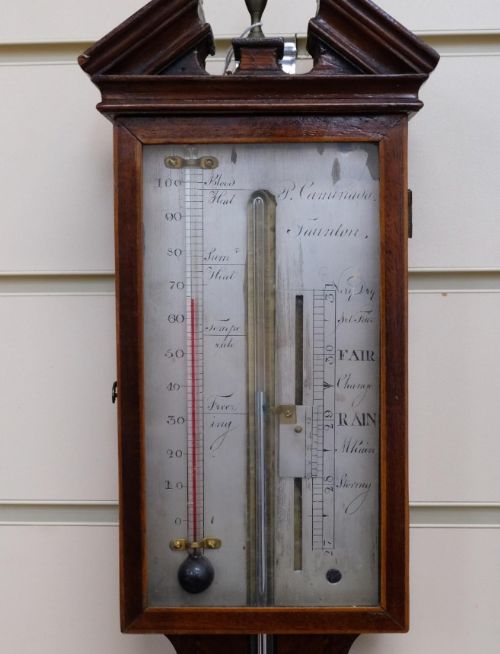
The division between standard items and exceptional pieces lies in the precision of the maker's signature and the complexity of the housing. Signed instruments by known makers command attention through finer calibration and superior materials like solid mahogany and silver gilt.
Decorative ambition separates simple utilitarian instruments from luxury library pieces. Items featuring dual instruments, such as combined barometers, clocks, and thermometers in silvered bronze, represent a higher tier of period manufacturing.
P. Caminada·G & L Guanziroli·Goldsmiths of London·Thomas Harris & Son·James Murray·George Dollond
The Antique Silver Thermometer Glossary
- Silver gilt
- Silver that has been coated with a thin layer of gold on its surface. This technique provides the durability of silver beneath a rich golden appearance.
- Wheel barometer
- A domestic weather-glass featuring a large circular dial driven by a pulley system. It frequently houses a thermometer alongside the main pressure gauge.
- Desk compendium
- A multi-functional desk accessory combining several instruments such as a clock, thermometer, and barometer into a single unified housing.
- Silvered brass
- A brass plate treated with a silver compound to produce a bright, reflective metallic finish. This material is standard for instrument dials and thermometer scales.
- Station clock
- A large multi-instrument desk or wall piece designed to display time, temperature, and barometric pressure simultaneously.
Antique Silver Thermometer: Frequently Asked Questions
How do I read an antique thermometer?
Read the temperature by observing where the mercury or spirit column aligns with the engraved graduations on the silvered brass scale. Older instruments may use different temperature scales compared to modern standards.
Examine the scale carefully to determine whether it records Fahrenheit or older historical graduations. The clarity of the etched numbers helps confirm the period of manufacture.
Are these instruments accurate?
Many surviving pieces retain their mechanical integrity, though calibration can drift over decades of non-use. They serve primarily as decorative antiques rather than daily meteorological tools.
Gentle handling preserves the delicate glass tubes and internal linkages. Collectors appreciate them for their historical craftsmanship rather than precision weather forecasting.
Where were they used?
These instruments found places in grand Victorian libraries, gentleman's studies, and offices. Smaller travel versions accompanied owners on journeys.
Desk compendiums sat upon partner desks alongside inkwells and stationery boxes. Larger wall and wheel variants hung in prominent household hallways.
How do I care for silver and wood?
Clean silver components gently with a specialised soft cloth to avoid removing delicate gilding or silver plating. Protect wood housings from direct sunlight and extreme humidity changes.
Avoid liquid polishes that can seep into instrument dials or damage paper scales. Regular dusting keeps the glass and metal surfaces clear.