

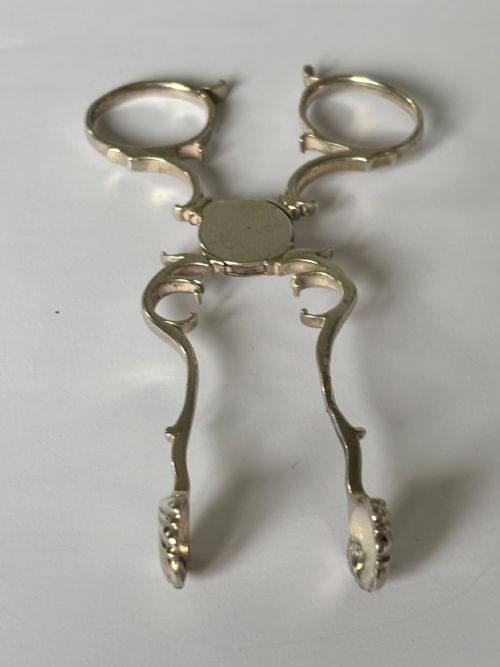


Antique Silver Tea Tongs
Antique silver tea tongs are essential tabletop implements that collectors prize for serving sugar and leaves with historical elegance.
Identifying Antique Silver Tea Tongs
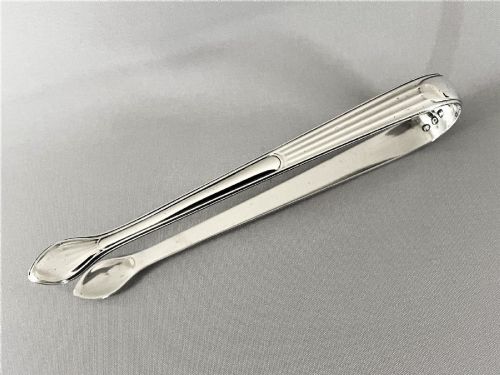
Antique silver tea tongs are small domestic implements designed for handling sugar lumps or loose leaves during tea service. When exploring these listings, buyers encounter various forms spanning the eighteenth century through the Victorian era.
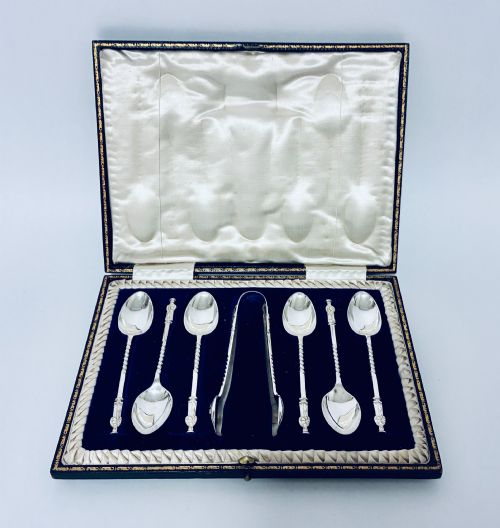
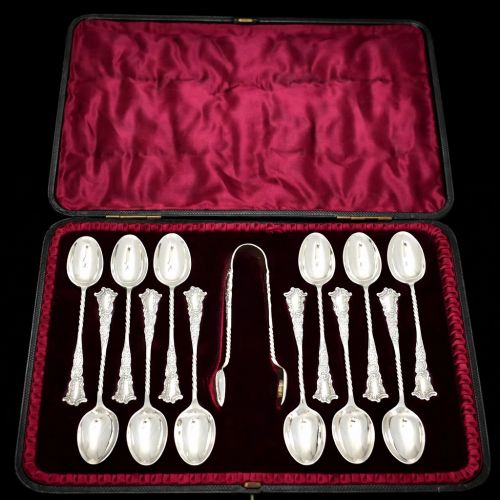
The pieces on this page appear both as standalone items and paired within cased sets alongside teaspoons. Styles range from simple Georgian designs to ornate Victorian naturalistic motifs.
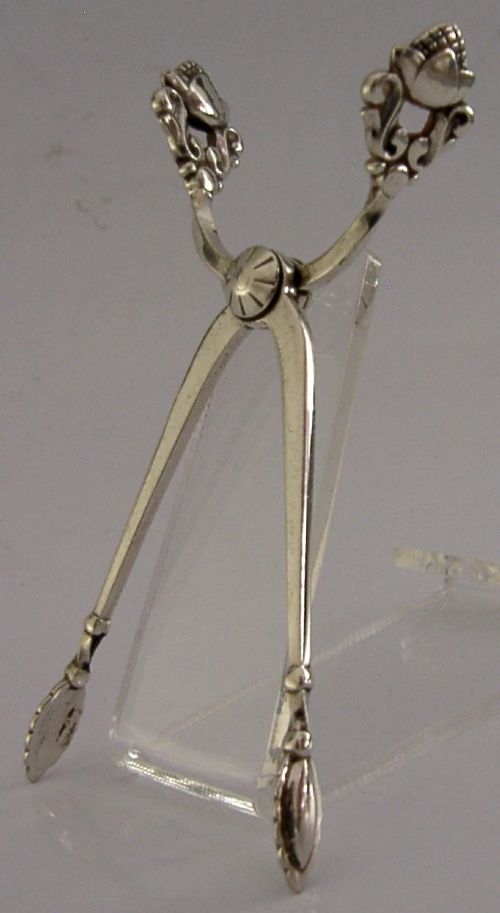
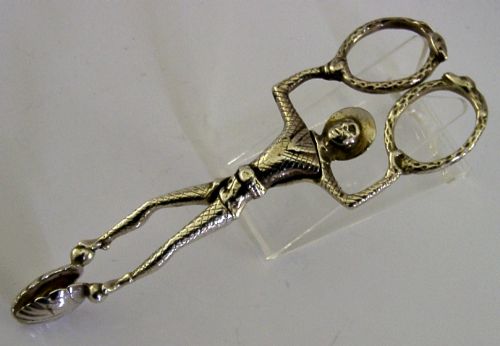
Makers utilised sterling silver across the periods represented, occasionally producing parcel-gilt vermeil examples. The selection includes cast items and sugar nips originating from English workshops and continental makers.
Materials and Manufacture
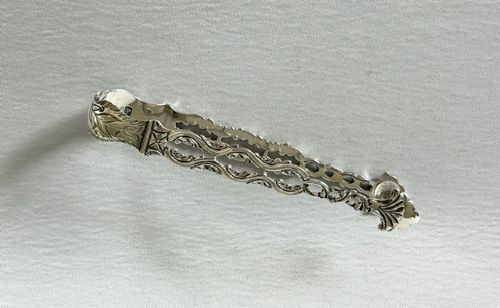
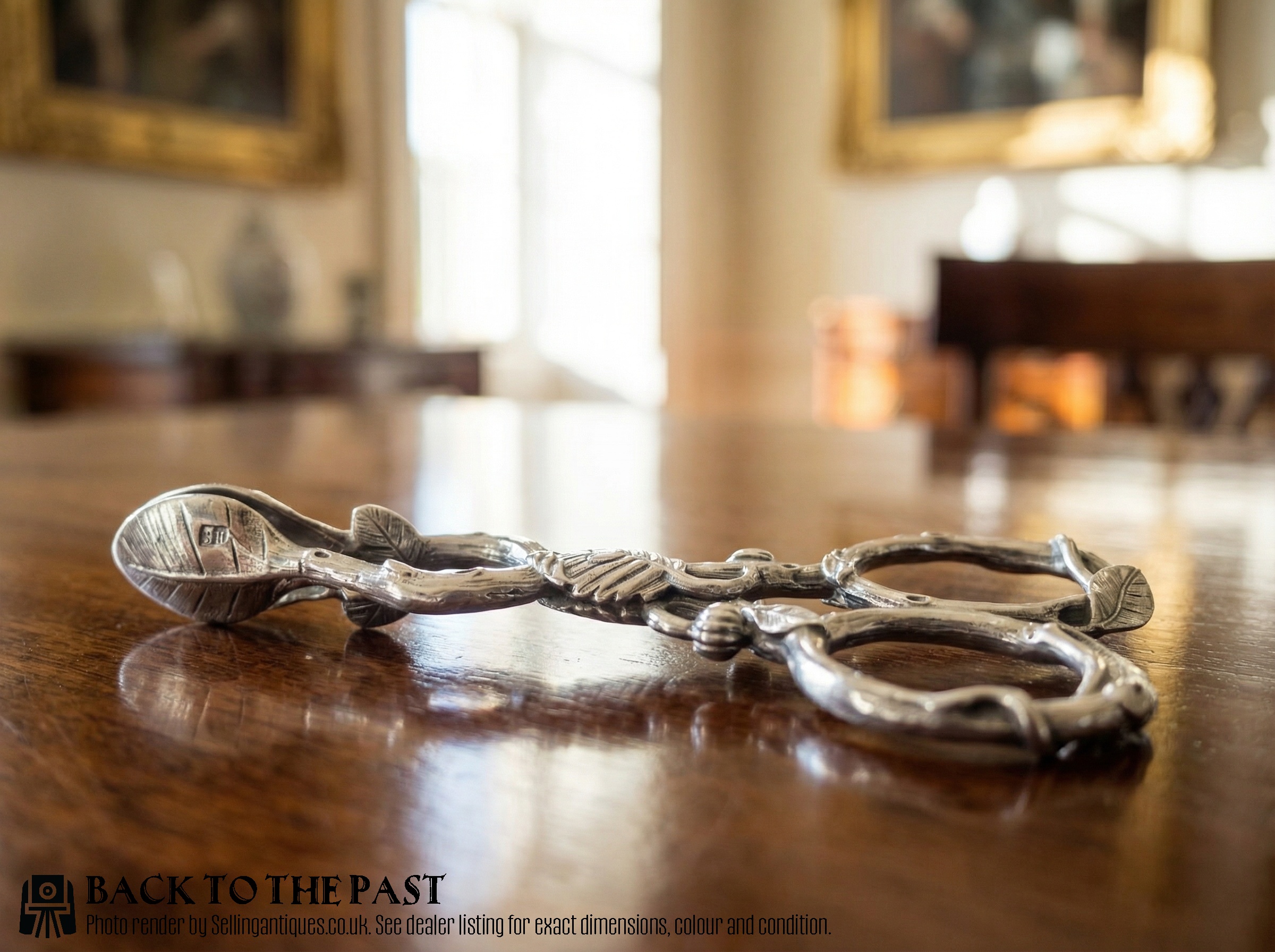
Silversmiths constructed these implements from solid sterling silver, employing casting and forming techniques to shape the metal. Certain examples feature intricate pierced work or naturalistic foliate designs applied to the arms.
Continental workshops also produced solid silver gilt vermeil items, applying a gold wash over the silver base. Cased sets incorporate fitted boxes lined to hold both the tongs and accompanying spoons securely.
Some Victorian sets include matching tea strainers, ensuring no stray leaf ever dares breach the teacup.
Assessing Quality and Execution
Provenance and maker attribution also influence the character of a piece, with documented workshops demonstrating superior finishing on joints and terminal grips. Cased sets maintain added interest when the original fitted box remains intact.
Thomas Purver·Francis Higgins·Philippe Berthier Paris
The Antique Silver Tea Tongs Glossary
- Sterling silver
- A standard alloy consisting of ninety-two point five percent silver by mass, with the remainder composed of copper or other metals. This material provides the durability required for functional domestic tableware.
- Sugar nips
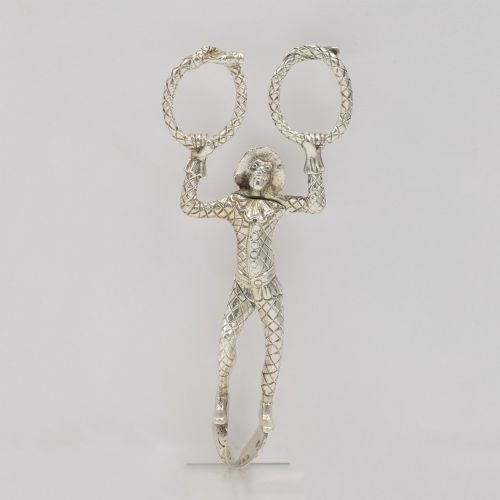
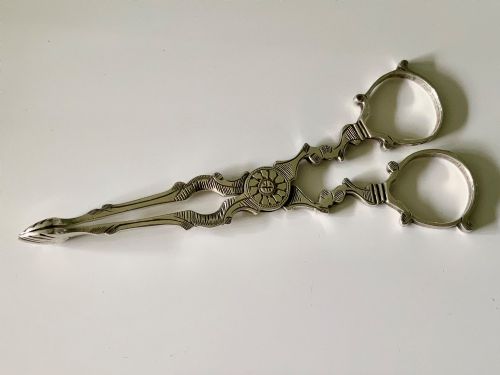
- An earlier form of sugar tongs featuring scissor-like handles and circular grips. They allow precise handling of conical sugar loaves before the widespread adoption of cube sugar.
- Vermeil
- Sterling silver coated with a thin layer of gold. This decorative technique adds a warm, opulent finish frequently seen on continental table services.
- Cast silver
- Metal poured into a mould to achieve three-dimensional form and decoration. This method creates heavier, more substantial pieces than sheet-metal stamping.
Frequently Asked Questions
How do I clean antique silver tea tongs?
Clean these implements gently using a soft cloth and warm soapy water to remove everyday tarnish. Avoid harsh abrasive dips that strip the characterful patina built up over centuries of use.
Dry the silver thoroughly after washing to prevent water spots. Proper storage in acid-free tissue preserves the metal finish without causing micro-scratches.
Were tea tongs used only for sugar?
These implements primarily handled sugar lumps or loaves during formal tea service before granulated sugar became standard. Households also utilised similar small tongs for selecting loose tea leaves from caddies.
The slender arms and gripped terminals provided the necessary leverage for delicate tabletop tasks. Victorian sets frequently paired them directly with teaspoons inside dedicated presentation cases.
How can I date my tea tongs?
Examine the piece for stamped hallmarks which indicate the assay office, year letter, and maker's mark. Stylistic shifts, such as the move from mid-eighteenth-century cast designs to Victorian naturalistic foliate motifs, also signal the period.
Comparing construction techniques helps narrow down the decade of manufacture. Cased sets often display retailer labels inside the lid that assist with provenance.
What is the difference between tongs and nips?
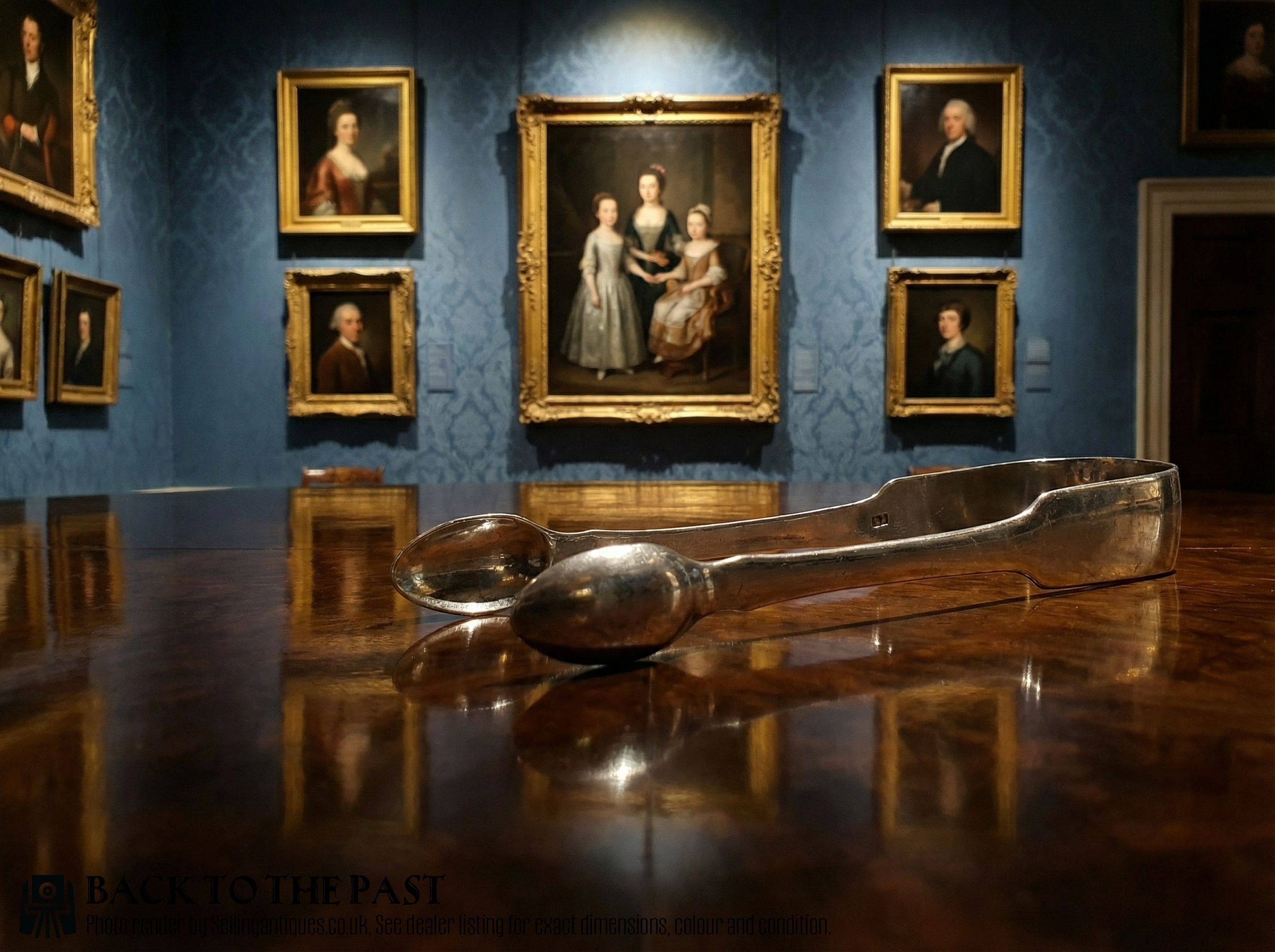
Traditional tongs consist of a single folded strip of metal with spoon-shaped or decorative terminals. Sugar nips operate with a scissor action and pivot points similar to modern surgical instruments.
Nips typically date from earlier Georgian periods when sugar arrived in large solid loaves requiring breakage. Both implements served the same domestic function on the tea table.