

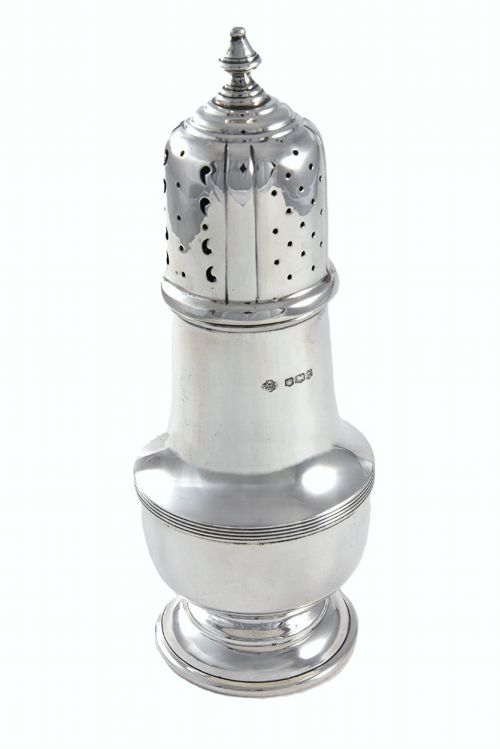


Antique Silver Table Shaker
An antique silver table shaker stands on the dining table as a functional piece of tableware, offering a refined way to dispense sugar, salt, and pepper.
Antique Silver Table Shaker
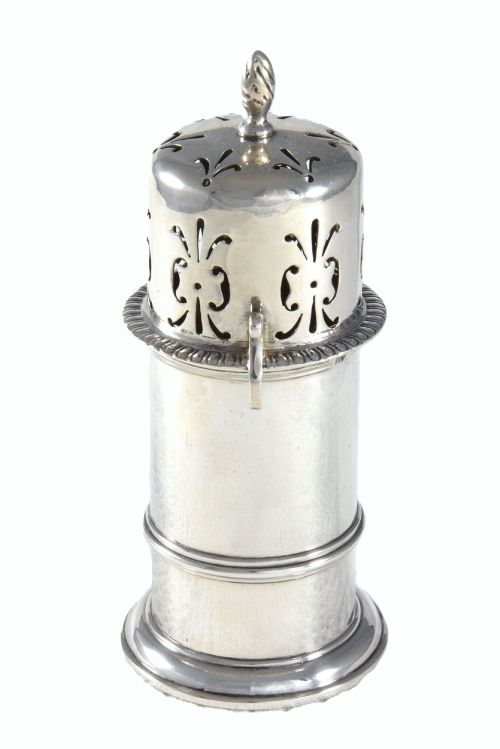
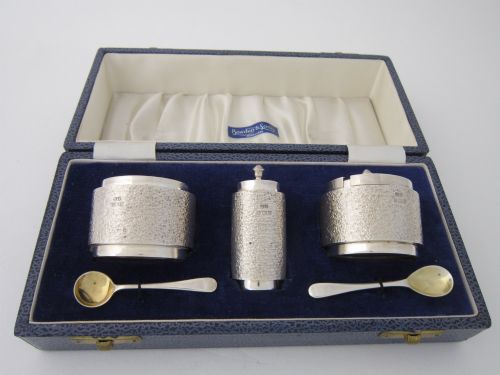
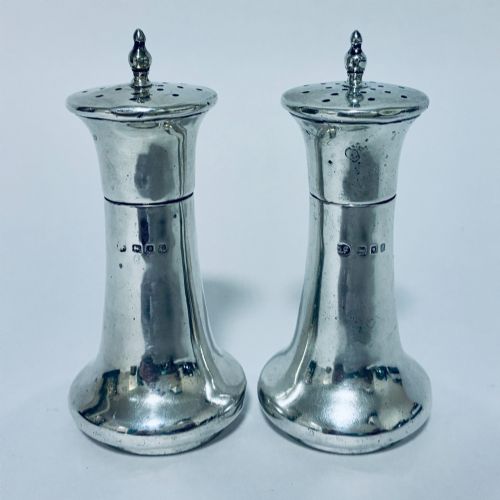
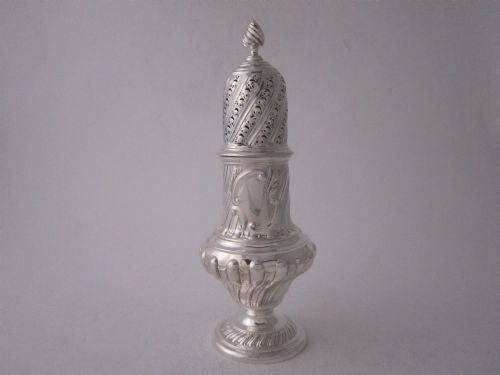
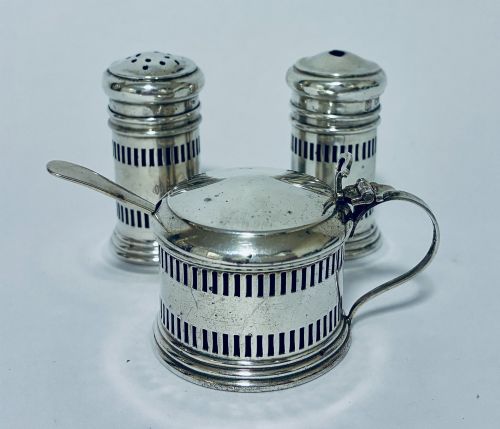
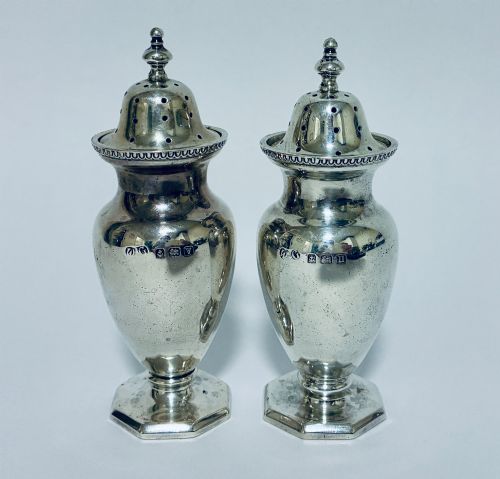
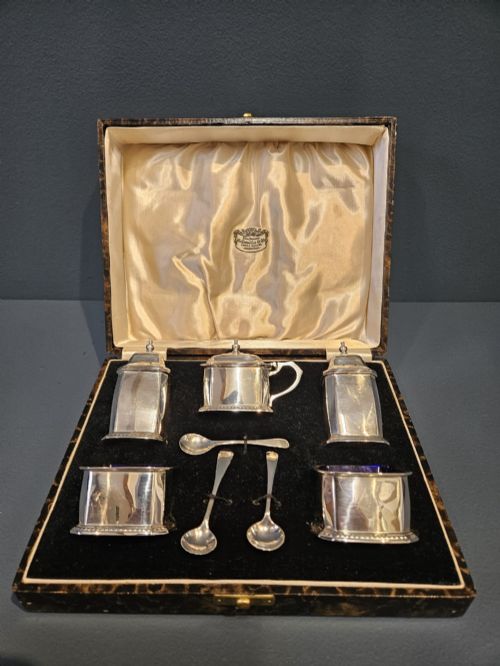
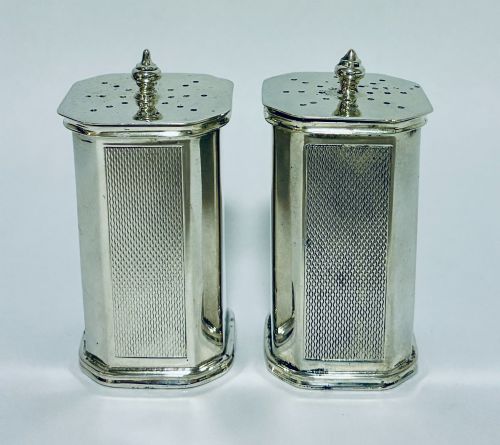
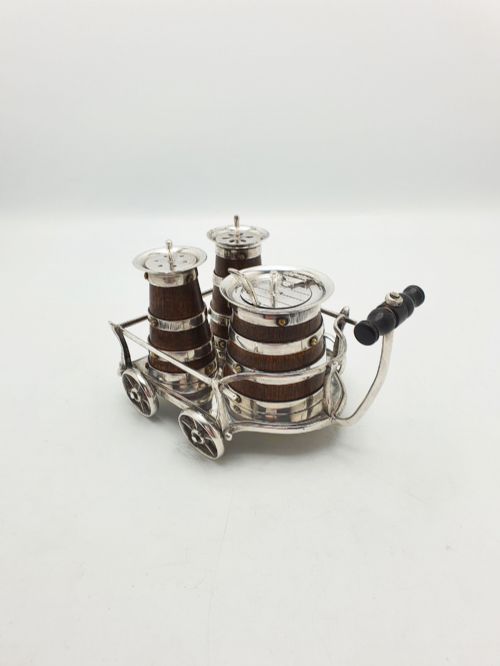
An antique silver table shaker includes sugar casters, pepper pots, and condiment sets spanning the Victorian, Edwardian, and Art Deco periods. These forms range from utilitarian single pepperettes to comprehensive multi-piece cruet sets containing bottles and shakers.
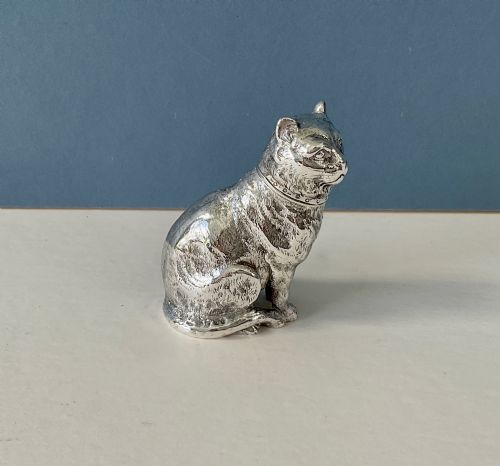
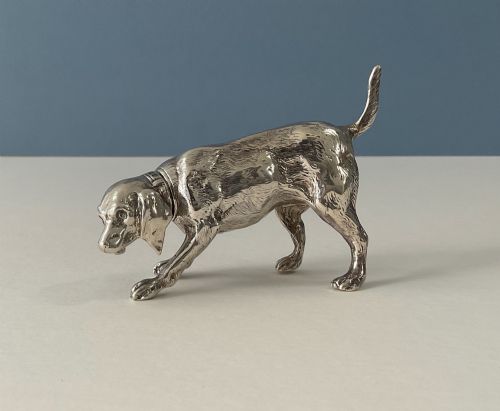
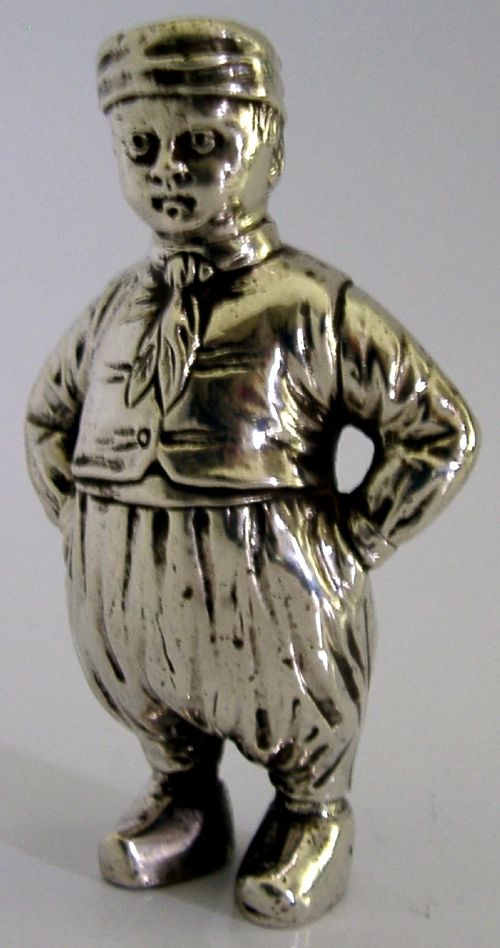
Novelty items shaped as animals, birds, and figures form a distinct category within the selection. Pieces modelled as cats, dogs, owls, and chicks appear frequently alongside standard cylindrical and polygon sugar shakers.
How they were made
Silversmiths utilised sterling silver and solid silver for substantial casters and cruet frames, often combining them with cut glass bottles. Silver plate over base metals and oak wooden barrels also provide the structure for larger condiment sets.
Antique Silver Table Shaker Retail Price Guide 2026
Typical asking prices for silver table shaker among the pieces listed under this phrase on Sellingantiques today, from the lower quarter to the upper quarter. They describe what is for sale here now, not the wider market.
What varies in quality
Quality rests upon the weight of the metal and the crispness of the chased or cast detail. Substantial gauge silver and sharply defined novelty castings distinguish superior examples from simpler production pieces.
The integrity of the original components within a cruet set affects the overall standard. Matching bottles, clear hallmarks, and undamaged pierced shaker tops elevate the desirability of the set.
Goldsmith & Silversmith's·Barker Brothers·Roberts & Belk·Bricks & Sons·Sampson Mordan·Thomas Johnson·Wilmot Manufacturing Co
The Antique Silver Table Shaker Glossary
- Sugar Caster
- A tall vessel with a pierced dome top used for sprinkling sugar onto food. These are also known as sugar shakers or castors.
- Cruet Set
- A matched collection of condiment bottles, cruets, and shakers held within a metal or wooden frame. They sit together on the dining table.
- Pepperette
- A small shaker designed specifically for dispensing ground pepper. They often form matching pairs or sit inside larger cruet frames.
- Hallmark
- An official stamp applied to silver items indicating the metal standard, assay office, and year of manufacture. These marks confirm the silver content.
- Novelty Silver
- Silver pieces shaped to represent animals, humans, or objects rather than standard geometric forms. Victorian makers produced many figural shakers.
Antique Silver Table Shaker: Frequently Asked Questions
How do I clean antique silver shakers?
Use a soft microfibre cloth and a gentle, non-abrasive silver polish to remove tarnish without scratching the metal surface.
Avoid submerging pieces that combine silver with glass, velvet, or wooden components to protect the non-metal materials from moisture damage.
Are these shakers safe for daily use?
Sterling silver shakers remain robust enough for regular dining use provided they are washed and dried by hand immediately after.
Ensure that salt is emptied after use to prevent corrosion of the interior silver surface over time.
How can I date my silver shaker?
Look for the series of small stamped hallmarks on the base or the rim of the lid. These marks include date letters and assay office symbols that pinpoint the exact year of production.
Stylistic cues such as Art Deco geometric polygons or Victorian naturalistic animal forms also help narrow down the era.
What is the difference between a caster and a shaker?
A caster is traditionally a taller vessel with a footed base designed specifically for scattering caster sugar over desserts. Shakers generally refer to smaller pots used for table condiments like salt and pepper.
Both types utilise pierced tops to distribute dry ingredients evenly.