



Antique Silver Sweet Dishes
Antique silver sweet dishes bring refined Victorian and Edwardian elegance to the table, designed originally to serve small confections or preserves.
Antique Silver Sweet Dishes
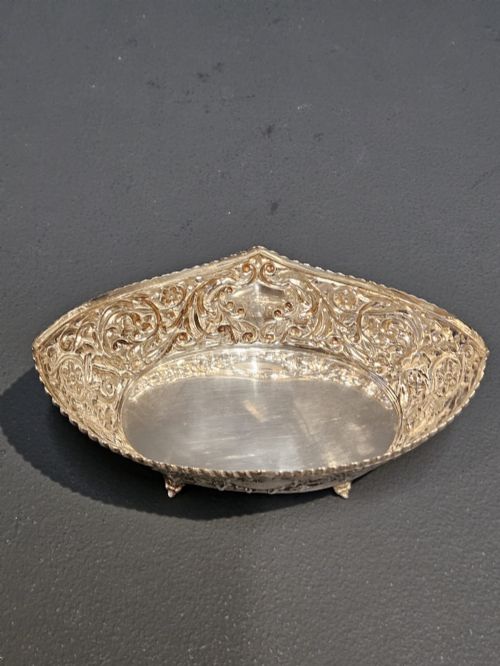
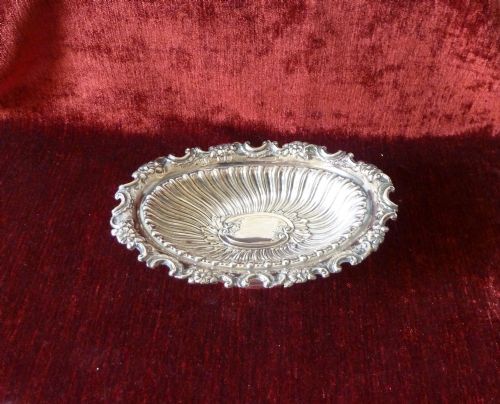
When you search for antique silver sweet dishes, you encounter an array of small serving pieces spanning the Victorian, Edwardian and Art Deco periods. These items include bonbon dishes, sweet bowls, sweet stands and sweetmeat dishes designed for formal dining and drawing room hospitality.
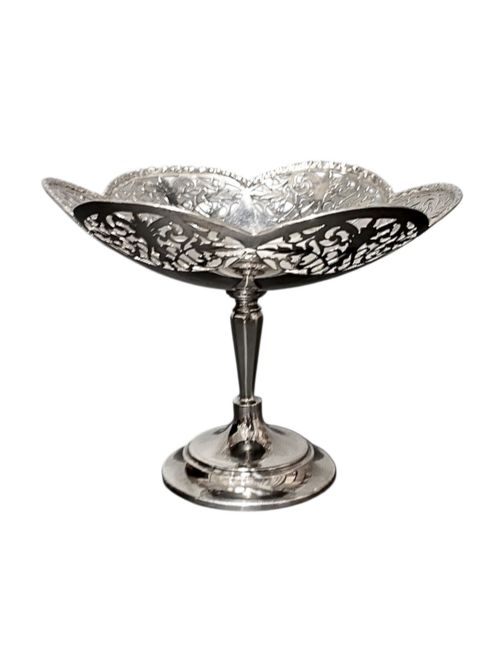
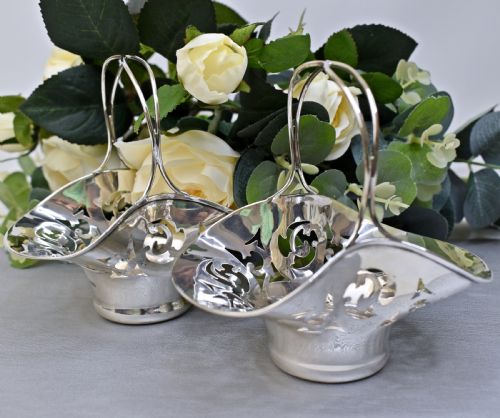
The selection ranges from sterling silver pieces bearing provincial or London hallmarks to silver plate and combination pieces pairing metal with glass. You will find pierced baskets, handled bowls and pedestals representing styles from the Aesthetic Movement to Art Nouveau.
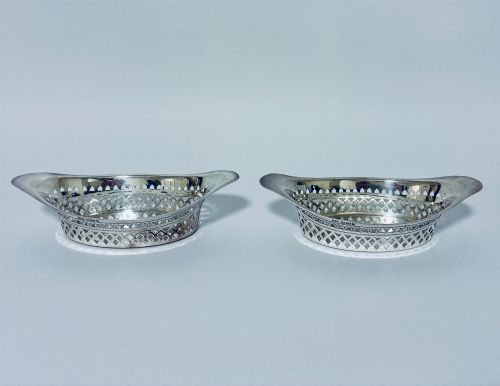
Victorian examples dominate the field, often featuring pierced decoration or paired construction intended for symmetrical table settings. Later twentieth century pieces bring cleaner geometric lines from the Art Deco era into the domestic interior.
How they were made
Makers utilised sterling silver and silver plate, frequently combining the metalwork with cut crystal, cranberry glass, pink opaque glass or cane handles. Piercing and chasing formed the primary decorative techniques for shaping intricate lattice patterns into the body of the dish.
Gilding was applied to the interior surfaces of silver gilt baskets designed to hold acidic preserves without tarnishing the metal. Workshops in Sheffield and Birmingham stamped hallmarks into sterling pieces, recording the assay office, date letter and maker's mark.
Antique Silver Sweet Dishes Retail Price Guide 2026
Typical asking prices for silver sweet dishes among the pieces listed under this phrase on Sellingantiques today, from the lower quarter to the upper quarter. They describe what is for sale here now, not the wider market.
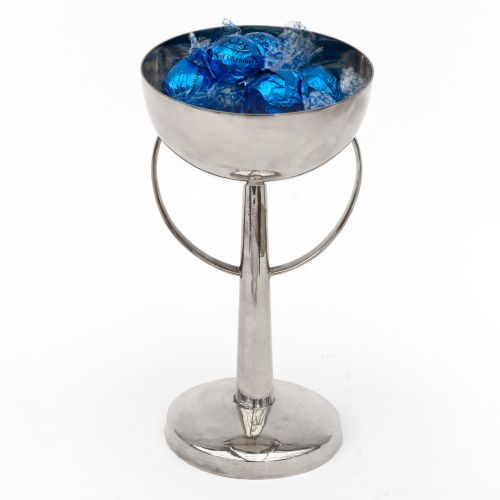
Dr Christopher Dresser lent his radical modernist vision to table vessels, proving that even a humble sweetmeat dish could challenge Victorian convention.
What varies in quality
The standard of craftsmanship shows in the crispness of the piercing and the weight of the metal utilised in the body of the dish. Heavier gauge sterling silver maintains its structural integrity and resists distortion better than thinner stamped plating.
Design attribution separates standard commercial output from pieces originating from notable makers or progressive designers. The integration of high quality cut crystal or coloured glass liner inserts with matching metal mounts elevates the standing of the piece.
Fenton Brothers·Roberts and Belk
The Antique Silver Sweet Dishes Glossary
- Bonbon dish
- A small vessel specifically designed for serving sugar plums, bonbons or small sweets after a meal. These often feature swing handles or footed pedestals.
- Sweetmeat dish
- A historical term for a small container holding preserved fruits, nuts or sweetmeats during formal dining. They appear in shallow bowl or basket forms.
- Silver gilt
- Silver that has been coated with a thin layer of gold on its interior surface. This technique protected the base metal from corrosion caused by sweet preserves.
- Pierced work
- A decorative technique involving the cutting or piercing of patterns through the metal sheet. It created lightweight lattice and floral designs on Victorian baskets.
Antique Silver Sweet Dishes: Frequently Asked Questions
What were sweet dishes used for?
These small vessels served sweetmeats, bonbons, sugar plums and preserved fruits during formal dining courses and drawing room gatherings.
They sat upon the dining table or sideboard, allowing guests to help themselves to confections at the conclusion of a meal.
How do I date a silver sweet dish?
Sterling silver pieces carry hallmarks stamped directly into the metal, which record the assay office, the specific date letter and the maker's mark.
Stylistic indicators such as the heavy ornamentation of the Victorian Aesthetic Movement or the geometric lines of Art Deco help narrow down unmarked silver plated examples.
Are sweet dishes and bonbon dishes the same?
Both terms describe small decorative bowls intended for confectionery, though sweetmeat and sweet dish are broader historical classifications.
Bonbon dishes frequently incorporate swing handles and were produced in large quantities during the late Victorian and Edwardian periods for serving specific small sweets.
How should I display sweet dishes at home?
Their compact size makes them suitable for placement on side tables, cabinets or open shelving where the pierced metalwork and glass inserts catch the light.
They function well in modern interiors for holding small items or simply displayed as examples of nineteenth and twentieth century silver smithing.