



Antique Silver Side Lamp
An antique silver side lamp brings steady, reflective light to a room, drawing on periods from Georgian elegance to Art Deco boldness.
Antique Silver Side Lamp
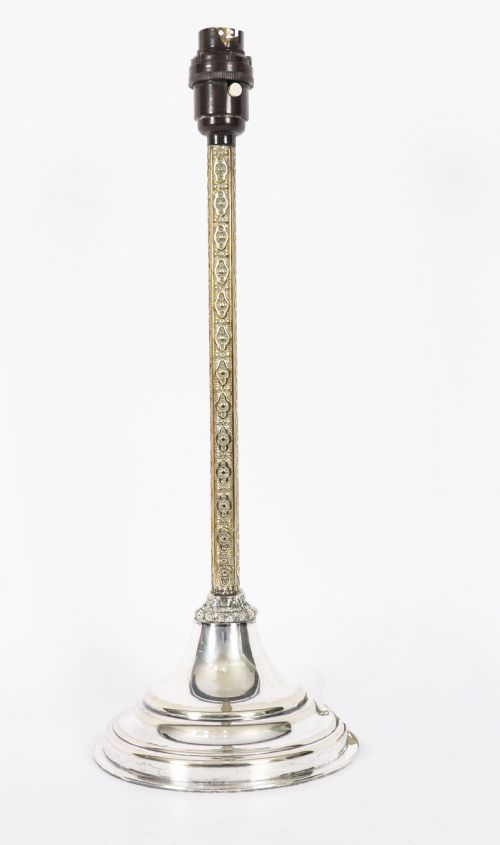
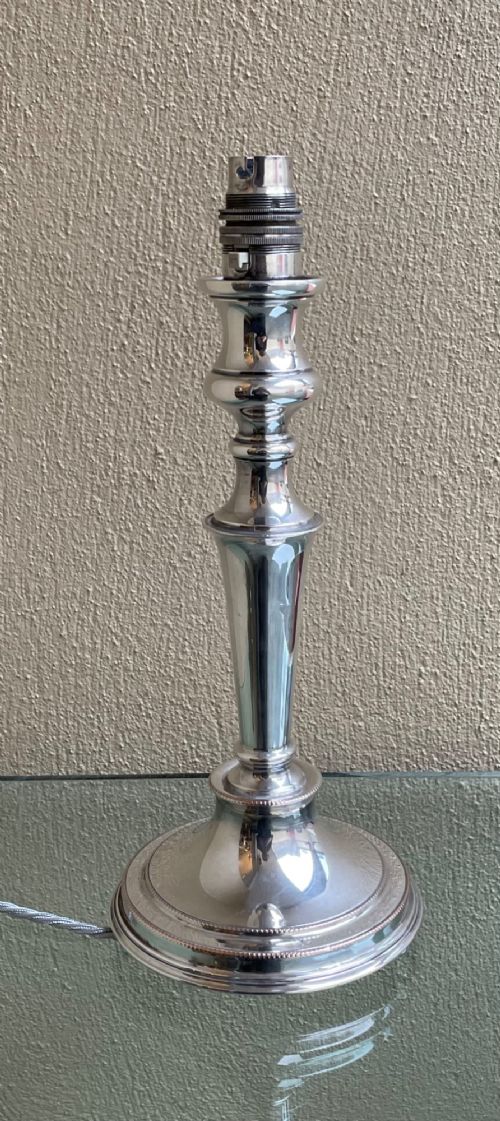
An antique silver side lamp encompasses table lighting and occasional tables designed to hold pieces, spanning periods from the eighteenth century through to the twentieth century. These objects combine metalwork and timber forms, frequently appearing as silver plated table lamps or mahogany side tables.
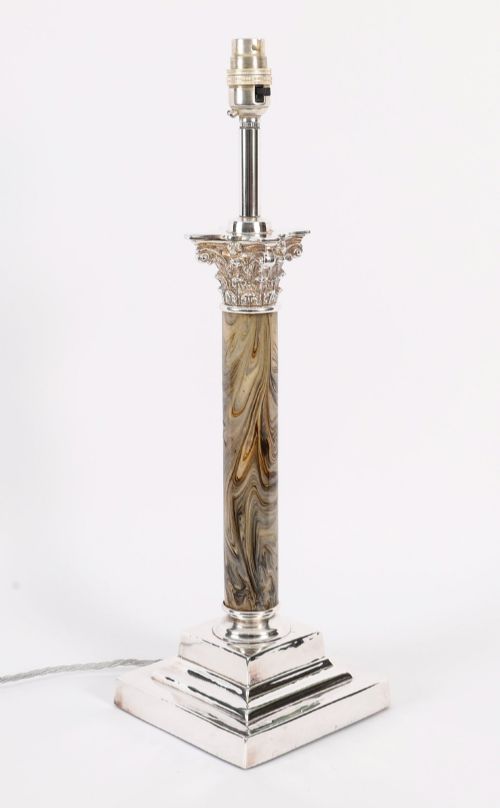
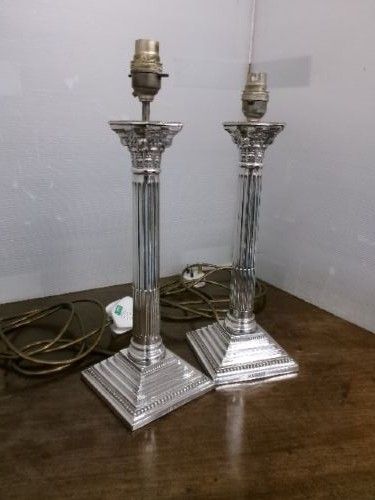
The versions most commonly met on this page include silver plated Corinthian column table lamps and Edwardian designs alongside George V pieces. Makers and craftsmen utilised materials such as brass, gilt metal, onyx, and fabric shades to complete the form.
Buyers encounter both functional lighting and supporting furniture under this category, reflecting the varied interpretations of side tables and candelabra lamps across Victorian and Edwardian workshops.
Materials and construction
Silver plating over base metals forms the foundation of the lighting pieces, while furniture relies on dense timbers like Cuban mahogany, walnut, and oak. Workshops applied parcel gilt accents and intricate metal work to enhance decorative surfaces.
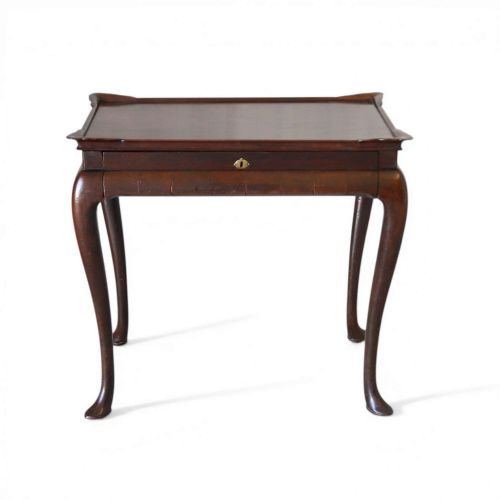
Tray tops on tables feature raised borders designed to secure objects, supported by cabriole legs characteristic of earlier revival styles. Columns and candlesticks incorporate classical orders, notably the Corinthian style executed in plated metal.
Listings span the seventeenth through to the twentieth century, combining silver plate, brass, walnut, mahogany, and oak across table lamps and tray top side tables.
Distinctions in quality
The standard of execution in chasing, casting, and timber selection separates finer items from simpler production. Crisp detail on column capitals and substantial gauge metal indicate superior manufacturing.
Proportion and timber figure determine the standing of furniture pieces, where well-figured walnut and figured mahogany display greater depth than plain surfaces. Original mounts and intact plating surfaces retain more integrity than heavily worn examples.
Mappin & Webb's
The Antique Silver Side Lamp Glossary
- Silver Plate
- A thin layer of silver fused to a base metal core, commonly used for durability and appearance in lighting. This technique allowed manufacturers to produce monumental forms without the weight of solid silver.
- Corinthian Column
- A classical architectural order featuring ornate capitals decorated with acanthus leaves, frequently adapted for table lamp bases. It remains a popular motif in revival lighting.
- Cabriole Leg
- A furniture leg that curves out and then in, ending in a pad or foot, seen on eighteenth-century and revival side tables. This form draws inspiration from animal limbs.
- Tray Top
- A tabletop with a raised rim or moulding designed to prevent items from sliding off, often found on mahogany and walnut side tables. These edges are sometimes shaped from solid timber.
- Parcel Gilt
- A decorative technique where specific areas of an object are partially gilded with gold leaf or powder, highlighting details against a silver or dark background.
Antique Silver Side Lamp: Frequently Asked Questions
How do I date a silver lamp?
Dating relies on stylistic clues, mounting techniques, and the underlying metal structure rather than precise marks alone. Period characteristics like column proportions offer reliable guides.
Examining the wiring, base weight, and wear patterns helps distinguish Edwardian and Victorian production from later twentieth-century manufacturing.
Are silver side lamps heavy?
Most plated lamps utilise a base metal core filled with weighted material to ensure stability on furniture. This prevents tipping when fitted with fabric shades.
Wooden side tables vary in weight depending on whether mahogany, walnut, or oak was used in their construction.
Where should I place a side lamp?
These pieces suit occasional tables, sideboards, or halls where they provide ambient lighting and decorative presence. Their reflective surfaces catch daylight as well as artificial illumination.
Pairing them with appropriate shade materials enhances the balance between metal bases and surrounding furnishings.
What is a silver table?
A silver table is a specific furniture form from the Georgian and revival periods, originally designed for displaying or serving tea and silver items. They often feature tray tops and cabriole legs.
Today, these tables serve as versatile side surfaces in drawing rooms and studies.