


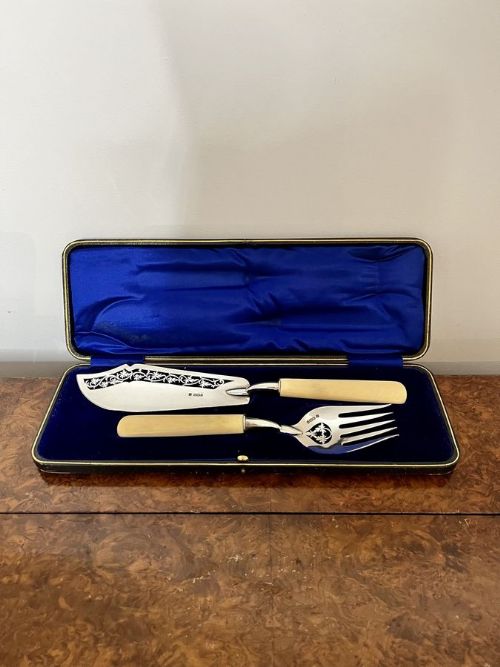
Antique Silver Serving Slice
When you handle an antique silver serving slice, you hold a piece designed to present fish, pastry and ice cream with ceremony.
Antique Silver Serving Slice
An antique silver serving slice is a specialised utensil intended for the dining table, encompassing fish slices, dessert servers and ice cream blades. These pieces appear across Georgian, Victorian and mid-century periods, reflecting changes in dining habits and domestic service over two centuries.
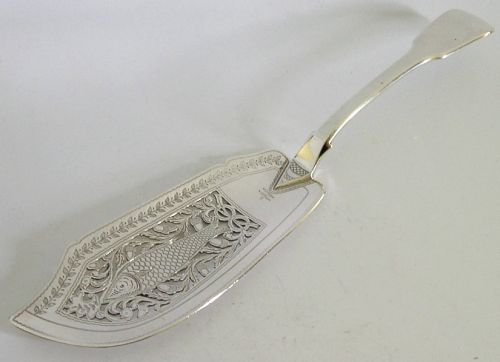
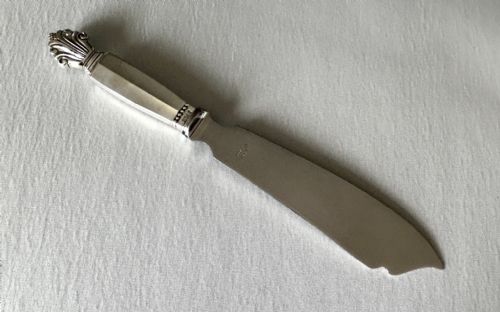
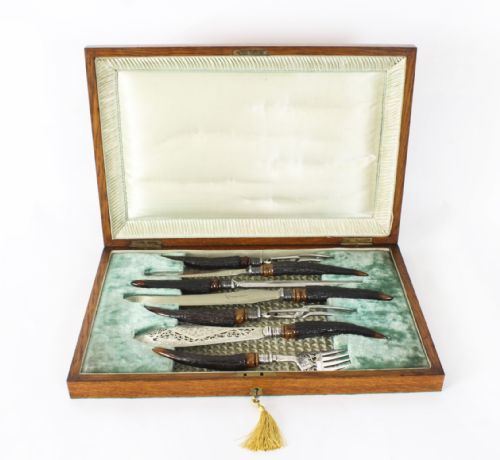
The form most frequently met on this page is the fish slice, often featuring a broad, pierced blade designed to drain liquid while supporting delicate portions. Alongside these are cake servers, sardine servers and paired sets that include matching forks for formal dining.
How they were made
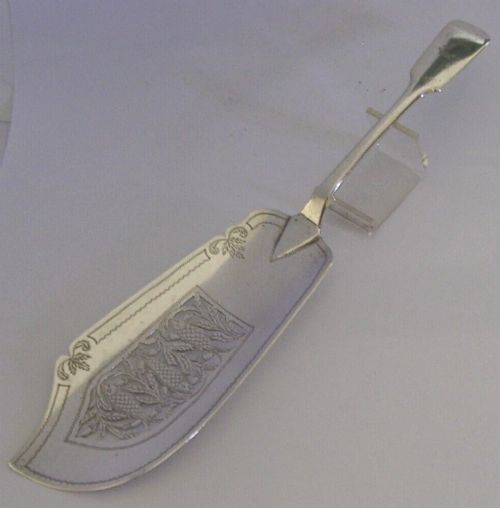
Makers shaped sterling silver and silver plate into blades using techniques such as piercing, engraving and hammering. Piercing removed weight and created intricate geometric or naturalistic patterns on the face of the slice.
Handles utilised diverse materials including wood, bone, stag antler and velvet alongside solid metal. These handles were pinned or fitted to the silver shank, combining durability with tactile contrast.
Listings here feature items spanning the eighteenth, nineteenth and twentieth centuries, utilising sterling silver, silver plate, wood, bone and stag antler.
What varies in quality
Quality rests in the crispness of the piercing and the depth of the hand engraving on the blade. Superior examples display clean symmetry in pierced voids and sharp, purposeful lines in heraldic crests or floral motifs.
The integration of the handle determines the overall balance of the piece in the hand. Finer items exhibit seamless joints between metal and materials like antler or bone, showing no looseness after decades of use.
Georg Jensen·Thomas Daniell·George Adams·Charles Boyton
The Antique Silver Serving Slice Glossary
- Piercing
- The technique of cutting decorative patterns through the metal of the blade. This reduced the weight of the silver while creating visual lightness.
- Sterling silver
- An alloy containing a high standard of pure silver, widely used across British silversmithing. It provides both the necessary rigidity and a bright finish for dining implements.
- Fiddle pattern
- A traditional nineteenth-century flatware handle design characterised by a narrow stem that broadens near the end into a shoulder resembling a violin.
- Crest
- An engraved family heraldic symbol placed upon the handle or blade. It denotes the original ownership lineage of the piece.
Antique Silver Serving Slice: Frequently Asked Questions
What was a silver serving slice used for?
These utensils were created to serve specific dishes at the table, most commonly fish courses during formal Victorian and Georgian dinners. They were also adapted for pastry, ice cream and sardines as dining menus expanded.
Their broad blades allowed the host to lift delicate portions without breaking them, combining practicality with visual display during meals.
How do I know the age of a silver slice?
Dating relies heavily on hallmarks stamped into the metal, which record the assay office, the year of production and the maker's mark. Stylistic clues such as handle materials and blade shapes also help place a piece within periods like the Georgian or Victorian eras.
Comparing the engraving style and the outline of the blade against documented examples provides further confirmation of the manufacturing decade.
Can I use an antique serving slice today?
Many people continue to use these pieces for hosting dinner parties, particularly for serving fish, tarts and desserts. Solid silver and silver plate remain durable enough for occasional modern dining use when handled with care.
Hand washing is essential to preserve organic handle materials like bone or antler, avoiding dishwashers entirely to protect the metal and joints.
Why do some slices have holes in the blade?
The pierced openings served a functional purpose on fish slices by allowing oil and cooking liquids to drain away from the food before it reached the plate. Silversmiths turned this utility into an art form, creating geometric and floral lattices across the metal.
Solid blades without piercing generally point toward dessert, ice cream or specialised sardine servers where drainage was unnecessary.