

Antique Silver Service
When you search for an antique silver service, you look for matched groupings of pots, jugs, and trays spanning Georgian to Edwardian eras.
Antique Silver Service
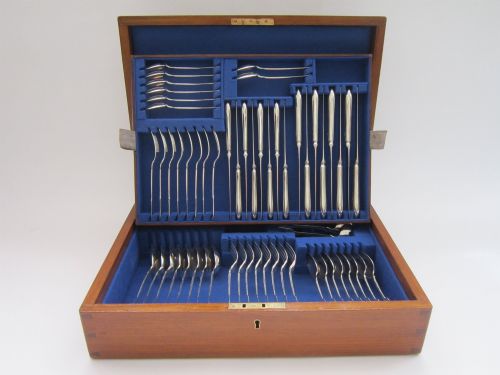
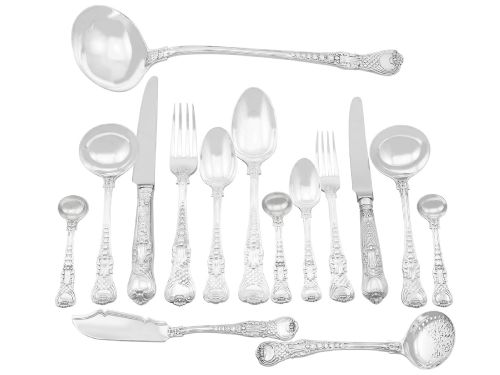
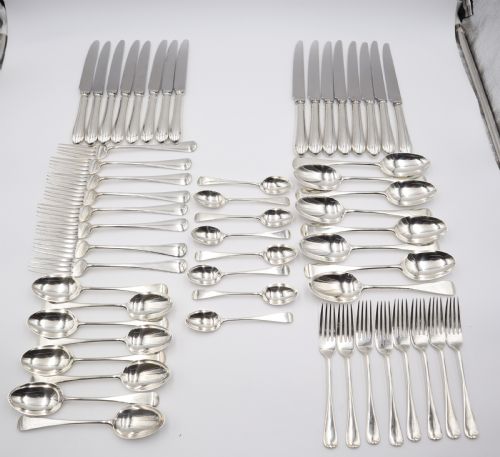
An antique silver service spans multi-piece tea and coffee sets, cased dessert suites, and complete canteens of cutlery intended for formal dining and hosting.
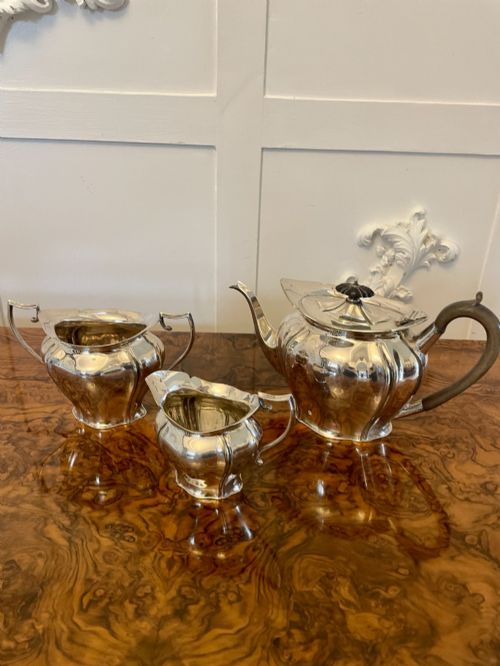
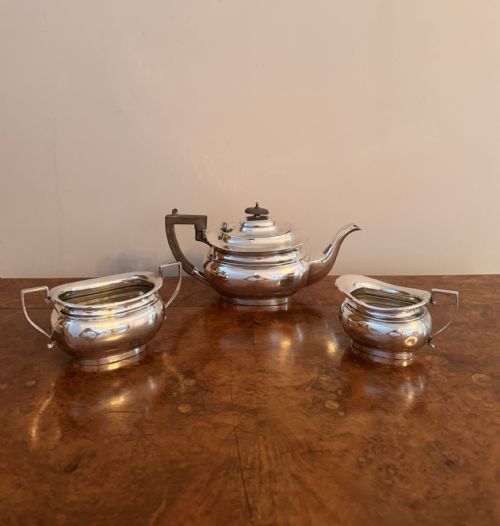
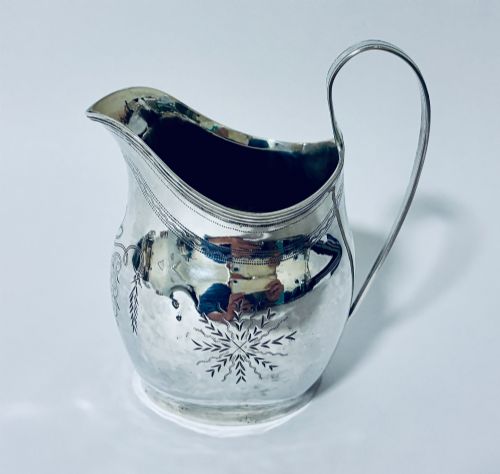
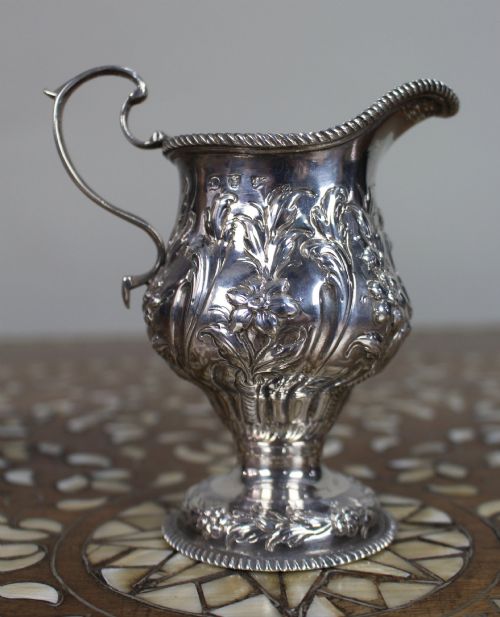
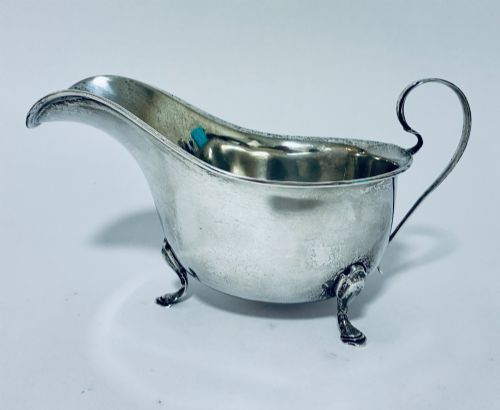
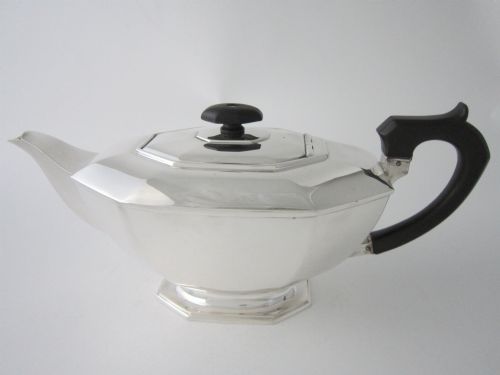
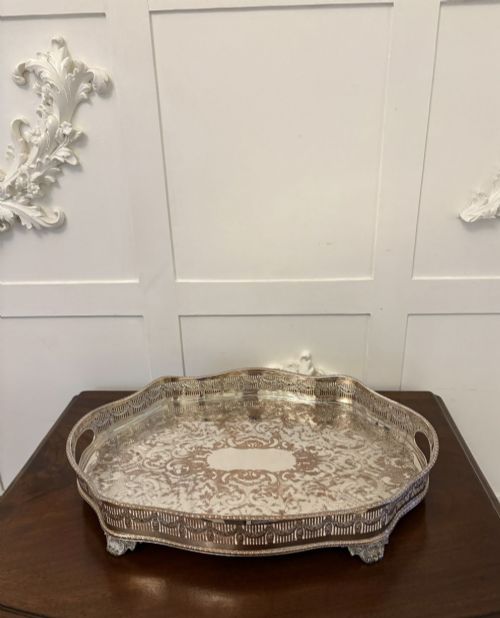
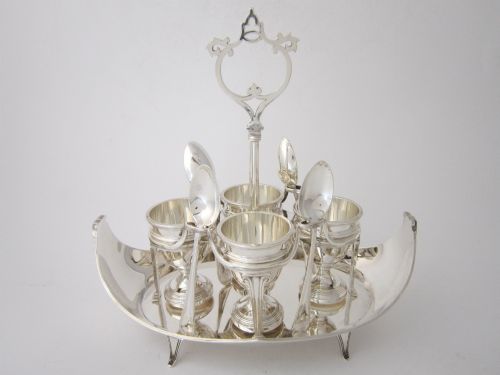
The pieces on this page range from compact Georgian bachelor teapots and Victorian cream jugs to expansive Edwardian four-piece tea and coffee suites with matching trays.
Materials and construction
Maker workshops utilised solid sterling silver and various grades of silver plate, often combining metal bodies with handles of wood or ebony to insulate against heat.
Many holloware services and flatware sets incorporate supplementary materials such as mother of pearl, agate, glass, copper, and Wedgwood jasperware ceramic inserts.
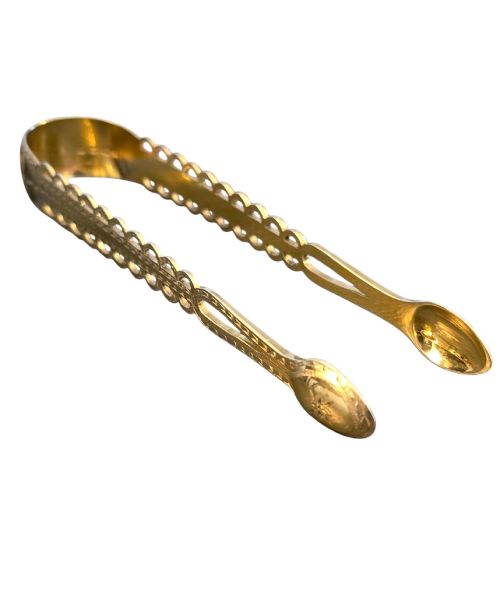
Techniques recorded across the pieces include hand chasing, engraving, embossing, and Sheffield plating over base metal foundations.
Materials represented include sterling silver, silver plate, electroplated nickel silver, copper, glass, wood, and mother of pearl.
Distinctions in quality
Quality rests upon the crispness of chased and embossed ornamentation, the structural integrity of hinged lids on teapots, and the weight of the metal utilised in construction.
Maker attribution and provincial or London hallmarks add substantial distinction, as do matched sets that retain their original fitted wooden cases and complete accessory complements.
Stalker and Mitchison·Bateman Family·Paul Storr·Walker and Hall·GEORG JENSEN·Christofle·Tiffany·SHREVE AND CO
The Antique Silver Service Glossary
- Sterling silver
- A silver alloy containing 92.5 percent pure silver and 7.5 percent other metals, usually copper, ensuring durability for tableware.
- Sheffield plate
- An early form of composite metal made by fusing a sheet of silver to a thicker copper base, characteristic of 18th and 19th-century manufacture.
- Electroplated Nickel Silver
- Base metal alloy of copper, nickel, and zinc coated with a thin layer of pure silver through electrolysis, commonly abbreviated as EPNS.
- Holloware
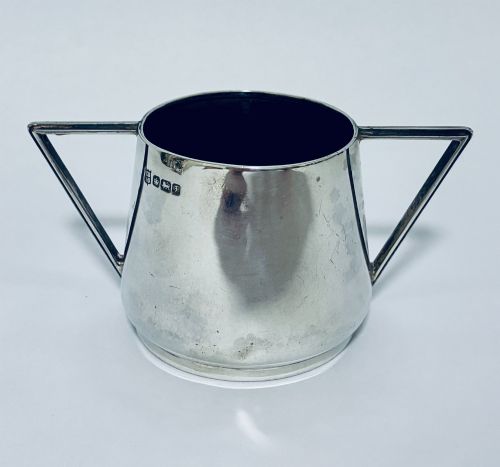
- Tableware items such as teapots, coffee pots, cream jugs, and sugar basins that possess volume and are shaped rather than flat.
- Fiddle pattern
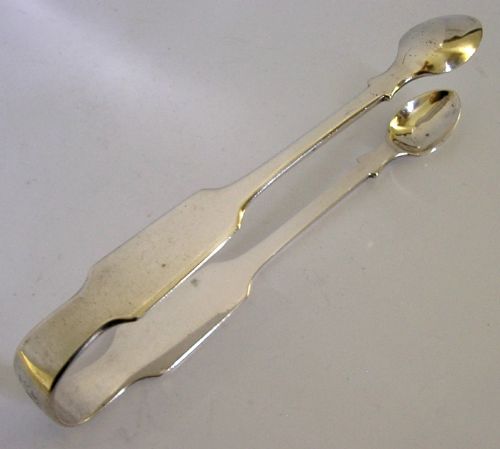
- A traditional 19th-century flatware handle design featuring a distinctive tapered shape resembling a violin.
Antique Silver Service: Frequently Asked Questions
What pieces belong in a tea service?
A standard tea service comprises a teapot, a cream jug, and a sugar basin, occasionally accompanied by a matching hot water kettle or tray.
Larger configurations often expand to include a coffee pot and dedicated slop basin, forming a unified four or five-piece suite.
How do I care for silver tableware?
Wash silver pieces by hand using warm water and a mild, non-abrasive liquid soap, drying them immediately with a soft cloth to prevent water spots.
Store items in tarnish-resistant cloths or fitted wooden cases away from direct sunlight and damp environments.
How can I date silver pieces?
British silver typically bears hallmark stamps that include a date letter indicating the exact year of assay, alongside town marks and maker initials.
Stylistic cues such as Neoclassical shapes, Art Deco geometric lines, or Victorian chasing further help narrow down the period of manufacture.
Is silver plate durable for daily use?
Silver-plated items withstand regular use provided they are cleaned gently without harsh abrasive compounds that wear down the thin outer layer of silver.
Heavily plated pieces from established makers retain their finish over generations if treated with basic household care.