



Antique Silver Sculptures
Antique silver sculptures bring animalier studies, dancers and aviator trophies together in solid metal, marble and bronze.
Antique Silver Sculptures
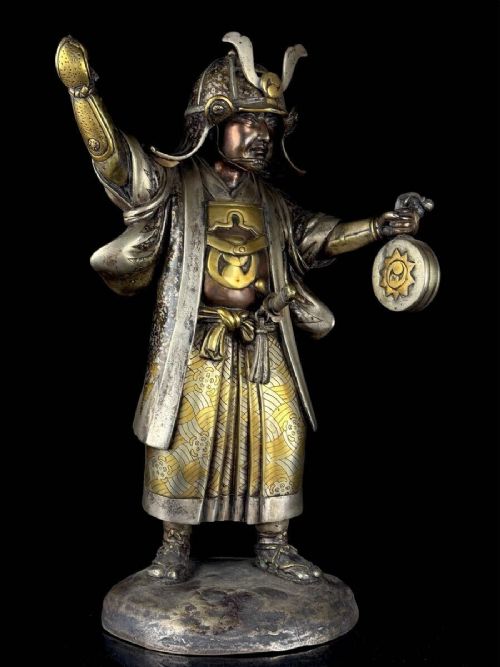
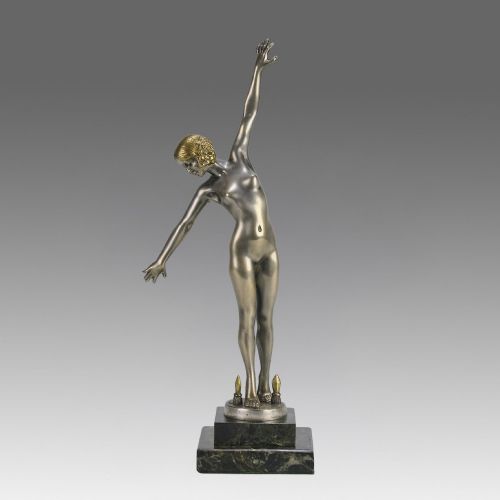
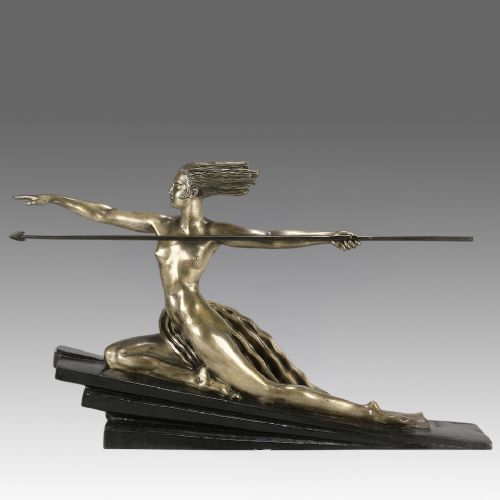
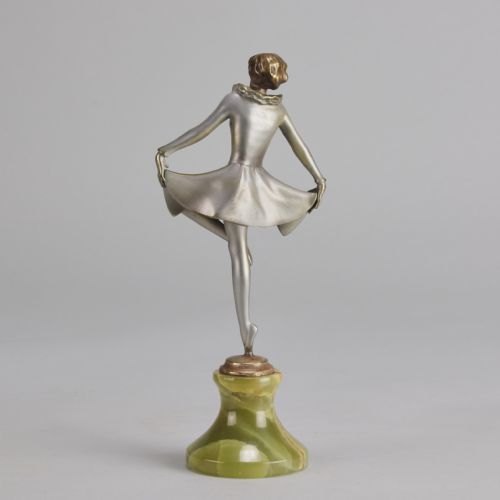
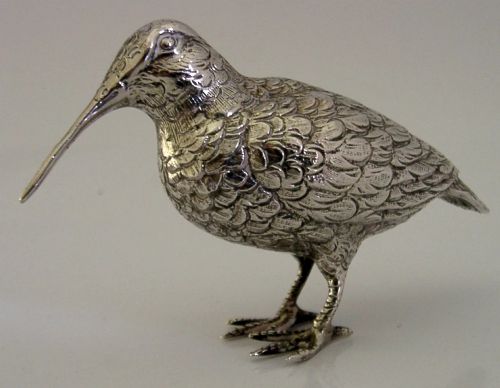
Antique silver sculptures encompass table ornaments, desk accessories and figures modelled after animals, figures and machinery. When exploring antique silver sculptures, expect to encounter sterling silver birds, Edwardian desk pieces and Art Deco dancers.
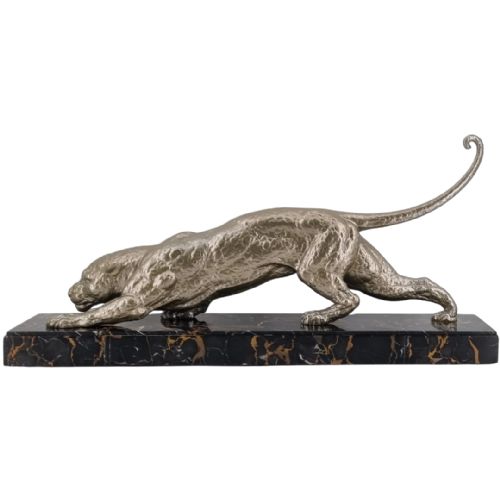
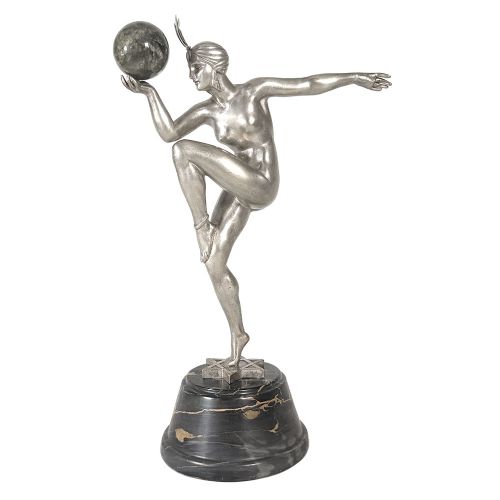
The selections span Victorian animal studies to mid-century aviation models and continental animalier bronzes. Makers cast these works in sterling silver, silvered bronze, solid silver and spelter, often mounting them on marble, onyx or wood bases.
How they were made
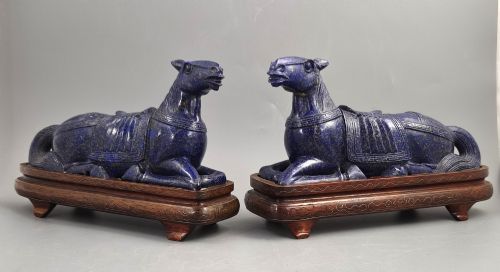
Foundries cast these sculptures using traditional methods like lost-wax casting in bronze, silver and spelter, occasionally applying cold-painted finishes or silvering to the metal surface. Artisans combined metalwork with carved elements such as ivory, lapis lazuli, jade and marble bases.
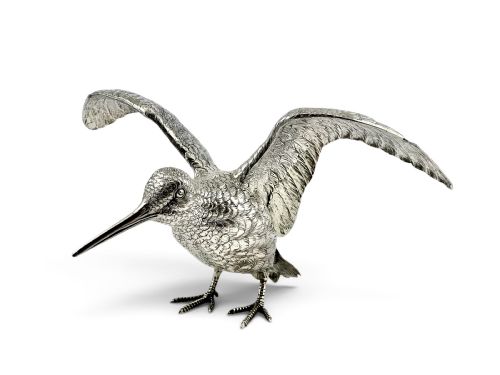
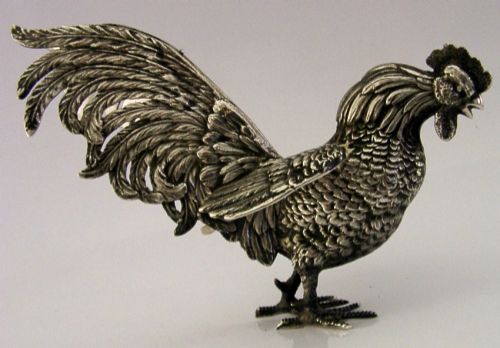
Silversmiths hammered, cast and chased solid sterling silver to create intricate bird and animal figures, marking them with hallmarks for cities like London. Makers also utilised aluminium and copper alloys alongside wood and onyx for structural mounts and novelty desk ornaments.
Antique Silver Sculptures Retail Price Guide 2026
Typical asking prices for silver sculptures among the pieces listed under this phrase on Sellingantiques today, from the lower quarter to the upper quarter. They describe what is for sale here now, not the wider market.
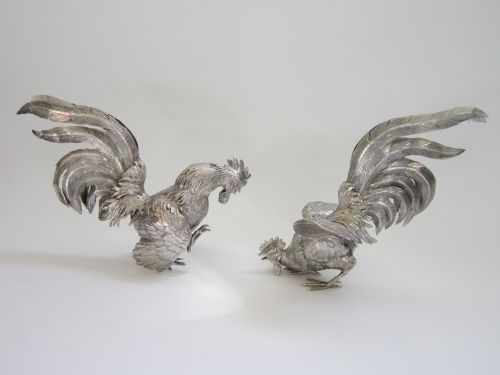
Keep an eye out for silver fighting cockerels mid-spat, ready to defend the desk from errant paperwork.
What varies in quality
The standard of a sculpture rests upon the crispness of the chasing, the weight of the silver or bronze, and the integrity of the original cold-painting. Superior examples retain their intricate surface detail without smoothing from over-cleaning.
The quality of the base material - whether veined marble, carved onyx or fitted wood - distinguishes standard items from finer commissions. Master modellers achieved greater anatomical precision and fluid posture in figures compared to simpler production casts.
D. H. Chiparus·Maurice Giraud-Rivière·Tom Mackie·Josef Lorenzl·Berthold Muller·Edward John Barnard·Pierre Le Faguays·Claire Jeanne Roberte Colinet·Karl Hagenaur
The Antique Silver Sculptures Glossary
- Animalier
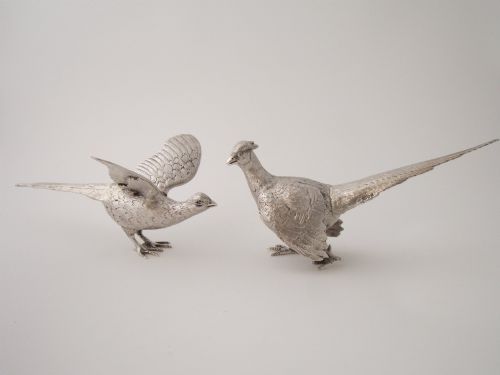
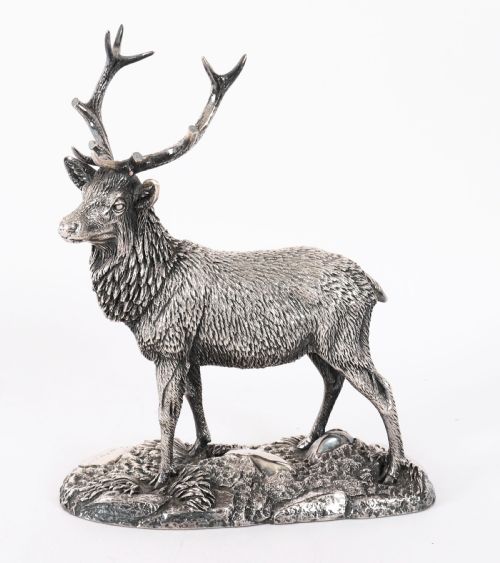
- A nineteenth-century artistic focus on the realistic portrayal of animals, particularly predators and game birds. Sculptors captured subjects like stags, hounds and pheasants in dynamic poses.
- Cold-painted bronze
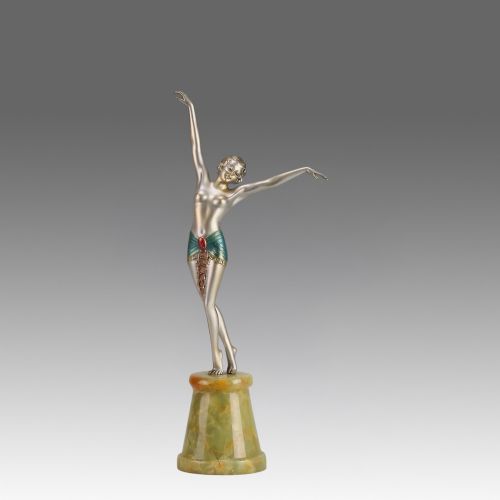
- A technique where bronze figures receive paint applications without subsequent firing in a kiln. This finish appears frequently on early twentieth-century dancer and animal models.
- Spelter
- A zinc alloy utilised as an economical alternative to bronze, particularly during the Art Deco period. Figures cast in spelter often received a bronze or silvered coating to mimic higher-value metals.
- Hallmark
- An official stamp applied to precious metals indicating the standard of purity, the assay office and the year of production. British sterling silver pieces typically carry these marks for dating purposes.
- Sterling silver
- An alloy consisting of silver and other metals, usually copper, maintaining a standardised purity of parts per thousand. Many table ornaments and animal figures utilise this metal.
Antique Silver Sculptures: Frequently Asked Questions
What periods do these sculptures cover?
The selections span from the nineteenth century through the Edwardian era and the Art Deco years of the 1920s and 1930s. Later examples extend into the mid-century twentieth period.
Craftsmen produced animal studies, dancers and novelty desk ornaments across these decades, reflecting changing artistic styles from animalier realism to modernist abstraction.
How do I identify a silvered bronze piece?
Silvered bronze combines a cast bronze core with an applied silver finish rather than solid silver construction. Examining areas of wear reveals the warmer bronze tone underneath the silver layer.
These pieces offer the visual appeal of silver combined with the strength and casting properties of bronze, frequently seen on marble bases.
Where were these silver models displayed?
Owners placed these items on executive desks as paperweights and inkstands, or displayed them on side tables as decorative ornaments. Aviation trophies and animal figures served as presentation pieces and conversation items in domestic interiors.
Desk accessories incorporated practical elements like inkwells alongside sculpted silver figures of knights, birds and transport models.
Are spelter figures considered silver?
Spelter is a base metal alloy of zinc, distinct from solid silver and sterling silver. Figures cast in spelter were often coated to resemble bronze or silvered metal.
While spelter lacks the precious metal content of silver, it allowed makers to produce accessible sculptural figures during the Art Deco era.