



Antique Silver Preserve
These antique silver preserve items span Victorian, Edwardian, and Art Deco periods, offering functional elegance for the dining table.
Antique Silver Preserve
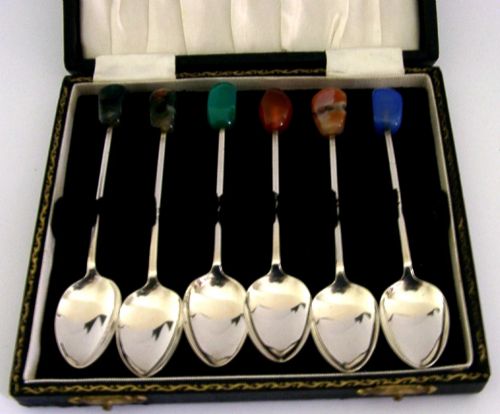
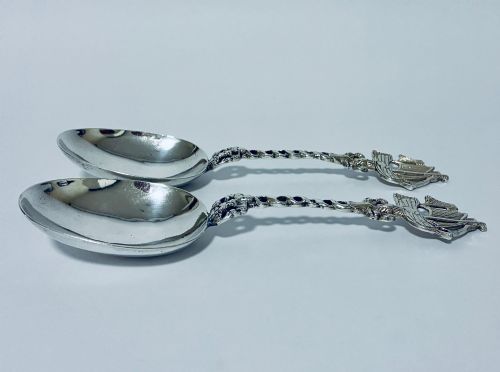
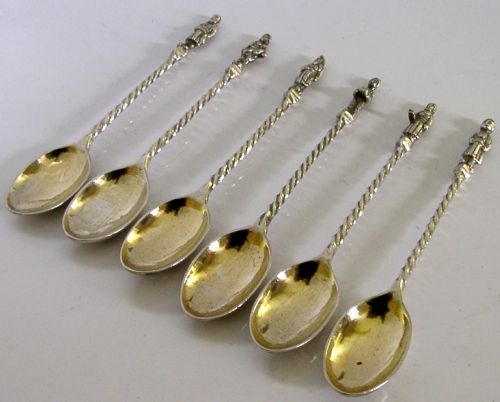
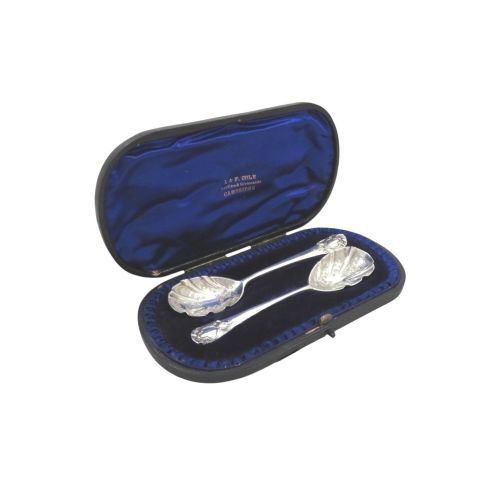
When you search for antique silver preserve, you encounter a specialised selection of dining implements and serving vessels designed for fruit preserves, jams, and condiments. These objects bridge decorative arts and practical tableside service from the nineteenth and early twentieth centuries.
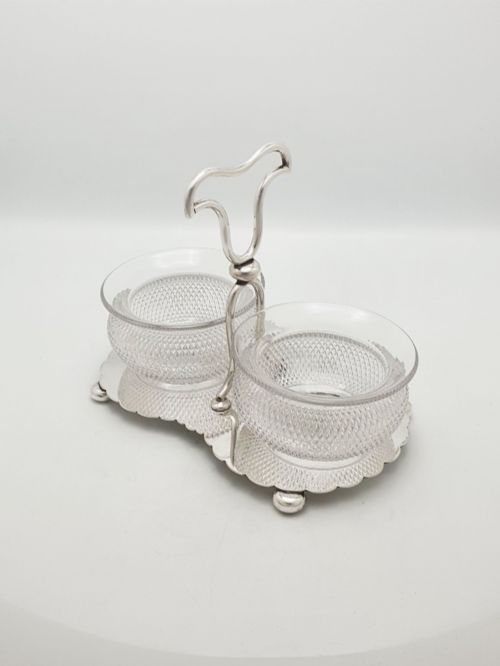
The assortment on this page leans heavily towards Edwardian and Victorian forms, alongside later Art Deco examples. You will frequently find cranberry glass bowls fitted with silver-plated stands, alongside sterling silver spoons and lidded pots.
Common utilitarian forms include preserve pots, condiment stands, and dedicated spoons. Certain pieces incorporate cut glass or Vaseline glass containers held within pierced or solid metal mounts.
Materials and methods of manufacture
Materials divide broadly between sterling silver, silver plate, and various types of glass such as cranberry, cut glass, and Vaseline glass. Metal mounts and spoons were often shaped through casting, piercing, and hammering techniques.
Glass vessels paired with these metals were frequently mould-blown or hand-cut to create geometric or floral patterns that caught the candlelight. Silver-plated items utilised a base metal substrate coated in a thin layer of silver through electroplating.
Antique Silver Preserve Retail Price Guide 2026
Typical asking prices for silver preserve among the pieces listed under this phrase on Sellingantiques today, from the lower quarter to the upper quarter. They describe what is for sale here now, not the wider market.
Several preserve pots take the literal form of an apple, blending fruit preservation with botanical mimicry.
Distinguishing quality in craftsmanship
Quality rests upon the weight of the silver, the crispness of any engraved or pierced decoration, and the integrity of the glass inserts. Heavier gauge sterling silver and well-defined hallmarking indicate superior production standards compared to lighter plated alternatives.
The refinement of the glasswork also matters, where deeply cut facets or rich, unclouded cranberry colouring signal higher grade manufacture. Maker attribution to notable workshops further elevates the standing of individual items.
Hukin and Heath·Amy Sandheim·Adie Brothers·Whiting Co·Heath and Middleton
The Antique Silver Preserve Glossary
- Sterling silver
- A silver alloy containing 92.5 percent pure silver and 7.5 percent other metals, usually copper, ensuring structural durability for tableware.
- Silver plate
- A base metal object coated with a thin layer of silver, introduced widely in the nineteenth century to offer affordable luxury.
- Cranberry glass
- A rich red-pink glass produced by adding gold chloride to the molten batch, popular during the Victorian and Edwardian eras.
- Hallmark
- A series of official marks stamped on precious metals indicating the standard of purity, the assay office, and the date of production.
- Pierced work
- A decorative technique where metal is cut through to create openwork patterns, frequently seen on baskets and spoon bowls.
Antique Silver Preserve: Frequently Asked Questions
How do I identify cranberry glass?
Cranberry glass displays a distinctive red-pink hue derived from the inclusion of gold during the glassmaking process. It ranges from pale pink to deep ruby tones and often forms the bowls in condiment sets.
These glass inserts sit inside pierced silver-plated or solid silver frames. Their vibrant colour made them a favourite decorative material for late nineteenth-century dining tables.
How are these pieces dated?
Dating relies heavily on official hallmarks stamped into the metal components of sterling silver pieces. These marks reveal the assay office, the specific year of testing, and the maker.
Unmarked silver-plated items are dated through stylistic clues, manufacturing techniques, and design periods such as Art Nouveau or Art Deco. Design registration numbers where present also help narrow down the production year.
How do I care for silver and glass?
Maintenance requires gentle cleaning with warm soapy water and a soft cloth to avoid scratching the glass or wearing thin silver plate. Chemical dips should be avoided on antique silver to preserve the underlying patina.
Glass inserts should be washed separately and dried thoroughly before being returned to their metal mounts. Proper storage away from damp environments prevents tarnishing and corrosion.