



Antique Silver Pocket Tools
Antique silver pocket tools are compact personal accessories designed for utility and carried on the person, offering lasting craftsmanship.
Antique Silver Pocket Tools
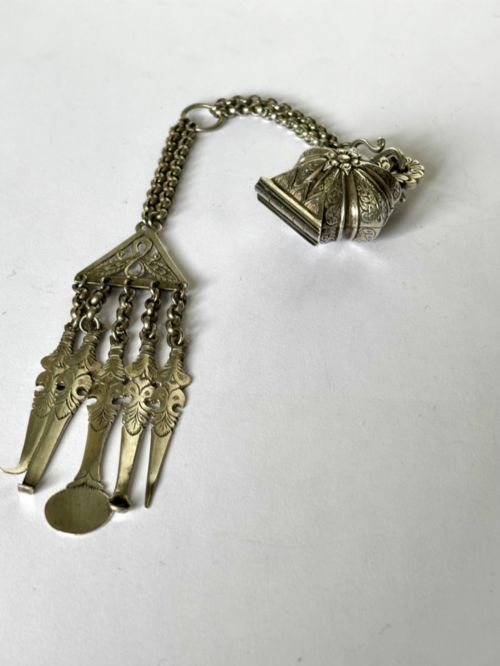
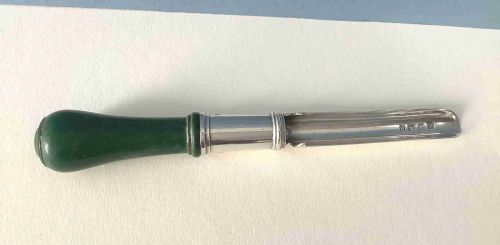
The most common examples on this page are functional objects such as folding corkscrews, apple corers, vesta cases, and chatelaines equipped with hanging tools. Each piece reflects the material culture and personal habits of past centuries.
These items originate from the eighteenth, nineteenth, and early twentieth centuries, displaying styles characteristic of Georgian restraint, Victorian elaboration, Edwardian elegance, and later utilitarian design.
How they were made
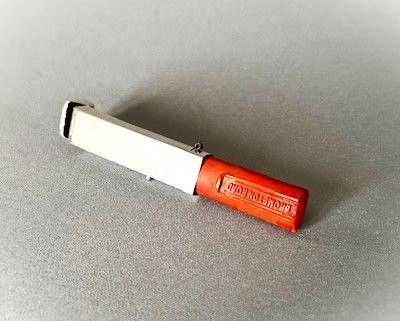
Makers utilised sterling silver and white metal for the primary casings and structural elements, often combining these with steel for functional blades and working parts. Stained bone and sealing wax appear as supplementary materials in specific combination pieces.
Techniques relied on traditional metalworking methods, involving hand forging, folding mechanisms, and secure riveting to ensure durability in daily pocket use. Precision engineering created compact multi-bladed knives and combination tools that housed multiple implements in minimal space.
The listings on this page span the Georgian, Victorian, and Edwardian periods, incorporating sterling silver, steel, and stained bone.
What varies in quality
Quality in these implements is determined by the precision of the mechanical joints and the integrity of the folding actions. Superior examples maintain firm blades and tight closures without looseness in the mechanism.
The sophistication of the design also dictates the standard of the piece, separating standard utility items from elaborate combination tools that integrate multiple functions like vesta cases and sealing wax holders into a single casing.
Jowika·Asprey
The Antique Silver Pocket Tools Glossary
- Etui
- A small ornamental case used for holding needles, cosmetics, or small tools. These portable containers often housed fitted instruments for personal care or sewing.
- Vesta case
- A small pocket box designed to hold wax matches. These containers typically feature a striking surface on the base and a spring-loaded lid.
- Chatelaine
- A decorative belt hook worn from the waist with a series of suspended chains. These chains held practical household and personal accessories such as vinaigrettes and tools.
- Pipe tamper
- A small flat-ended tool used for packing tobacco into a pipe bowl. These implements were frequently combined with picks for cleaning.
- Tinder tube
- A small cylindrical container used for holding tinder in fire-starting. These portable tubes were essential accessories before the widespread availability of matches.
Antique Silver Pocket Tools: Frequently Asked Questions
What are antique silver pocket tools?
These items are small personal implements made from silver and steel, designed to be carried easily in a pocket or worn on a chatelaine for daily tasks.
They encompass a wide variety of functional objects, including corkscrews, apple corers, pipe tampers, and multi-bladed folding knives from past centuries.
How were pocket tools used?
People carried these implements to assist with everyday requirements, such as opening wine bottles, preparing fruit, lighting pipes, or tending to correspondence.
Many pieces combined multiple functions into a single compact body to maximise convenience for the traveller or gentleman of the period.
How do I date a silver pocket tool?
Dating relies on stylistic clues, manufacturing techniques, and any accompanying hallmarks stamped onto the silver components. Georgian pieces often show simpler restraint, while Victorian and Edwardian examples incorporate more complex mechanisms and decorative engraving.
Specific forms like tinder tubes or specific combination pieces also point to the prevailing technology and habits of their respective decades.
How should I care for silver pocket tools?
Silver components benefit from gentle cleaning with a soft cloth to preserve the metal surface and any historical patina. Care must be taken around steel blades and stained bone elements to prevent moisture damage.
Storage in a dry environment protects the moving parts of folding knives and corkscrews from unnecessary wear.