

Antique Silver Plated Holders
Antique silver plated holders bring functional elegance to the table, taking forms from candelabras and wine coasters to toast racks.
Antique Silver Plated Holders
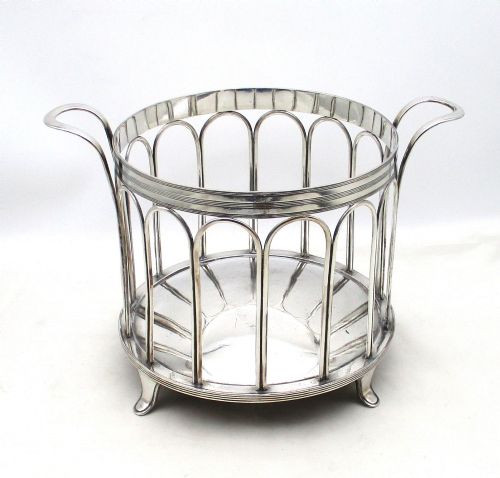
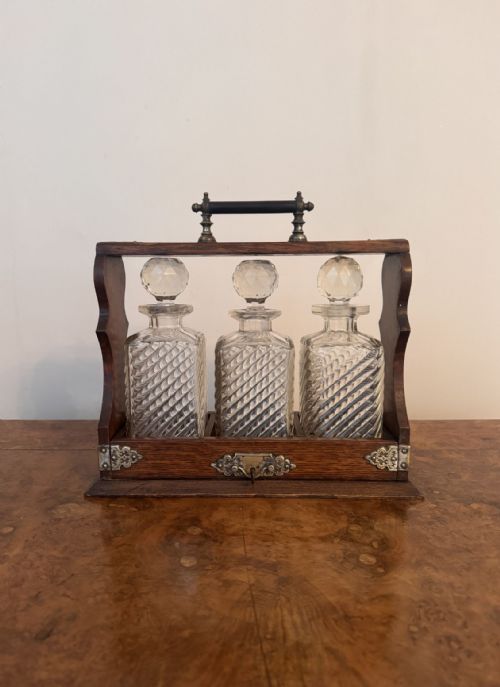
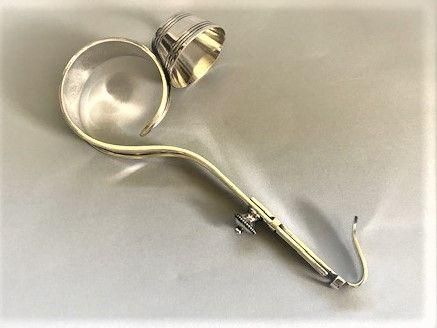
When buyers search for antique silver plated holders, they encounter a diverse range of domestic metalwork designed for dining, lighting, and display. The selection spans utilitarian items like toast racks, napkin rings, and knife rests alongside grander table pieces such as wine coolers, bottle stands, and cruet sets.
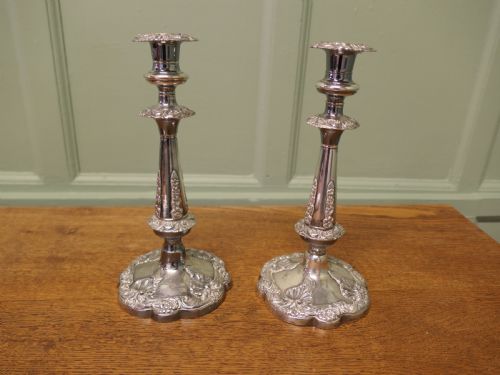
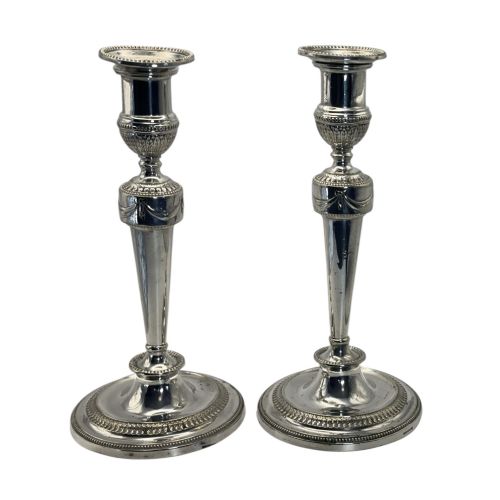
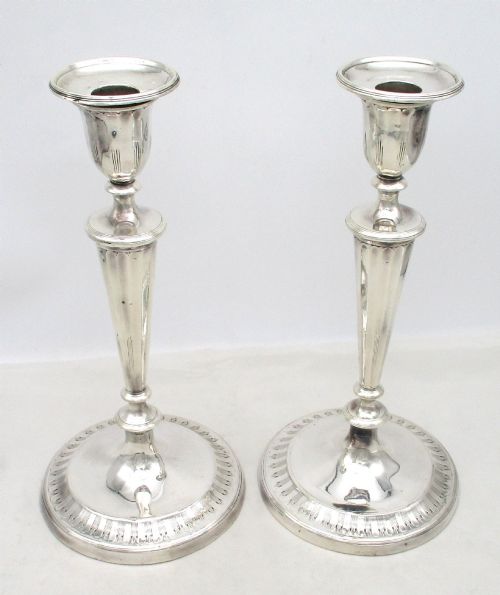
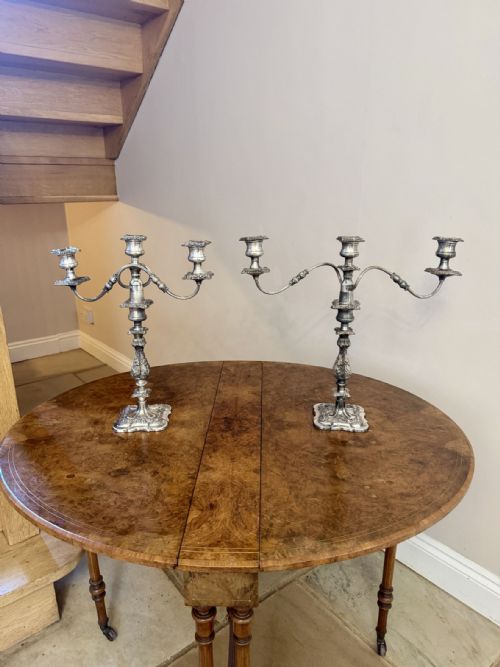
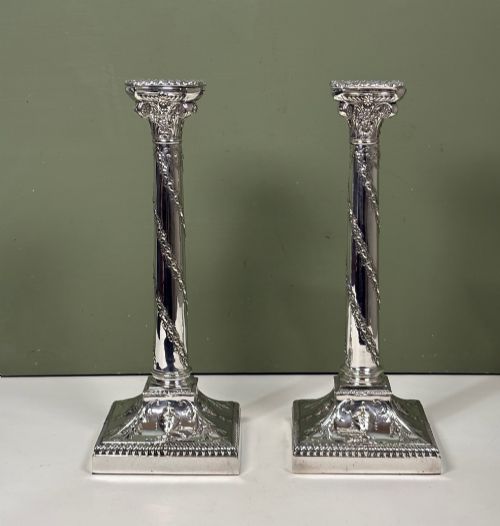
Lighting apparatuses dominate the category, frequently appearing as pairs of candlesticks, chambersticks, and multi-light candelabras. These objects originate primarily across the nineteenth and early twentieth centuries, drawing on Georgian, Victorian, and Edwardian periods.
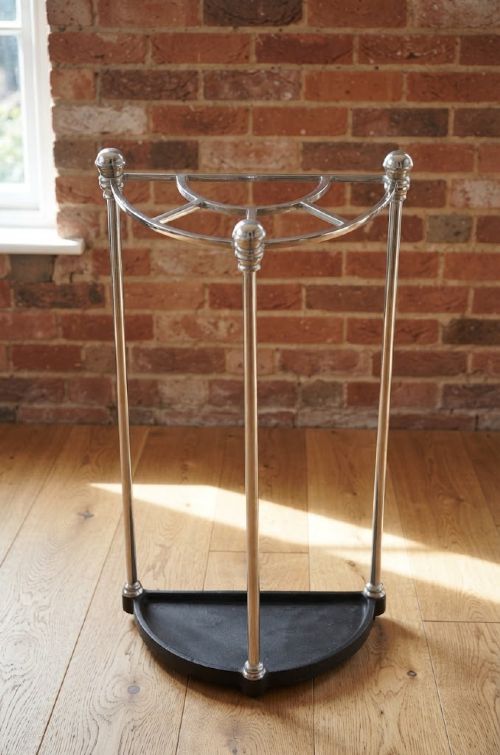
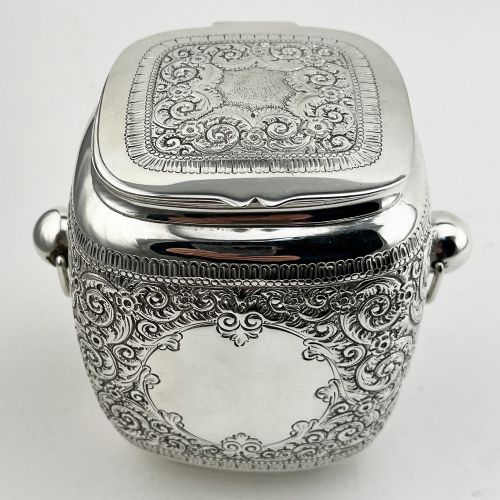
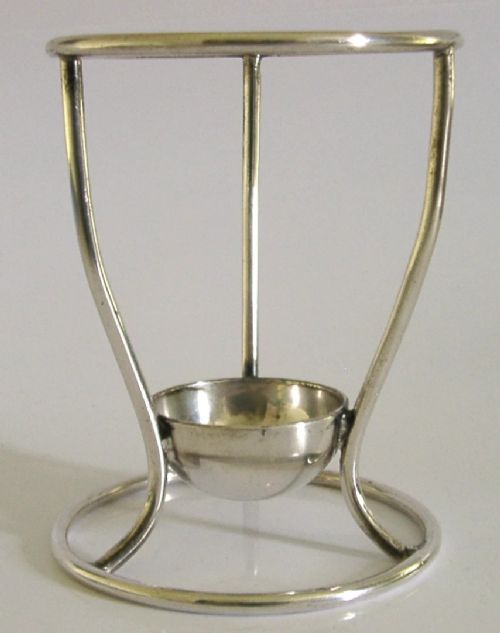
The assortment also encompasses specialised domestic items including spoon warmers, tea caddies, umbrella stands, and spill vases. Most examples reflect British manufacturing traditions from prominent regional workshops and silversmiths.
How they were made
Makers utilised base metals such as copper, brass, and nickel silver as foundations for applying a layer of silver. Early items often employed Old Sheffield Plate, a technique fusing a thin sheet of silver to a thicker copper core.
Subsequent nineteenth-century advancements introduced electroplated nickel silver, allowing an even coating of silver to be deposited via an electrical current. Surface ornamentation was achieved through casting, embossing, gilding, and hand engraving.
Listings feature items spanning the 18th Century through the 1930s, utilising silver plate, copper, brass, and glass.
What varies in quality
The standard of manufacture depends heavily upon the crispness of chased or embossed details and the structural integrity of the underlying base metal. Heavier gauge metalwork and substantial weighting indicate superior foundational construction.
The durability and evenness of the silver coating dictate longevity, with higher grade pieces retaining their plating across prominent edges and handling points. Master craftsmanship shows in balanced proportions, secure joints, and the integration of maker marks from recognised workshops.
Mappin And Webb·Martin Hall And Co·Elkington·Walker And Hall·Hawksworth Eyre·Garrard And Co·Matthew Boulton·WMF·Brook And Son
The Antique Silver Plated Holders Glossary
- Old Sheffield Plate
- A composite material made by fusing a thin sheet of silver onto a copper ingot before rolling into sheets. This method predates electroplating and often reveals thin lines of copper along cut edges.
- Electroplated Nickel Silver
- A technique involving the electrolytic deposition of silver onto a nickel silver alloy base. This process became widespread during the mid-nineteenth century for mass-producing tablewares.
- Candelabra
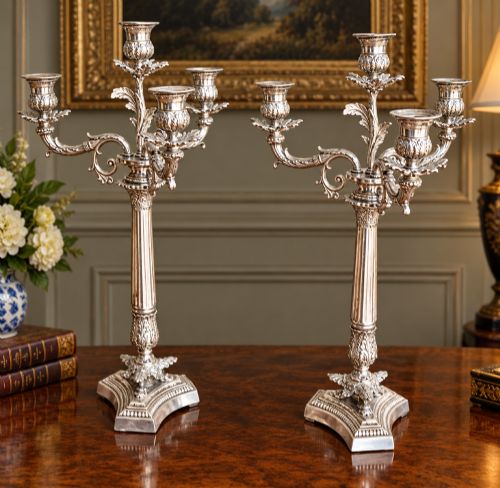
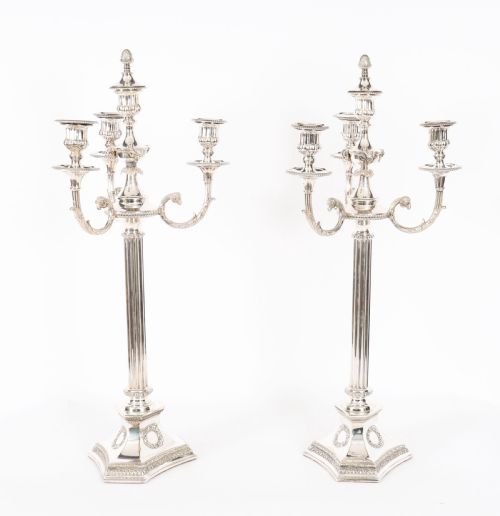
- A multi-branched lighting fixture designed to hold several candles simultaneously. These pieces often feature removable branches to convert into standard candlesticks.
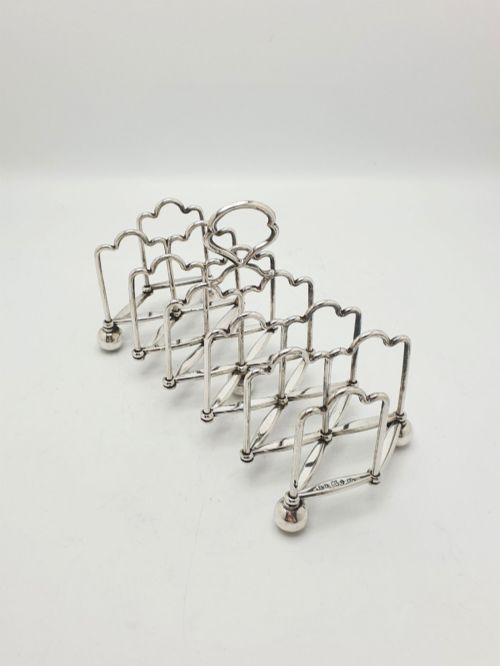
- Toast Rack
- A small table accessory featuring vertical metal divisions to hold slices of toast upright. These items date predominantly from the Victorian and Edwardian periods.
- Bottle Coaster
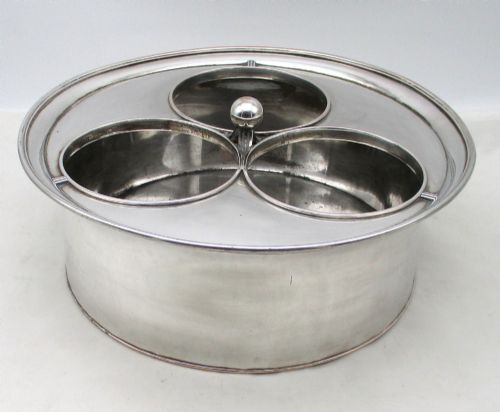
- A low circular tray, often wheeled or fitted with a wooden base, designed to hold wine bottles and protect table surfaces. Examples range from simple silver plated rims to ornate bottle holders.
Antique Silver Plated Holders: Frequently Asked Questions
What is Old Sheffield Plate?
Old Sheffield Plate is an early method of fusing silver to a copper core rather than using electricity. Items made this way often show subtle hints of copper showing through on high wear areas.
This technique produced durable domestic items before the invention of electroplating in the nineteenth century. Collectors value these pieces for their historical manufacturing process.
How do I clean silver plate?
Silver plated items require gentle cleaning with a dedicated silver polish and a soft cloth to avoid wearing away the thin metal layer. Avoid abrasive substances that can strip the plating down to the base copper or brass.
Regular light dusting helps prevent heavy tarnish accumulation. Store items in dry environments to minimise oxidation.
Are these items safe for dining?
Many antique silver plated holders, such as toast racks and napkin rings, were originally made for daily dining use. Modern owners frequently use them for their intended purposes during meals.
Care should be taken with items showing worn plating where the base metal is exposed. Hand washing is essential to preserve the remaining silver surface.
How do I date a piece?
Dating silver plated items involves examining style markers, manufacturing techniques, and maker marks stamped into the metal. Georgian designs differ noticeably from later Victorian or Edwardian ornamentation.
Reference books and maker mark registries help connect specific stamps to active production years. The transition from Sheffield plate to electroplate around the mid-nineteenth century also provides a clear chronological marker.