


Antique Silver Plate Servers
Antique silver plate servers bring dining history to the table, combining nineteenth-century craftsmanship with functional service for the modern home.
Antique Silver Plate Servers
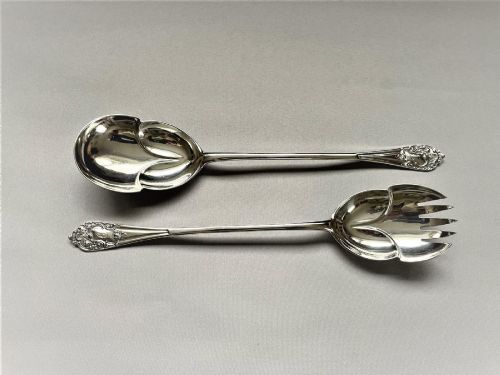
When you search for antique silver plate servers, you encounter specialised utensils designed for particular foods, notably fish, salad, and fruit. These items appear across the Victorian, Edwardian, and Georgian periods, reflecting the formal dining habits of past centuries.
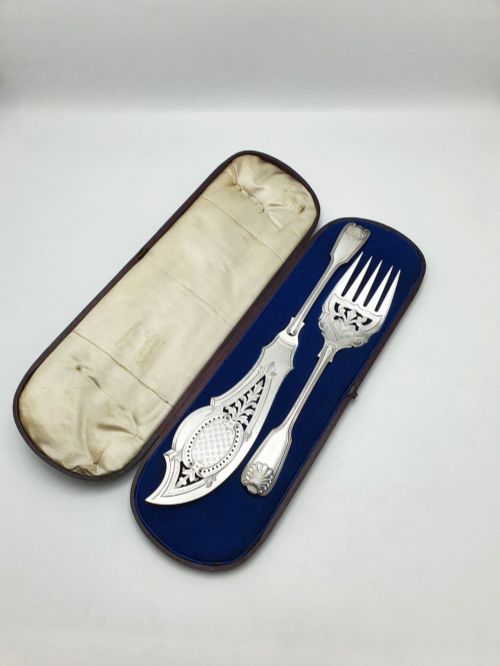
The most common versions on this page are fish serving sets and salad servers, often pairing silver-plated metal blades or tines with handles made from carved bone, ivory, antler horn, or wood. Many originate from prolific late nineteenth-century and early twentieth-century makers.
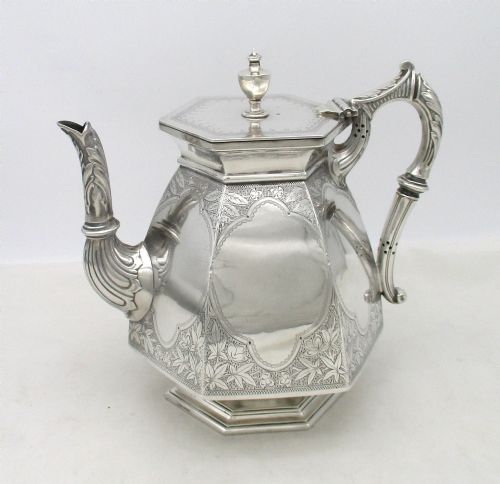
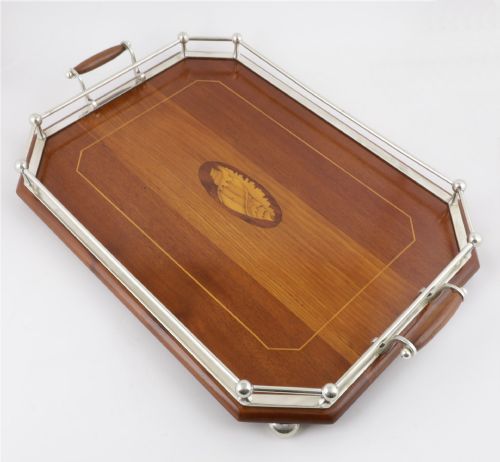
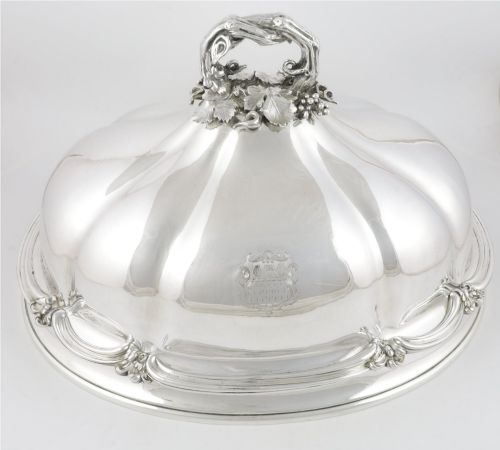
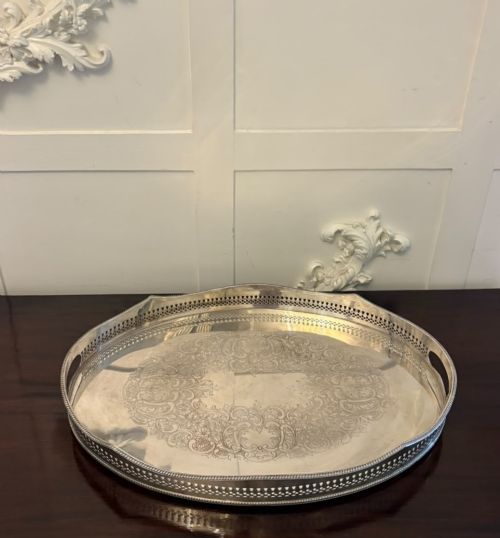
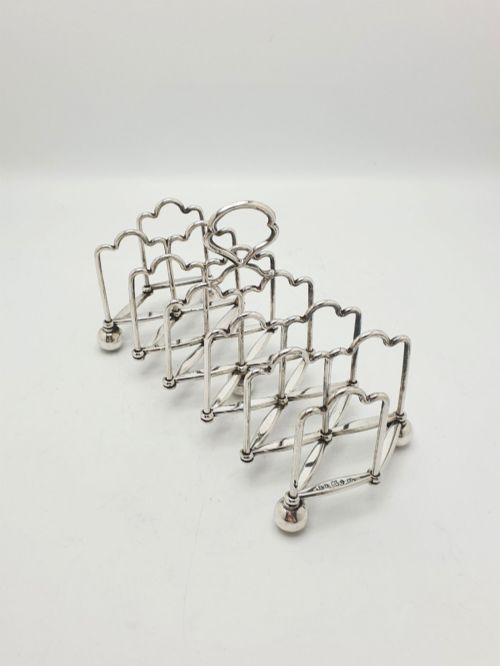
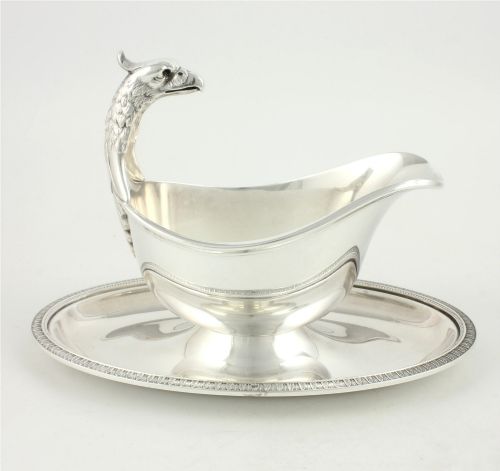
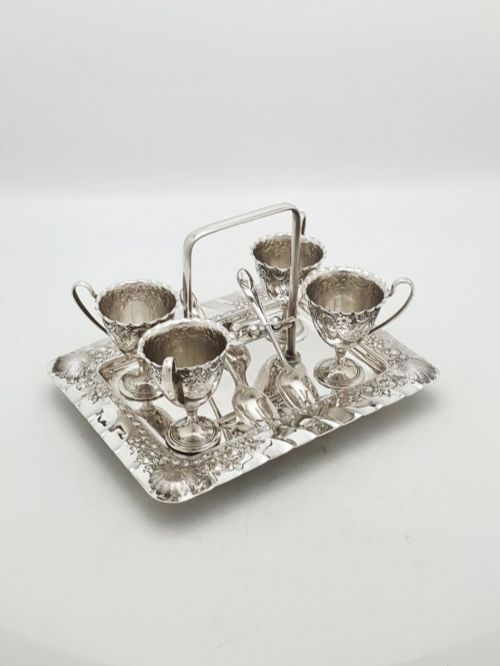
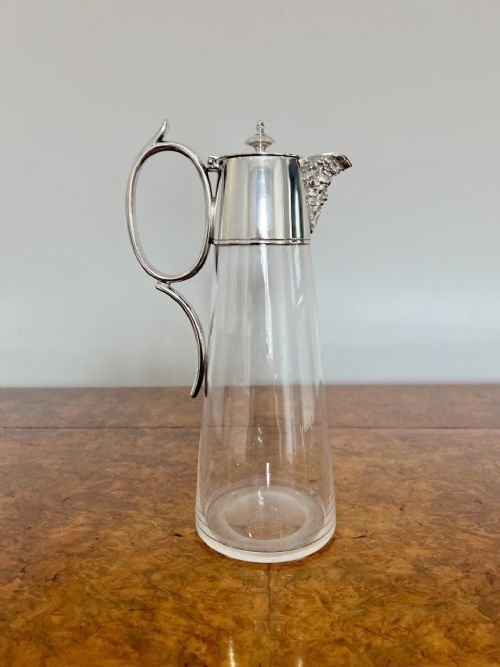
Beyond dedicated cutlery, the category encompasses larger serving implements and hollowware accessories designed to coordinate with diverse dining tables. Each piece demonstrates how functional tableware received decorative attention during periods such as the Aesthetic Movement and Art Nouveau.
How they were made
Makers utilised base metals like nickel silver or copper, applying a layer of silver through traditional plating techniques or later electroplating methods. This process provided the visual appeal of solid silver while remaining durable enough for regular table service.
Handles required different materials, combining organic elements such as carved ivory, stag antler, and polished hardwoods with the metallic working ends. Craftsmen joined these diverse components using pins and collars, ensuring the utensils withstood the pressure of serving denser foods.
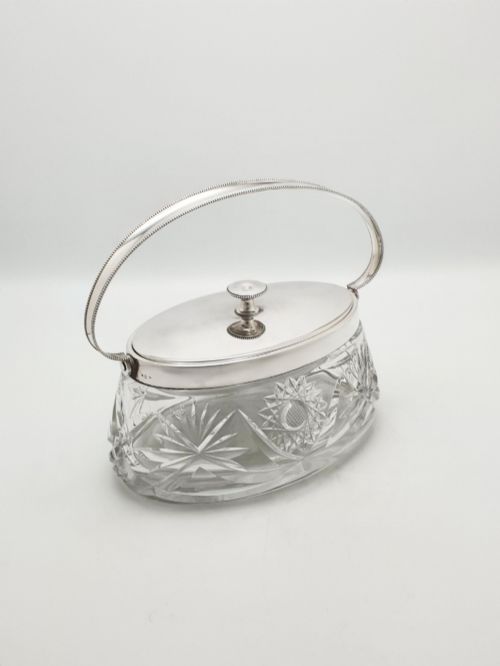
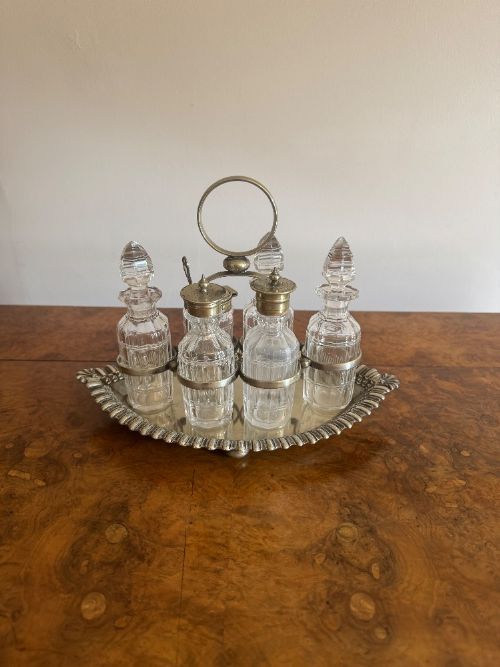
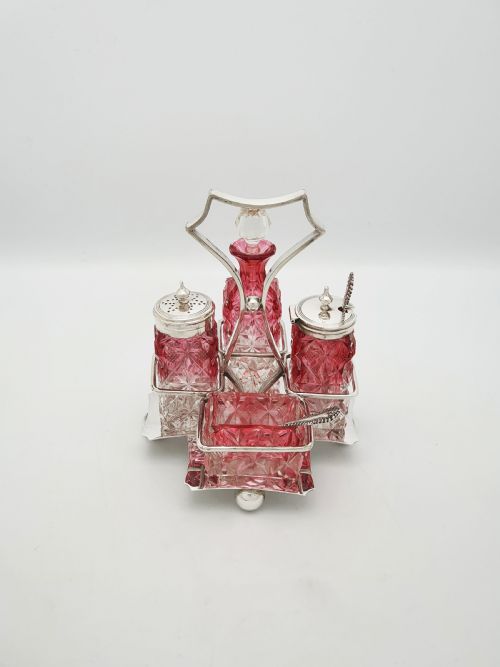
Listings feature items from the Victorian, Edwardian, and Georgian periods, incorporating materials such as cut glass, oak, and silver plate.
What varies in quality
Quality depends on the crispness of the engraved or embossed decoration on the blade and the structural integrity of the joint between handle and ferrule. Finely chased floral patterns or geometric Aesthetic Movement motifs indicate superior workshop output compared to plain, mass-produced stampings.
The grade of the underlying silver plate and the selection of handle materials also differentiate standard production items from luxury commissions. Examples featuring matched natural materials, such as genuine carved ivory or matched antler, represent the higher tiers of period manufacturing.
Roberts Cadman·Mappin and Webb·Elkington·Christofle Gallia·WMF·Walker and Hall·Thomas Bradbury·Matthew Boulton·Daniel and Arter·James Dixon
The Antique Silver Plate Servers Glossary
- Electroplated Nickel Silver
- A copper, nickel, and zinc alloy coated with a layer of pure silver via an electrical current. This technique became widespread during the nineteenth century as a cost-effective alternative to solid silver.
- Old Sheffield Plate
- An early method of fusing a thin sheet of silver to a thicker copper base before rolling them into sheets. This process predates nineteenth-century electroplating.
- Fish Servers
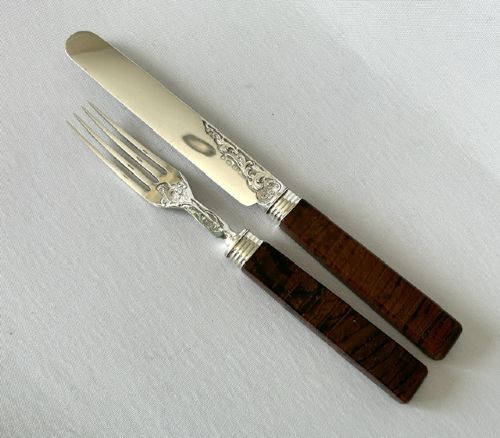
- A matched knife and fork combination specifically sized and shaped for portioning fish at the dining table. The blade is typically wide and heavily engraved with scrollwork or aquatic themes.
- EPNS
- An abbreviation commonly stamped onto nineteenth and twentieth-century tableware indicating Electroplated Nickel Silver. It denotes the metallic composition beneath the silver coating.
- Aesthetic Movement
- A late nineteenth-century design style that emphasised decorative beauty over moral or narrative purpose, often incorporating asymmetrical natural motifs. Items from this period frequently display Japanese-inspired engravings.
Antique Silver Plate Servers: Frequently Asked Questions
How do I clean antique silver plate servers?
Use a soft cloth and a specialised silver polish designed for plated items to maintain the shine without wearing away the thin metal layer. Avoid harsh chemical dips, which can strip the remaining plate and damage organic handle materials.
Store the utensils in dry conditions away from direct sunlight, preferably wrapped in anti-tarnish cloth or stored within lined presentation boxes. Regular, gentle dusting prevents heavy tarnish accumulation over time.
Can I use these servers for everyday dining?
Many antique servers remain structurally sound and suitable for occasional modern dinner parties. Hand washing is essential, as modern dishwashers use abrasive detergents and excessive heat that ruin both the silver plate and antique handles.
Bone, ivory, and wood handles require particular care to prevent cracking from prolonged exposure to water. Dry each piece thoroughly immediately after washing before storing it away.
How can I tell the period from the marks?
Manufacturers often stamped maker initials, registry marks, or abbreviations like EPNS onto the reverse of the blade or the ferrule. Researching these specific punch marks provides a reliable date range for the manufacture of the piece.
Stylistic indicators, such as the geometric lines of Art Nouveau or the heavy ornamentation of high Victorian design, also point toward specific decades. Comparing the handle material and construction style helps narrow down the era.
What is the difference between fish servers and standard cutlery?
Fish servers feature a significantly broader blade on the knife and wider, shorter tines on the fork to support delicate fish flakes. The blade often includes pierced or engraved decoration depicting marine life or foliage.
Standard dining knives and forks are designed for general cutting and lifting rather than separating delicate fish flesh from bones. This specialised shaping makes fish serving sets distinct additions to antique tableware collections.