




Antique Silver Pique
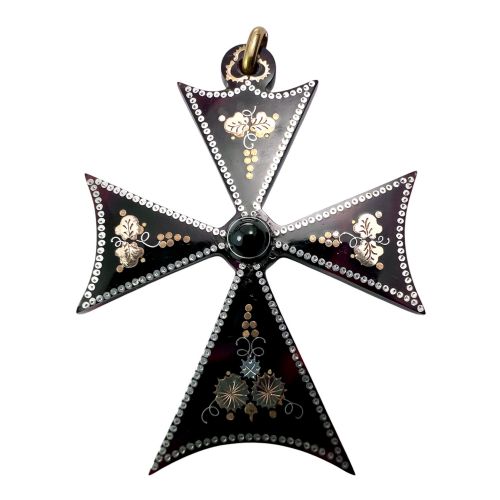
Antique silver pique brings together tortoiseshell and precious metals, offering intricate inlaid designs that catch the eye and reward close inspection.
Antique Silver Pique
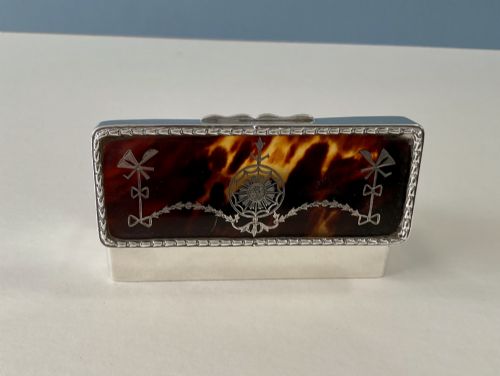
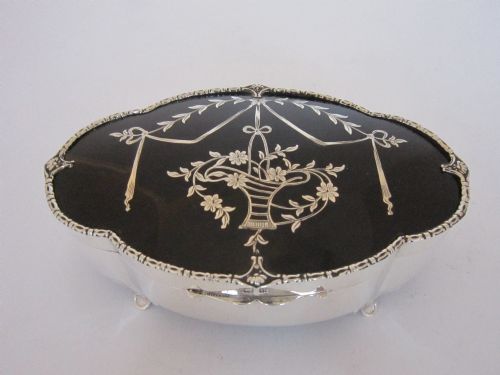
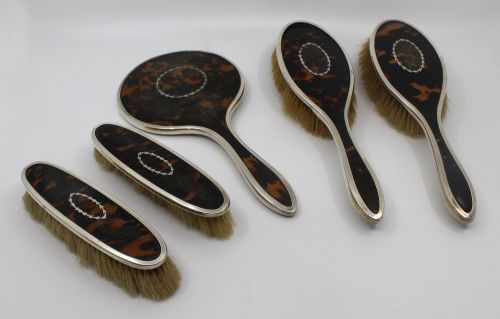
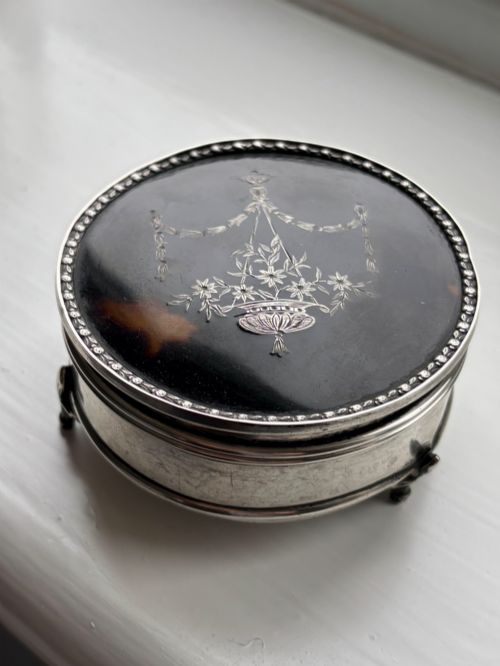
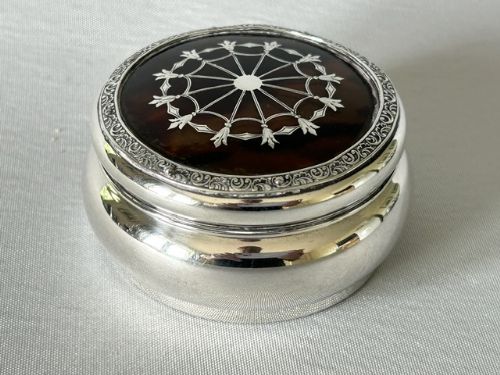
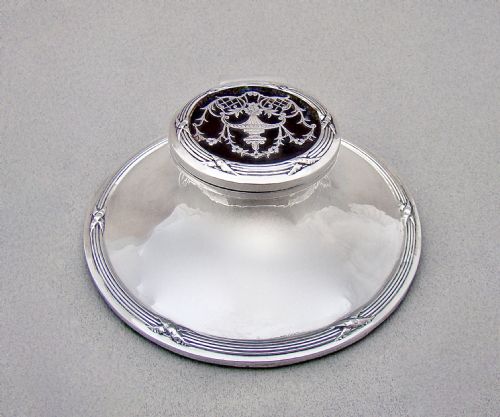
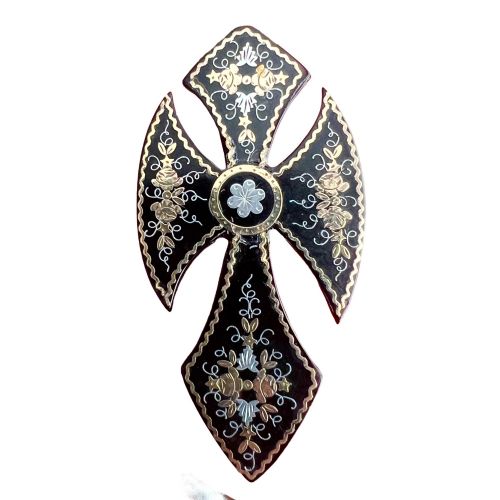
The most common forms on this page include trinket boxes, jewellery boxes, and vanity items bearing silver inlay. These objects showcase decorative patterns set into tortoiseshell or faux tortoiseshell backgrounds, spanning the Victorian, Edwardian, and Art Deco periods.
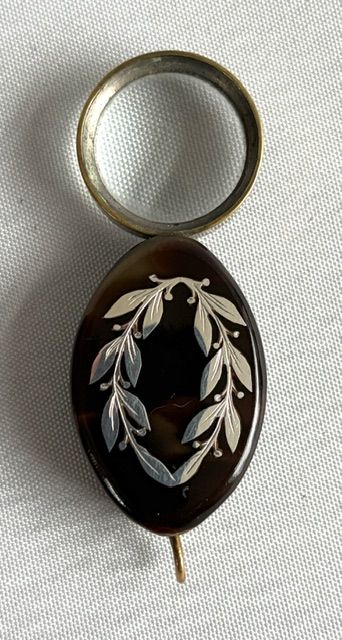
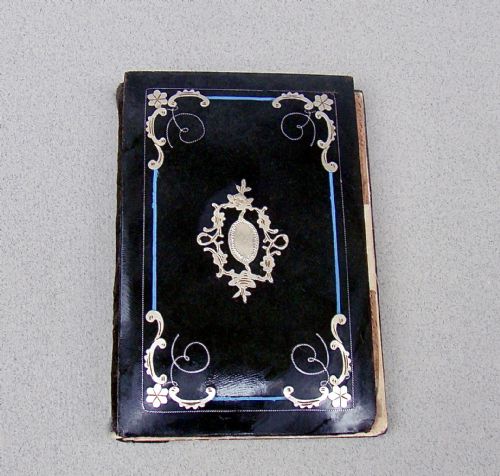
Originating largely from British and French makers, these items reflect the domestic luxuries of the nineteenth and early twentieth centuries. Pieces such as capstan inkwells, scent bottles, and aide memoires demonstrate how metalwork was integrated into everyday functional objects.
How they were made
The technique relies on pressing thin silver or gold wire and tiny cut-out platelets directly into softened tortoiseshell. Heat is applied to secure the metal inlay into the organic material as it cools and hardens.
Makers paired sterling silver or gold with genuine tortoiseshell, and later examples occasionally utilised faux tortoiseshell alongside cut crystal or onyx. Metal mounts and rope-edge borders were often added to frame the inlaid panels.
Antique Silver Pique Retail Price Guide 2026
Typical asking prices for silver pique among the pieces listed under this phrase on Sellingantiques today, from the lower quarter to the upper quarter. They describe what is for sale here now, not the wider market.
Listings feature items from the Victorian, Edwardian, and Art Deco periods, incorporating sterling silver, tortoiseshell, cut crystal, and natural bristle.
What varies in quality
The distinction between average and exceptional pieces rests on the precision and complexity of the inlay work. Finer items feature dense, perfectly aligned silver and gold motifs rather than sparse or simple geometric dots.
The condition and depth of the tortoiseshell ground also dictate overall quality, alongside the weight and substance of the sterling silver mounts and hinges used in boxes and inkwells.
Ollivant and Botsford·Henry Matthews·Asprey and Co.
The Antique Silver Pique Glossary
- Pique
- A decorative technique involving the inlay of gold or silver points and strips into tortoiseshell, ivory, or horn.
- Tortoiseshell
- A mottled brown and amber material obtained from the shell of certain turtle species, widely used in nineteenth-century decorative arts.
- Capstan inkwell
- A desk accessory shaped like a ship's capstan, featuring a wide base tapering toward the top where the ink reservoir sits.
- Aide memoire
- A small pocket notebook or memorandum tablet, often encased in decorative covers with mechanical pages for notes.
- Sterling silver
- An alloy of silver containing 92.5 percent pure silver and 7.5 percent other metals, usually copper, for durability.
Antique Silver Pique: Frequently Asked Questions
What is antique silver pique?
Antique silver pique refers to decorative items made from tortoiseshell or synthetic alternatives inlaid with fine silver and gold wire or motifs. These pieces typically date from the Victorian, Edwardian, and Art Deco eras.
Craftsmen heated the shell to embed the metal patterns securely into the surface, creating intricate geometric or floral designs that remain bright against the dark background.
How do I date these pieces?
Dating relies heavily on hallmarks stamped on the sterling silver mounts, combined with stylistic cues from the Victorian, Edwardian, and Art Deco periods. Birmingham assay marks and maker's stamps often provide precise years.
Object forms also help indicate age, as heavy capstan inkwells and aide memoires point to the nineteenth century, while vanity sets lean toward the nineteen-twenties.
Were these items used daily?
Yes, these objects were functional accessories designed for dressing tables, desks, and personal wear. Trinket boxes held rings and pins, while inkwells sat on writing desks.
Items like aide memoires and brooches were carried or worn daily as fashionable statements reflecting the personal tastes of the Victorian and Edwardian eras.
How should I care for tortoiseshell?
Tortoiseshell requires gentle handling and should be kept away from direct sunlight, extreme heat, and harsh cleaning chemicals. Light dusting with a dry microfibre cloth preserves the finish.
Because organic materials can dry out over time, storing them in stable humidity conditions helps prevent warping or cracking of the shell ground.