

Antique Silver Photo Easel
An antique silver photo easel displays portrait or landscape photographs on desk surfaces with hinged metal supports.
Antique Silver Photo Easel
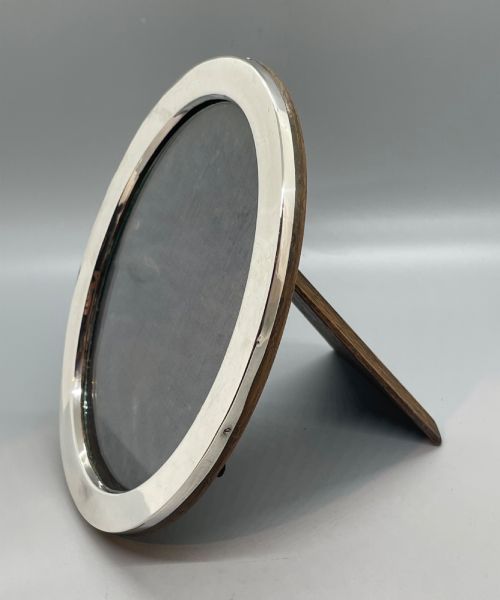
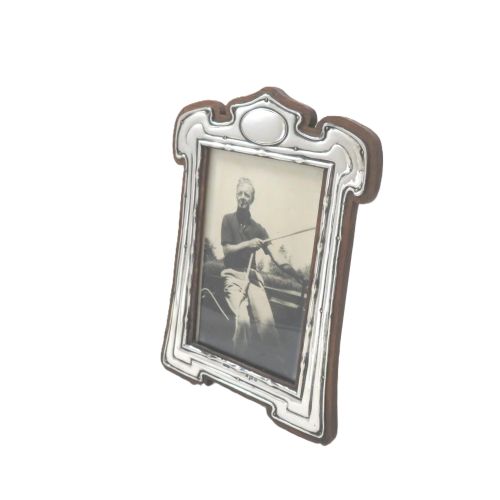
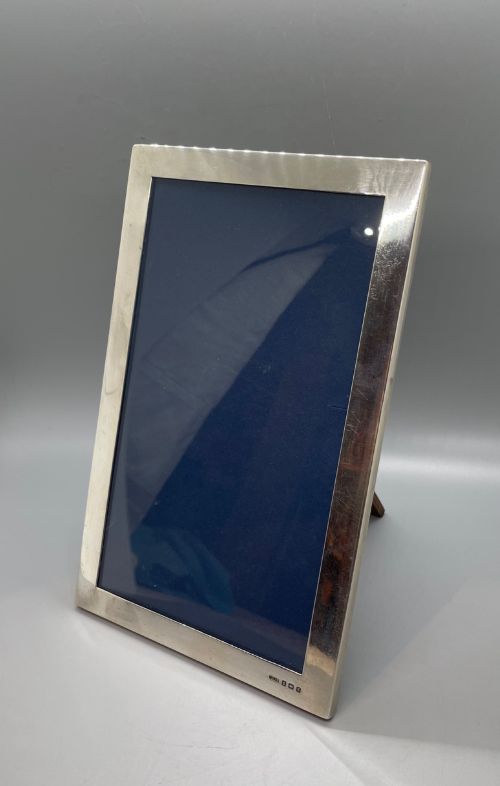
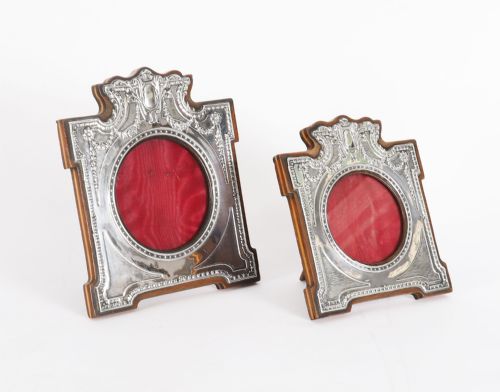
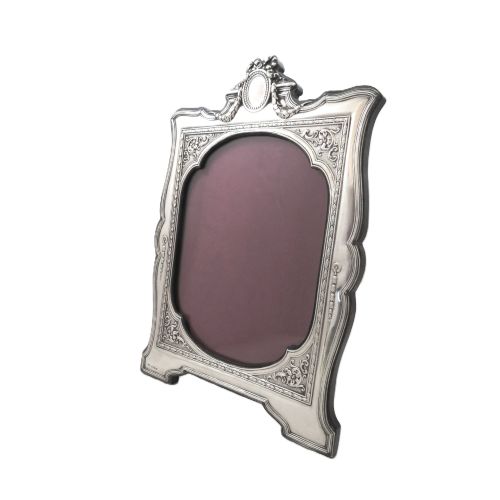
When you examine an antique silver photo easel, you are looking at framed picture holders designed to stand upright on furniture. The pieces on this page span from late Victorian and Edwardian eras through to George V and Art Deco periods, encompassing various ornamental styles.
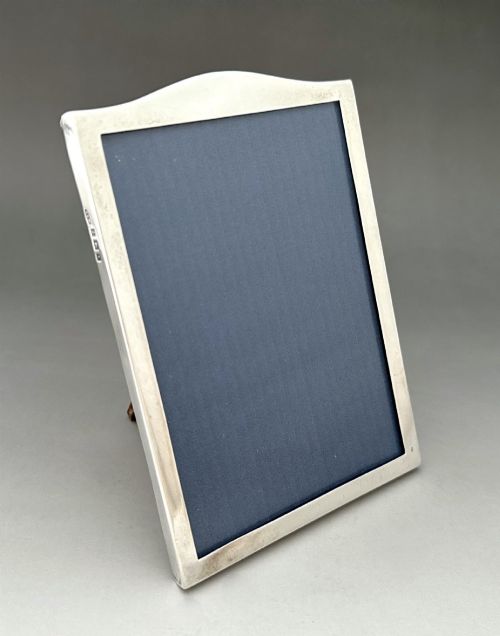
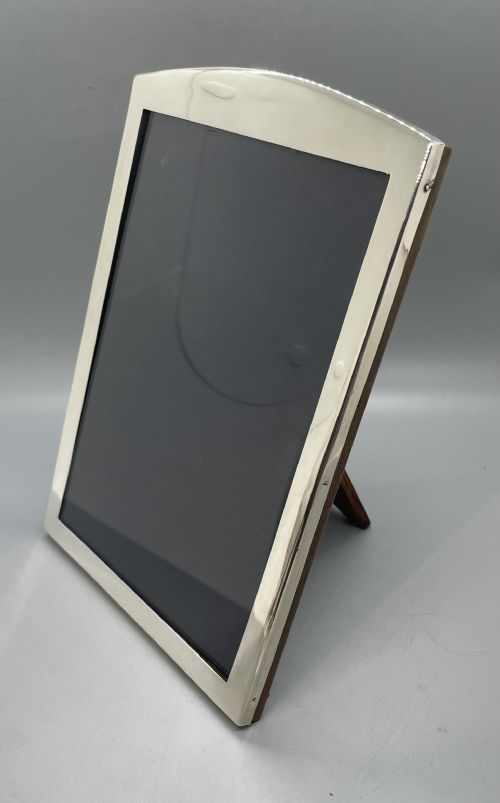
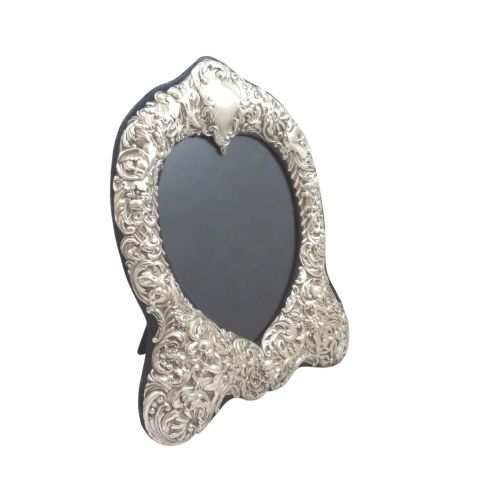
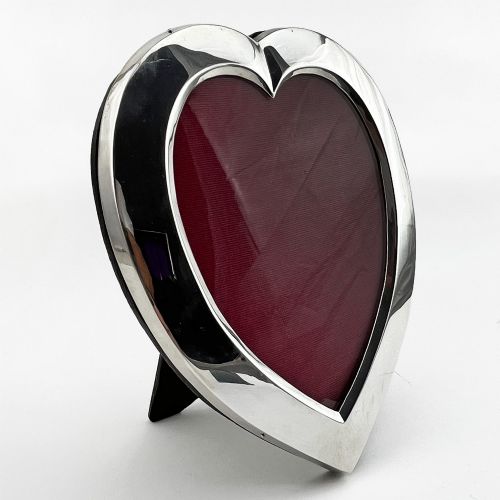
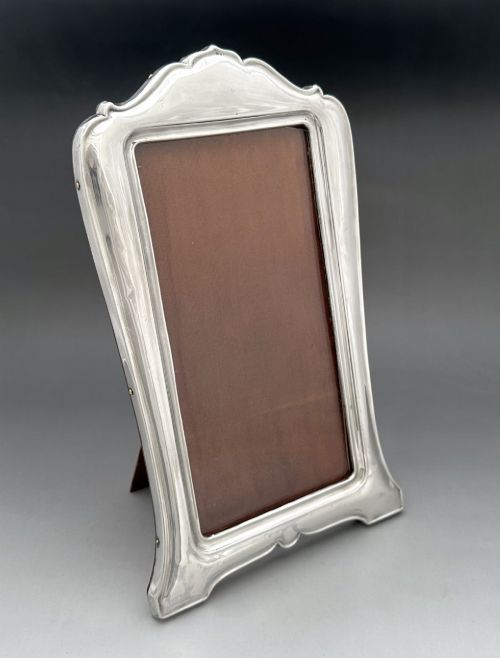
Most examples you meet here utilise sterling silver fronts mounted on structural elements such as wood or leather, backed by velvet, glass, and fabric. Forms vary from simple rectangular borders to heart shapes, ovals, and landscape orientations.
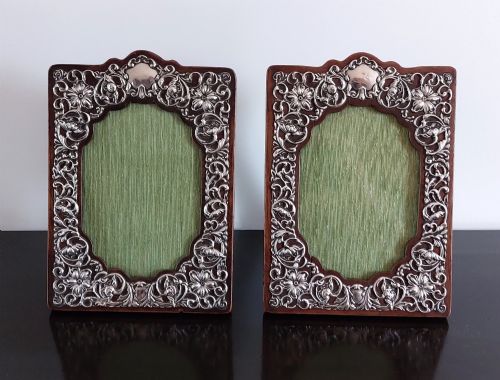
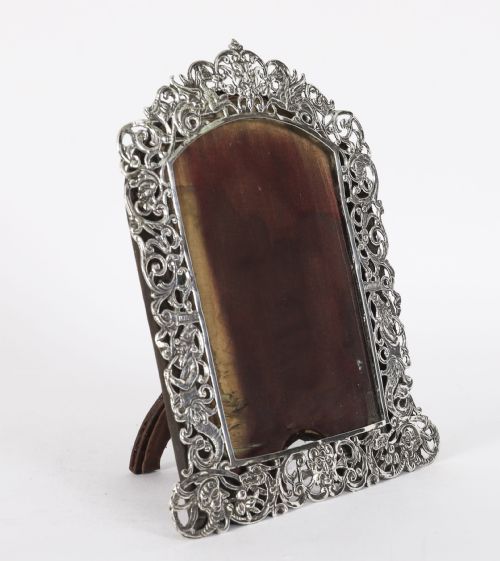
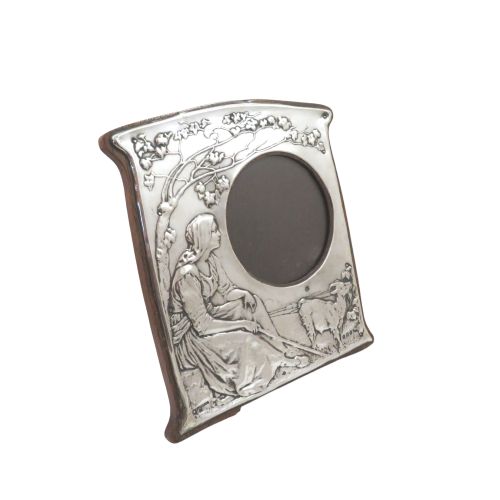
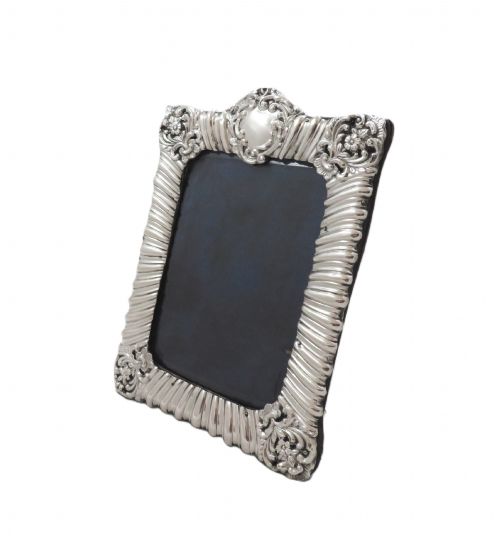
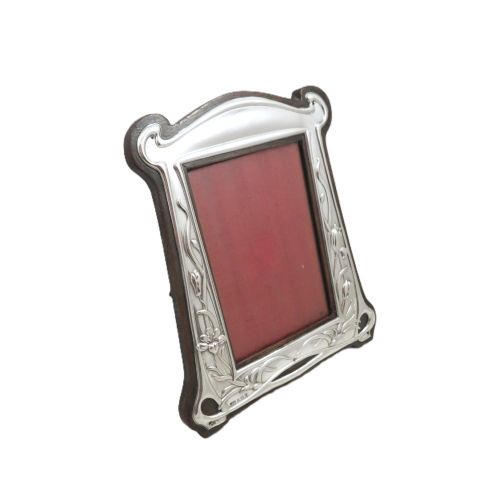
Art Nouveau and classic English designs dominate the selection, often incorporating embossed cherubs, angels, floral motifs, or plain borders. Makers utilised hallmarks from Birmingham, London, and Chester to indicate assay office origins.
How they were made
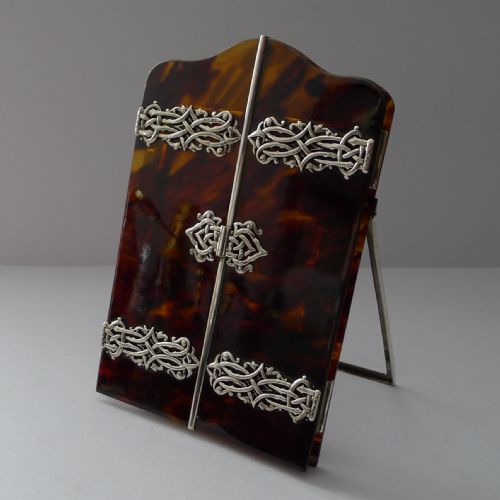
Silversmiths constructed these frames using sterling silver sheets shaped by hand or press, frequently employing embossing and chased ornamentation to create motifs such as cherubs, birds, and stylized foliage. Tortoiseshell and enamel panels sometimes provide contrasting borders.
The delicate silver front sits over a rigid wooden or leather carcass, which gives the structure stability. Fabric elements like blue or black velvet line the backing, while a hinged easel prop allows the frame to stand.
Antique Silver Photo Easel Retail Price Guide 2026
Typical asking prices for silver photo easel among the pieces listed under this phrase on Sellingantiques today, from the lower quarter to the upper quarter. They describe what is for sale here now, not the wider market.
Listings feature sterling silver combined with wood, leather, velvet, glass, enamel, silk, and tortoiseshell across multiple eras.
What varies in quality
Quality rests in the weight of the sterling silver sheet, the crispness of the embossed details, and the integrity of the structural backing materials like wood and leather. Heavy gauge silver resists denting and maintains sharper relief on chased motifs.
Makership plays a role, with established firms like William Comyns, Walker & Hall, or Mappin Bros demonstrating superior finishing on hinges, bezels, and glass retainers. Preserved velvet linings and original wooden backs elevate the integrity of a piece.
Rosenthal Jacob And Co·William Comyns·Mappin Bros·Henry Matthews·Walker And Hall
The Antique Silver Photo Easel Glossary
- Sterling silver
- A silver alloy containing 92.5 percent pure silver and 7.5 percent other metals, usually copper, ensuring durability for decorative items.
- Hallmark
- A series of official marks stamped on items to show the metal standard, assay office, and year of manufacture.
- Easel back
- A hinged leg attached to the rear of the frame that supports the piece in an upright position on a flat surface.
- Repoussé
- A metalworking technique where the silversmith shapes the design from the reverse side by hammering.
- Bezel
- The grooved rim or collar that holds the glass pane and photograph securely within the frame.
Antique Silver Photo Easel: Frequently Asked Questions
How do I clean an antique silver photo easel?
Use a soft microfiber cloth specifically formulated for silver to gently remove tarnish from the embossed areas. Avoid harsh liquid dips that damage backing materials like velvet, wood, and glass.
Keep the cleaning cloth away from organic elements such as tortoiseshell or enamel panels. Gentle maintenance preserves the original hallmarks stamped into the sterling silver frame.
How do I replace a photograph inside the frame?
Slide or unlatch the small metal tabs holding the backing board in place against the wooden or leather support. Carefully lift out the velvet-covered backing and the glass pane.
Position your photograph behind the glass and reassemble the layers inside the silver bezel. Ensure the easel prop functions correctly before placing the frame back on a desk.
What periods do these silver photo frames come from?
The pieces span from late Victorian and Edwardian eras into the George V and Art Deco periods. You will find distinct design shifts from ornate embossed cherubs to cleaner, plain borders.
Assay office hallmarks stamped on the silver help confirm the exact year of manufacture. Stylistic markers such as flowing Art Nouveau lines also indicate the decade.
Are the backing boards and stands original?
Many examples retain their original wooden or leather backing boards lined with silk or velvet. These components support the hinged easel stand that keeps the frame upright.
Inspect the fixings where the prop attaches to the backing for signs of period repair or replacement. Original fittings contribute to the historical integrity of the piece.