





Antique Silver Miniature Table
These antique silver miniature table items are small, finely wrought display pieces that bring domestic detail into cabinet collections.
Antique Silver Miniature Table
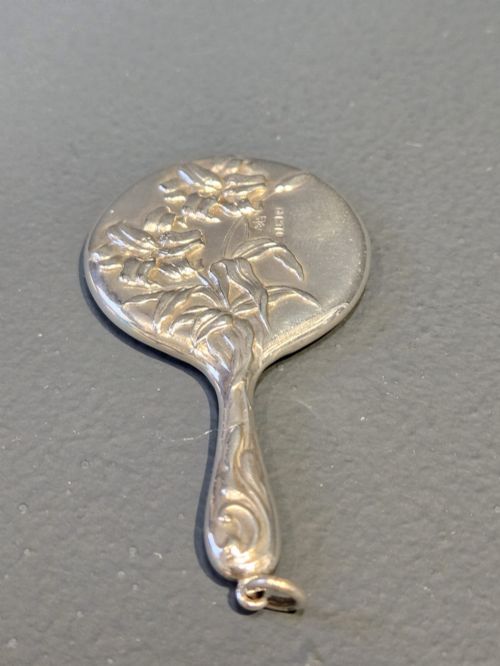
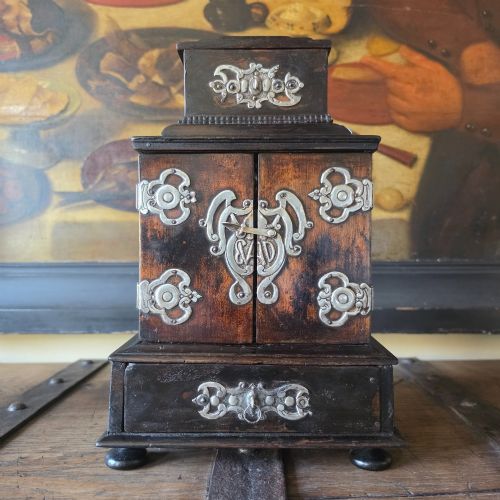
An antique silver miniature table sits among small-scale domestic models, novelty desk accessories, and diminutive display objects created across the nineteenth and twentieth centuries. The selection includes Continental silver pieces, English sterling items, and dolls house furniture designed with careful attention to proportion. Buyers often encounter pieces shaped as tables, dressing furniture, and novelty models originating from English and European workshops.
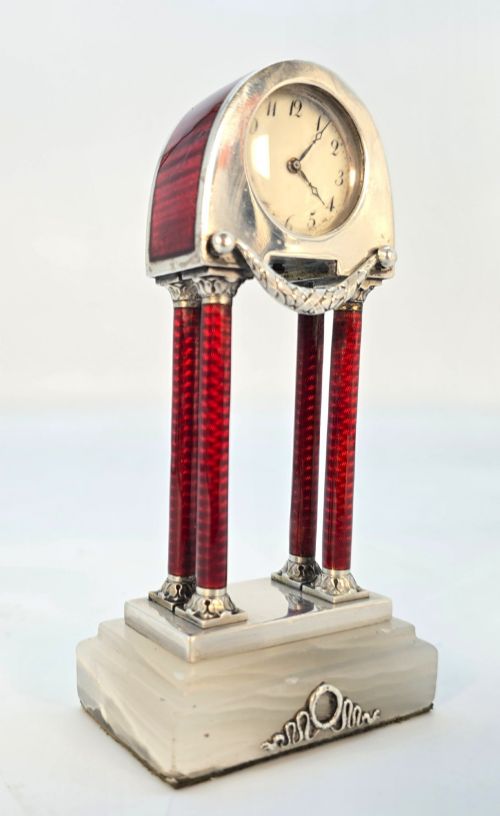
Makers produced these objects during the Victorian, Edwardian, and Art Deco periods, utilising styles ranging from Rococo Revival and George II style to clean geometric lines. The forms extend to decorative items, novelty cruet sets, and miniature clocks that mirror full-sized household furnishings. This category brings together diminutive silver work intended for cabinet display rather than functional household use.
Materials and construction methods
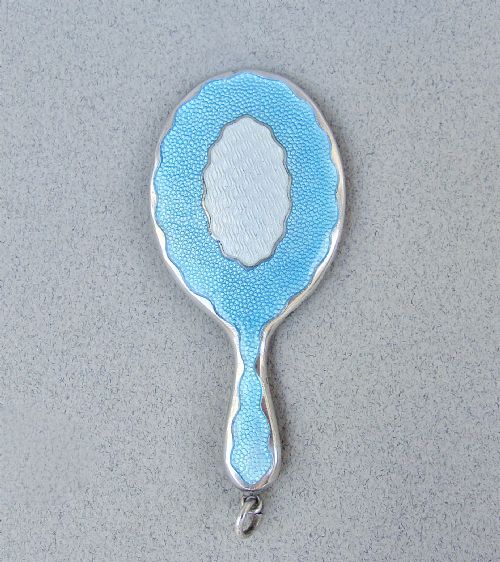
Workshops relied primarily on solid silver, sterling silver, and silver plate, often combining metalwork with glass, enamel, wood, and brass elements. Techniques involved casting, hammering, and delicate piercing to achieve the complex silhouettes of miniature furniture and novelty items. Guilloche enamel frequently appears as a coloured accent on dials, mirrors, and surfaces.
Makers constructed these pieces using precise soldering and assembly methods to maintain structural stability at a very small scale. English and Continental silversmiths applied hallmarks, stamps, and engraved details directly onto the metal surfaces to record origins and standards.
Antique Silver Miniature Table Retail Price Guide 2026
Typical asking prices for silver miniature table among the pieces listed under this phrase on Sellingantiques today, from the lower quarter to the upper quarter. They describe what is for sale here now, not the wider market.
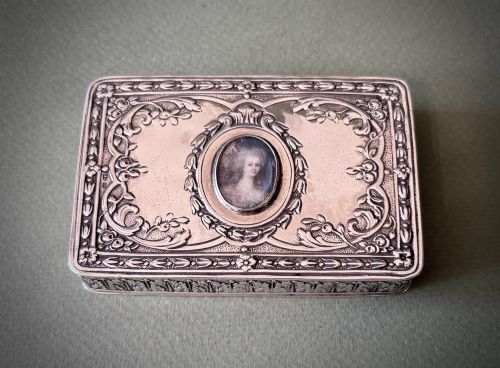
The object forms range from miniature carriage clocks and jewellery boxes to furniture models, desk clocks, and novelty table figures.
Distinctions in craftsmanship and design
Quality rests upon the crispness of the casting and the delicacy of any engraved or pierced ornamentation. Pieces that retain clean structural lines and secure joints demonstrate superior silversmithing compared to softer, more generalised castings.
The integration of secondary materials, such as enamel panels or fitted glass inserts, marks the division between standard production and finer collector pieces. Well-defined hallmarks and balanced proportions elevate the standing of an item within this scale.
Mappin and Webb·Georg Adam Scheid·Henry Williamson·Berthold Muller·J Batson and Son·Henry Matthews
The Antique Silver Miniature Table Glossary
- Sterling silver
- A silver alloy containing 92.5 percent pure silver and 7.5 percent other metals, usually copper, to increase durability. This standard is frequently denoted by hallmarks on English pieces.
- Guilloche enamel
- A decorative technique where a precise geometric pattern is mechanically engraved beneath a translucent enamel layer. It frequently decorates miniature clocks and mirrors.
- Hallmark
- An official stamp applied to precious metals to indicate the purity, the maker, and the office of assay. These marks help determine the origin and period of a silver object.
- Rococo Revival
- A nineteenth-century design style drawing on eighteenth-century motifs, characterised by asymmetry, scrollwork, and naturalistic curves. It appears on decorative silverware and furniture models.
Antique Silver Miniature Table: Frequently Asked Questions
What were antique silver miniature tables used for?
Makers designed these small objects primarily for cabinet display, vitrine collections, and dolls house furnishings rather than practical household tasks. Victorians and Edwardians appreciated them as ornamental novelties that demonstrated high levels of metalworking skill.
They served as decorative conversation pieces on desk tops, mantelpieces, and within specialised collector displays alongside other miniature silver items.
How can I tell the age of a miniature silver piece?
Hallmarks stamped onto the metal provide the most reliable indicator of date and origin, pointing to specific assay offices and active years for the maker. Stylistic cues such as Art Deco geometric forms or Victorian Rococo Revival scrolls also align pieces with known design periods.
Comparing construction techniques and the presence of secondary materials like enamel helps narrow down the decade of manufacture.
Are these miniature items made of solid silver?
The listings include both solid silver and sterling silver pieces, alongside examples produced in silver plate and mixed metals. Hallmarks and metal stamps generally confirm the standard of the silver used in English and Continental items.
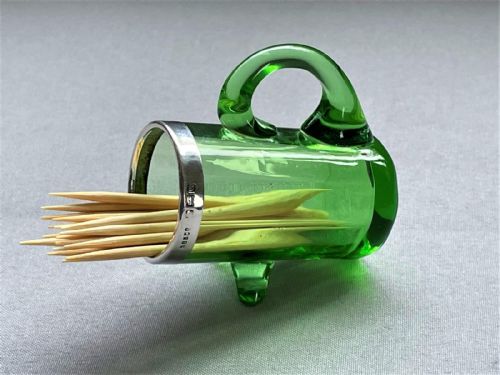
Some novelty models combine silver mounts with other materials such as oak, glass, or brass to achieve specific architectural or domestic effects.
How do I care for antique silver miniatures?
These delicate objects require gentle handling to preserve fragile joints, intricate pierced work, and applied enamel surfaces. Regular dusting with a soft, dry cloth prevents the buildup of particulate matter without the need for abrasive cleaning.
Polishing should be done sparingly and with non-abrasive silver cleaners to avoid wearing away crisp engraving or thin plating.