



Antique Silver Miniature Case
These antique silver miniature cases are tiny, beautifully worked containers and holders created to house everything from prayer books to postage stamps.
Antique Silver Miniature Case
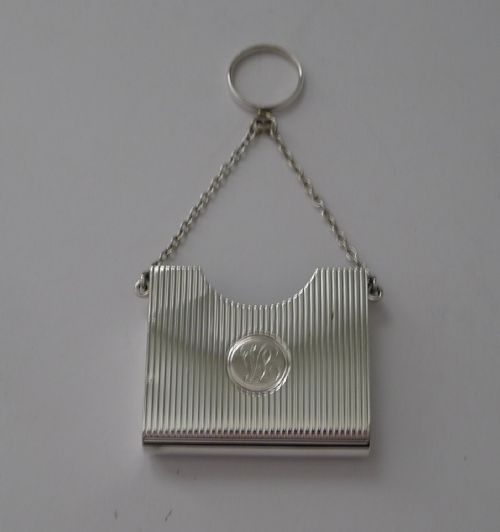
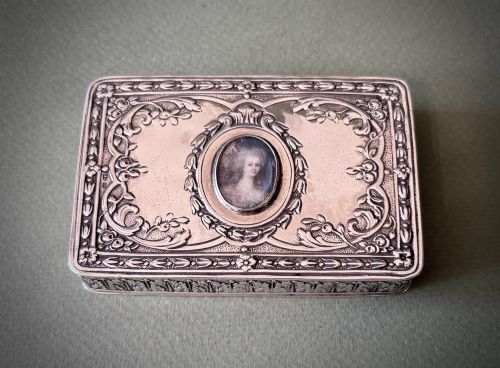
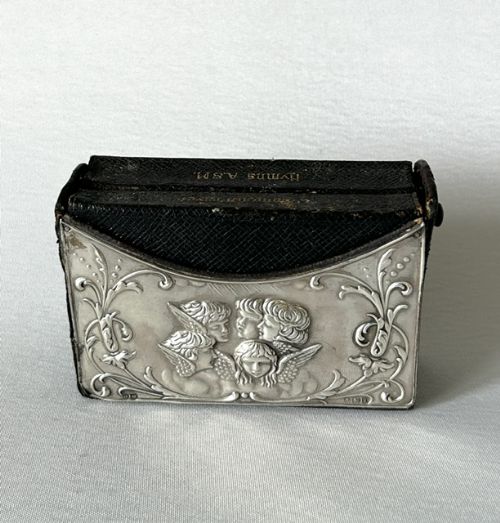
When you search for an antique silver miniature case, you encounter an array of diminutive items designed for specific daily necessities. The selection includes prayer book holders, scent bottle holders, stamp cases, and etuis spanning the eighteenth, nineteenth, and early twentieth centuries.
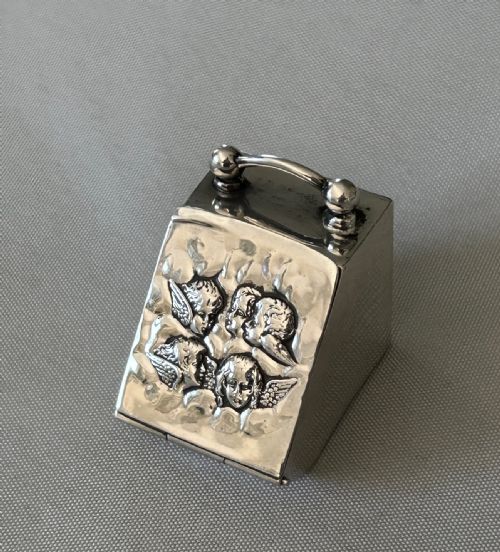
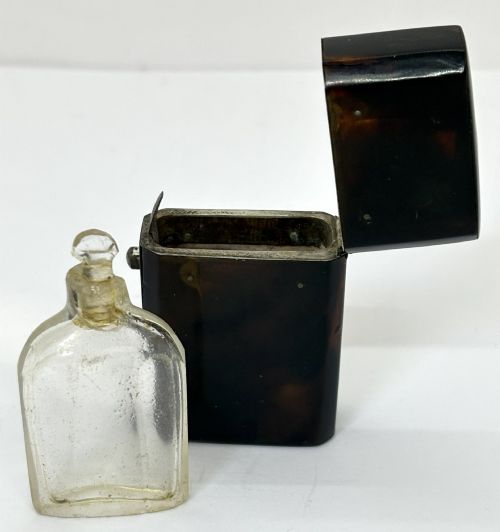
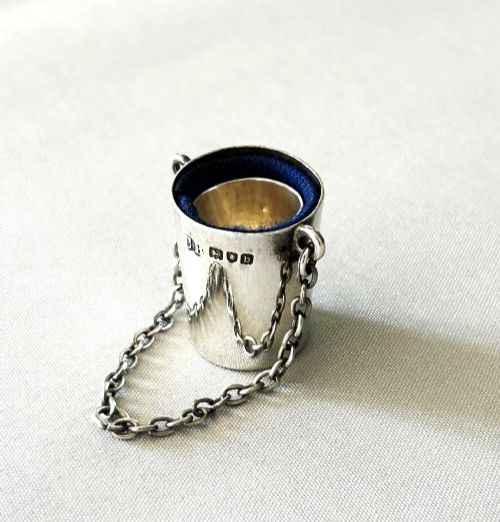
The pieces on this page range from Georgian tortoiseshell and silver necessaires to Edwardian novelty items shaped like coal scuttles and wheelbarrows. Victorian examples frequently incorporate functional sewing accessories and devotional objects, while later pieces often take the form of miniature carriage clocks.
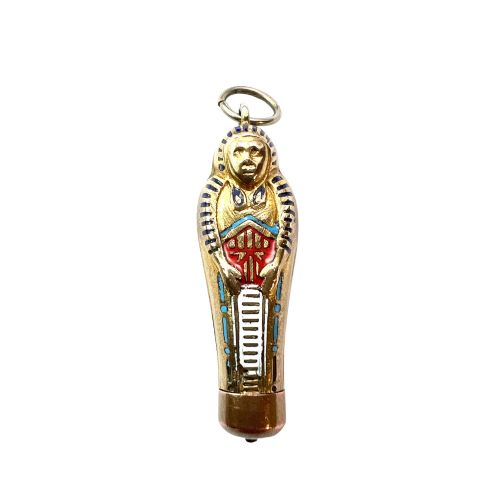
Origins stretch from British workshops to continental makers, encompassing diverse revivals such as Rococo and Egyptian styles. These varied forms reflect the Victorian and Edwardian appetite for portable silver novelty items and bespoke pocket accessories.
Materials and construction
Construction relies heavily on sterling silver, frequently combined with contrasting materials like tortoiseshell, leather, glass, and enamel. Artisans employed techniques such as chasing and eniselling to decorate the exterior surfaces of these small containers.
Interior fittings often feature velvet, paper, or silk linings tailored to hold delicate objects securely. Tool sets within etuis and necessaires require precise metalworking to accommodate miniature bodkins, tweezers, and folding implements.
Antique Silver Miniature Case Retail Price Guide 2026
Typical asking prices for silver miniature case among the pieces listed under this phrase on Sellingantiques today, from the lower quarter to the upper quarter. They describe what is for sale here now, not the wider market.
The listings show pieces spanning the eighteenth, nineteenth, and early twentieth centuries, incorporating materials like enamel, tortoiseshell, and velvet.
Factors of quality
Quality rests upon the crispness of the chased decoration and the precision with which hinges, lids, and latches operate on such a small scale. Superior pieces maintain alignment and structural integrity despite decades of handling.
The integration of secondary materials like intact tortoiseshell, vibrant enamel, or complete internal tool sets elevates an example above standard production. Maker attribution and the complexity of novelty forms also distinguish finer specimens.
Sampson Mordan
The Antique Silver Miniature Case Glossary
- Etui
- A small ornamental case used for holding needles, scissors, and other small personal tools. These portable kits often feature fitted interiors lined with velvet or paper.
- Chatelaine
- A decorative belt hook worn with a series of suspended chains carrying small utility items such as watch keys, scent bottles, or sewing tools.
- Necessaire
- A compact travel case containing miniature toilet articles, sewing implements, or writing supplies. They showcase fine metalwork alongside luxury materials like tortoiseshell.
- Propelling pencil
- A mechanical pencil featuring a sliding mechanism to advance and retract the lead. Miniature versions frequently double as pendants or chatelaine accessories.
- Boudoir clock
- A small table clock designed for a private sitting room or dressing table. These miniature timepieces often feature silver cases and enamel dials.
Antique Silver Miniature Case: Frequently Asked Questions
What fits inside an antique silver miniature case?
These small containers were made to hold specific personal items including pocket prayer books, postage stamps, visiting cards, and sewing tools.
Many housed scent bottles or served as travel cases for miniature timepieces and devotional objects.
How do I date an antique silver miniature case?
Dating relies on hallmarks stamped into the silver, stylistic indicators like Rococo or Egyptian revival motifs, and the specific form of the object.
Georgian pieces often incorporate tortoiseshell, whereas Edwardian items frequently feature novelty designs such as wheelbarrows and coal scuttles.
Were these cases used daily or kept as display pieces?
Original owners carried many of these miniature pieces daily suspended from chatelaines or tucked into pockets and reticules.
Clocks and boudoir timepieces were intended for dressing tables and desks rather than portable use.
What materials accompany the silver in these cases?
Makers combined sterling silver with natural materials such as tortoiseshell, leather, and glass.
Enamel decoration and velvet linings also appear frequently across Victorian and Edwardian examples.