





Silver Sewing Case
A silver sewing case is a portable container designed to hold needles, thimbles, and thread, offering a glimpse into domestic life across the Georgian, Victorian, and Edwardian periods.
Silver Sewing Case
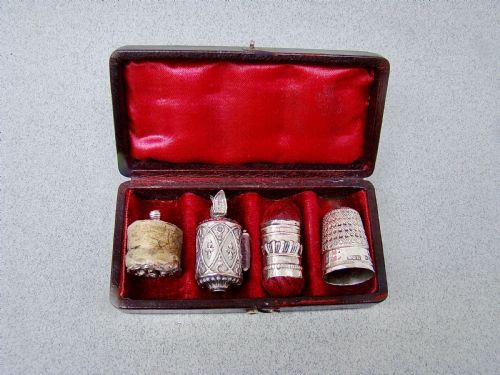
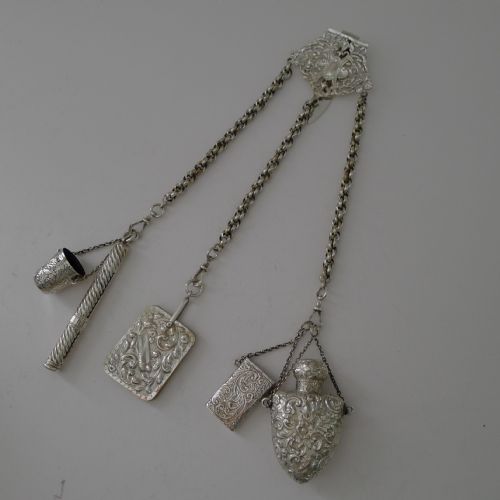
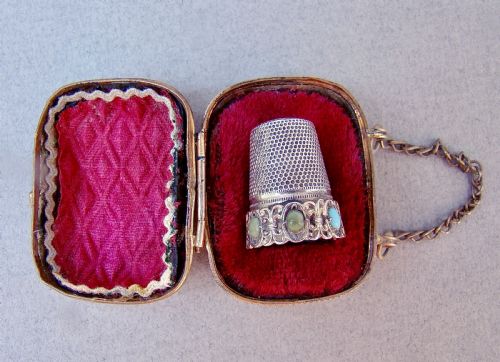
A silver sewing case encompasses compact needle holders, etuis, chatelaine chatelaine cases, and fitted boxes lined for delicate implements. These small containers served practical needs for personal mending and elaborate needlework while doubling as decorative accessories carried on the person or kept on a writing table.
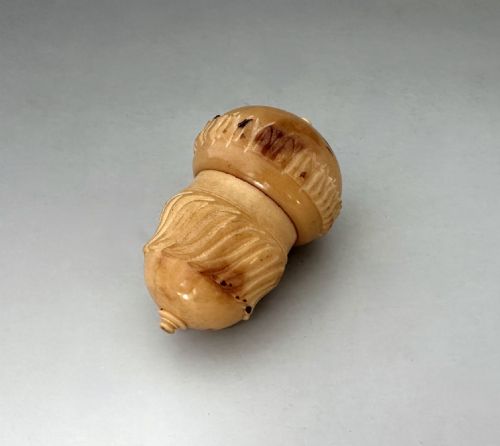
The pieces on this page span the eighteenth, nineteenth, and early twentieth centuries, with a strong representation of Victorian and Edwardian examples. Alongside English sterling silver, French silver gilt and novelty shapes such as buckets, coal scuttles, and eggs appear frequently.
Materials and Construction
Silversmiths utilised sterling silver and silver gilt, often combining the metal with structural foundations of leather, wood, or tortoiseshell. Interiors were typically lined with velvet, silk, or leatherette to cushion steel needles and scissors.
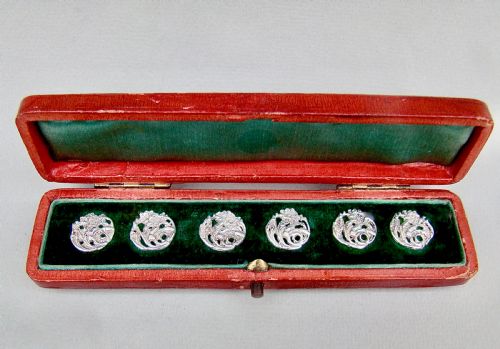
Decorative techniques recorded in the evidence include pierced floral scrollwork, chasing, stone setting, and ormolu mounts. Novelty cases shaped like everyday objects demonstrate skilled hinged construction and secure catches designed for daily portability.
Silver Sewing Case Retail Price Guide 2026
Typical asking prices for silver sewing case among the pieces listed under this phrase on Sellingantiques today, from the lower quarter to the upper quarter. They describe what is for sale here now, not the wider market.
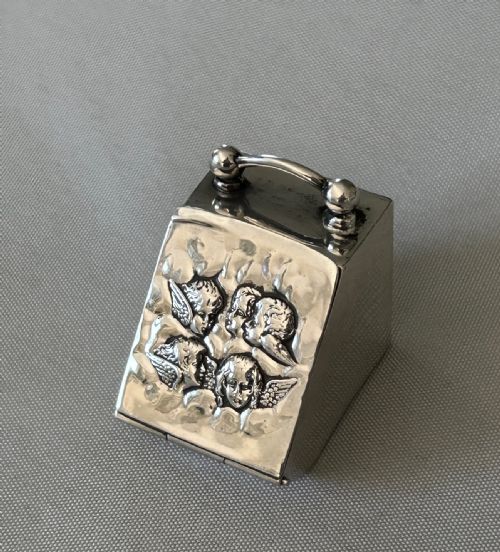
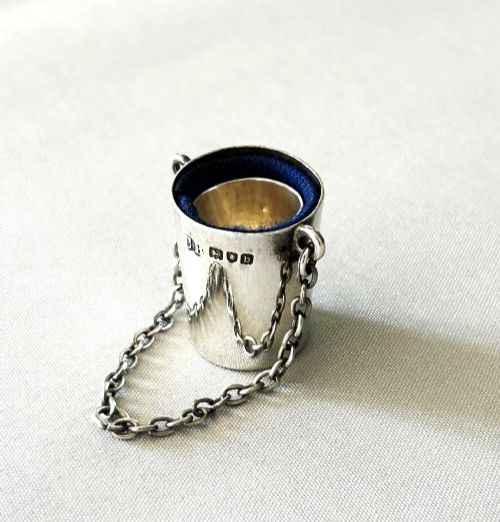
Victorian silversmiths transformed mundane coal scuttles and egg shells into miniature silver thimble holders for the sewing basket.
Judging Quality and Execution
The distinction between standard and superior pieces rests on the crispness of the chasing and the complexity of the form. Novelty items shaped as coal scuttles or buckets require precise articulation in their miniature handles, lids, and hinged components.
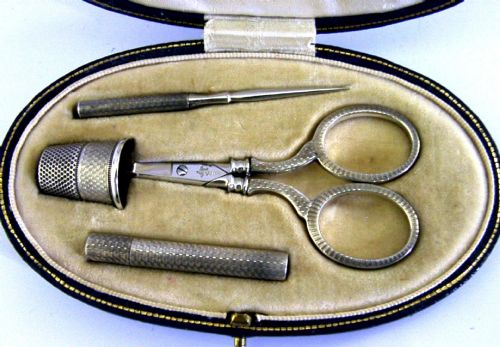
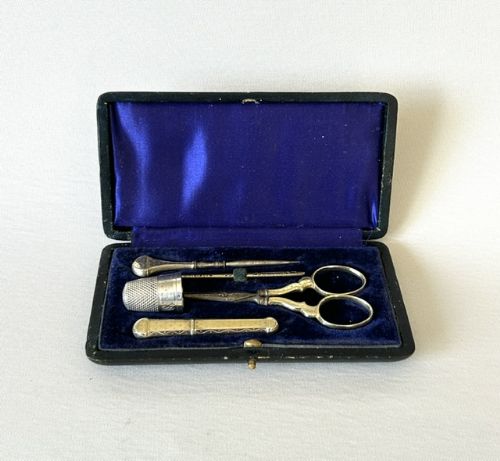
Internal fittings also indicate quality, particularly where fitted silk or velvet linings remain intact alongside matching original tools like thimbles and scissors. Maker marks from established silversmiths further elevate a piece by confirming its provenance.
Walter and George Myers·Charles Horner·Laurence Emanuel·James Deakin and Sons·Levi and Salaman
The Silver Sewing Case Glossary
- Etui
- A small ornamental case used for holding needles, scissors, and other personal implements. These containers often featured internal divisions to keep delicate tools secure.
- Chatelaine
- A decorative belt hook worn with suspended chains from which useful household tools hung. Sewing cases designed for chatelaines typically include a secure suspension ring.
- Silver Gilt
- Silver that has been coated with a thin layer of gold on its surface. This technique provided the rich appearance of solid gold while utilising silver as the base metal.
- Bodkin
- A thick, blunt needle with a large eye used for pulling ribbon or cord through hems. They were frequently housed in dedicated matched silver cases.
- Ormolu
- Gilt bronze mounted onto or used alongside other materials for decorative effect. It appears on French chatelaine holders and cases from the nineteenth century.
Silver Sewing Case: Frequently Asked Questions
What tools belong inside a sewing case?
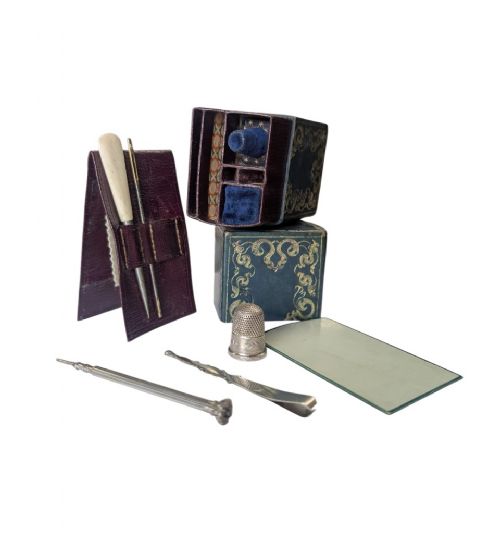
Standard contents typically included needles, small scissors, a bodkin, and a matching thimble. Many fitted sets also incorporated cotton holders or specialised thread winders.
Over the centuries, individual owners customized their cases, meaning surviving interiors often reflect practical personal choices rather than strict factory standards.
How do I identify a Victorian silver sewing case?
Victorian examples frequently display hallmarks for Birmingham or Chester alongside date letters indicating the latter half of the nineteenth century. Stylistically, they often feature chased floral motifs, pierced scrollwork, or novelty shapes.
Makers active during this period, such as Charles Horner or Levi and Salaman, stamped their registered marks directly onto the silver body or mount.
Were these cases meant to be carried?
Many needle cases and etuis were designed to be suspended from a chatelaine belt hook for daily use around the home. Larger compendiums and fitted boxes remained stationary on dressing tables or writing desks.
The inclusion of secure hinged lids and robust leather or tortoiseshell outer layers ensured portable pieces could withstand frequent handling.
How should I store antique silver and velvet?
Keep silver sewing cases in a dry environment away from direct sunlight to protect delicate internal linings like velvet, silk, or leatherette. Minimal handling helps preserve original fabric integrity and nineteenth-century gilt surfaces.
Avoid abrasive polishes on engraved or chased exterior designs, using gentle cloths instead to maintain the natural patina of the silver.