






Antique Silver Metal Goblets
These antique silver metal goblets, chalices, and tankards span multiple centuries of metalwork, offering striking forms and rich tactile histories for your table.
Antique Silver Metal Goblets
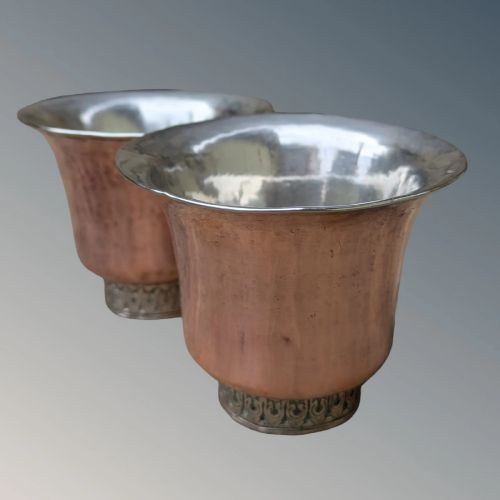
When you search for antique silver metal goblets, you encounter a diverse array of drinking vessels spanning the seventeenth century through to the twentieth century. The selection encompasses chalices, tankards, beakers, loving cups, and trophy cups produced across various regions and stylistic movements.
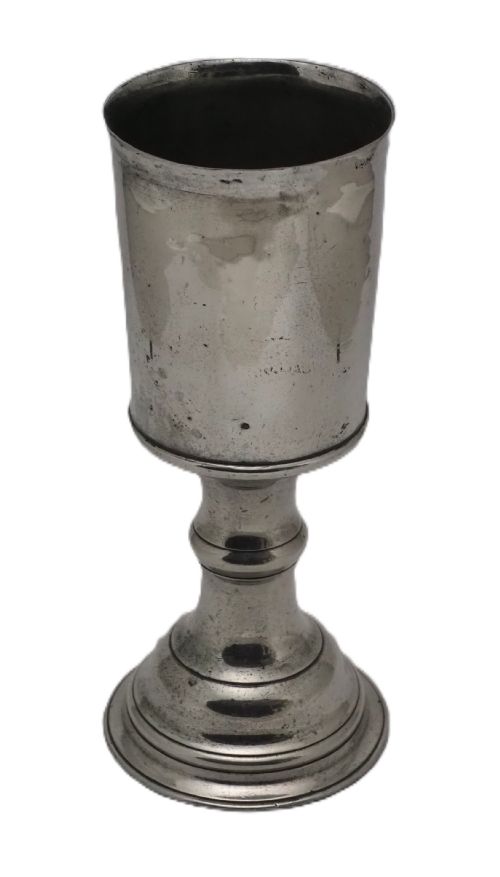
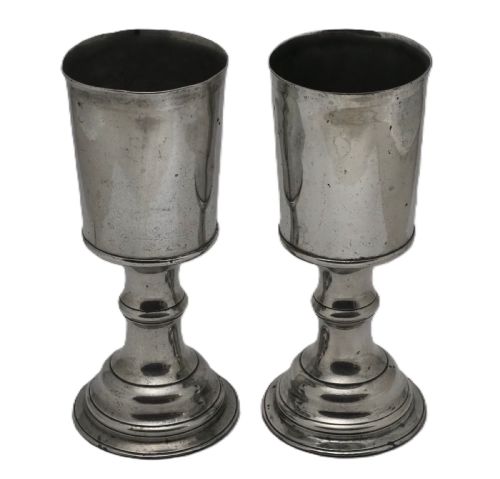
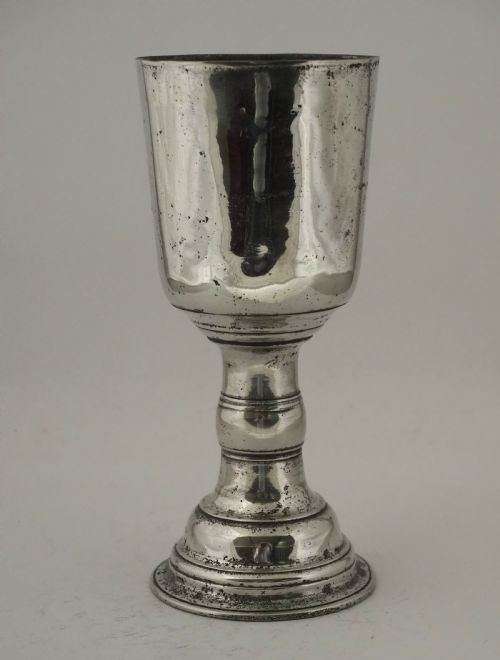
You are most likely to meet silver plated items alongside substantial pewter examples from the eighteenth century. Pieces range from domestic tableware and military mess hall cups to ecclesiastical communion chalices and decorative vessels featuring Dutch Baroque, Arts and Crafts, or Art Deco designs.
The assortment includes regional specialities such as Irish pewter vessels and Indian Kutch trophy cups alongside standard British and continental forms. Each object reflects the prevailing social, religious, or military drinking customs of its respective period.
How they were made
Maker utilise traditional metalworking techniques such as casting, hammering, embossing, and engraving to shape silver, pewter, copper, and base metals. Pewter forms are cast and lathe-finished, whilst Old Sheffield Plate and silver plate involve fusing thin layers of silver to base metal foundations.
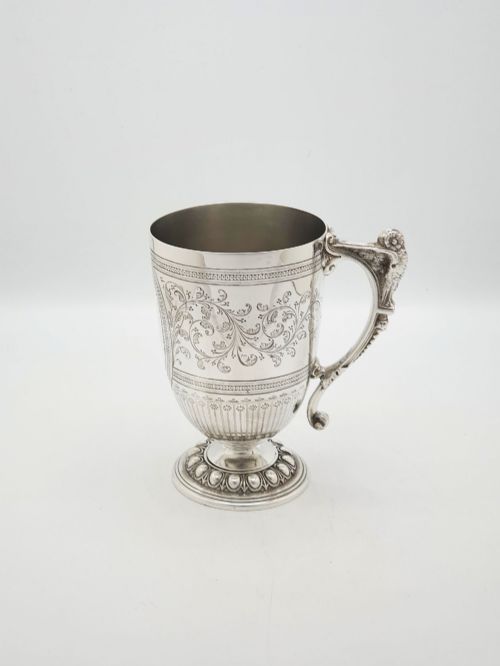
Decorative detailing on these vessels relies on skilled hand engraving, chased relief work, and applied cast elements like figural handles. Surface finishes range from high-polish silver plate to the softer, matte patination characteristic of early continental pewter.
Antique Silver Metal Goblets Retail Price Guide 2026
Typical asking prices for silver metal goblets among the pieces listed under this phrase on Sellingantiques today, from the lower quarter to the upper quarter. They describe what is for sale here now, not the wider market.
Listings feature materials spanning traditional pewter and copper alongside silver plate, Old Sheffield Plate, and nickel silver.
What varies in quality
The distinction between standard utility items and exceptional pieces rests upon the precision of the metalwork and the integrity of the design. Superior examples display crisp chasing, well-balanced proportions, and secure joins on handles and pedestals.
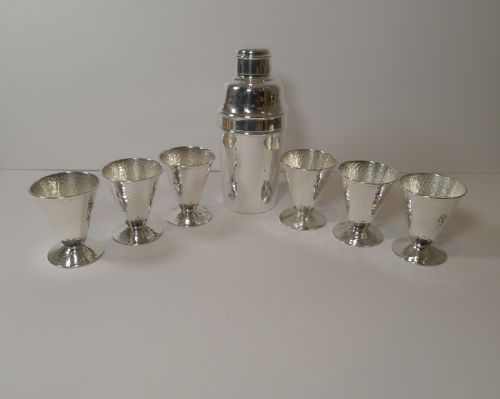
Artistic ambition also separates the tiers, with bespoke pieces featuring distinctive motifs like owl handles, Celtic revival ornament, or hand-hammered Art Deco surfaces standing apart from mass-produced utilitarian counterparts.
Richard Morton
The Antique Silver Metal Goblets Glossary
- Old Sheffield Plate
- An early form of composite metal created by fusing a thin sheet of silver to a copper core. This technique predates modern electroplating and produces a warm tone as the underlying copper occasionally shows through.
- Pewter
- A malleable metal alloy consisting primarily of tin combined with copper, antimony, or bismuth. It was widely utilised for domestic and ecclesiastical vessels due to its workable nature.
- Chalice
- A formal stemmed cup typically employed in religious services or ceremonial contexts. These vessels often feature deep bowls raised on a knopped stem and a wide domed foot.
- Loving Cup
- A large communal drinking vessel traditionally furnished with multiple handles. Guests passed the cup amongst themselves during celebrations.
- Tankard
- A tall, cylindrical drinking vessel featuring a single robust handle and occasionally a hinged lid. They appear in both sturdy pewter and plated metals for domestic or military use.
Antique Silver Metal Goblets: Frequently Asked Questions
How do I clean antique pewter?
Pewter requires gentle washing in warm soapy water followed by thorough drying with a soft cloth. Avoid aggressive metal polishes that strip away the historical surface character.
Maintaining a natural finish preserves the dull, silvery sheen characteristic of early metalware. Store pieces in a dry environment to prevent atmospheric corrosion.
Can I use these goblets for drinking?
Many solid pewter and silver plated vessels remain structurally sound for beverage consumption. However, verify the interior condition and plating integrity before serving liquids.
Older pieces containing lead in the pewter alloy or worn silver plate exposing base metals are better suited for decorative display. Modern beverage safety standards vary with historical metallurgy.
What is Old Sheffield Plate?
Old Sheffield Plate is a fused bilayer material created by heating copper and silver together until they bond. Artisans then hammered and rolled the combined sheet into workable stock.
This method differs significantly from nineteenth-century electroplating. The resulting objects possess a distinct weight and colour profile recognisable to collectors.
How do I date an antique chalice?
Dating relies on stylistic markers, manufacturing techniques, and any accompanying touchmarks or hallmarks stamped into the metal. Seventeenth and eighteenth-century pieces often display simpler forms and hammered surfaces.
Later Victorian, Edwardian, and Art Deco examples incorporate machine assistance, standardised sizing, and period-specific decorative motifs. Comparing handle attachments and foot rims helps narrow the era.