





Antique Silver Metal Beaker
These antique silver metal beaker items combine centuries of drinking vessels in copper, pewter, silver, and plated wares.
Antique Silver Metal Beaker
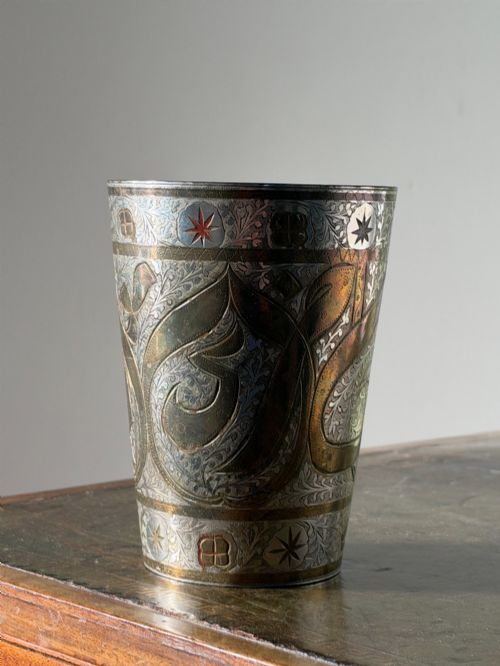
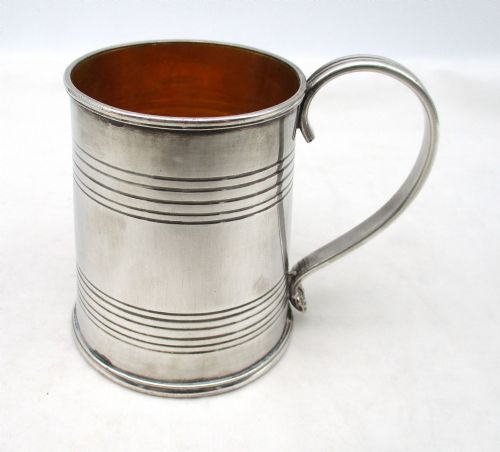
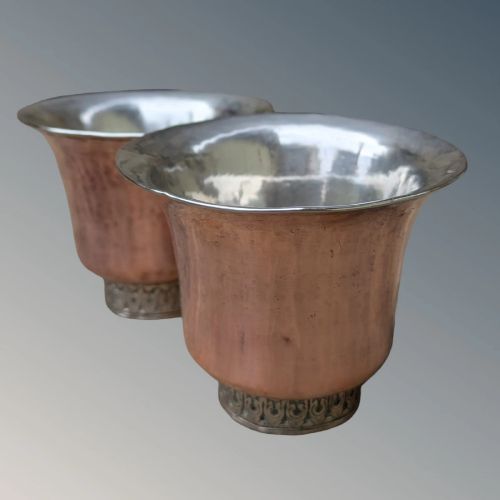
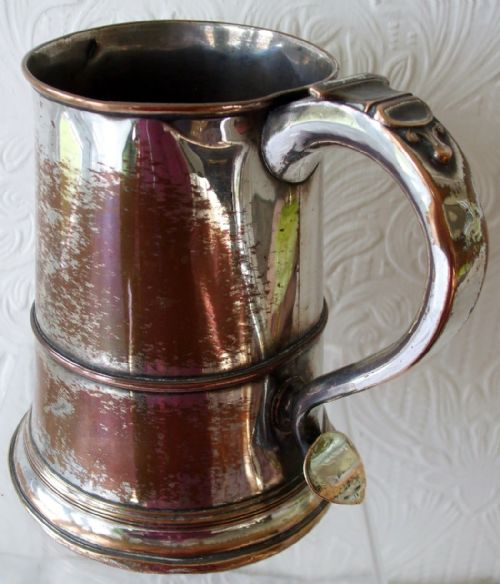
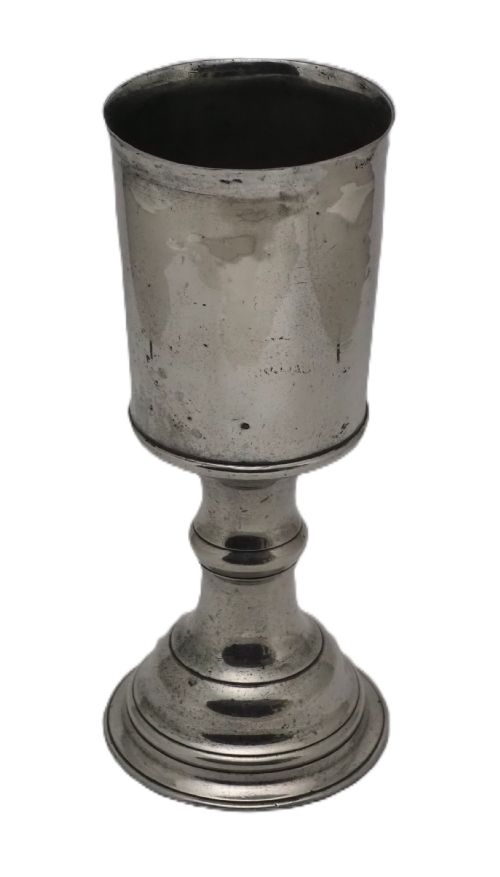
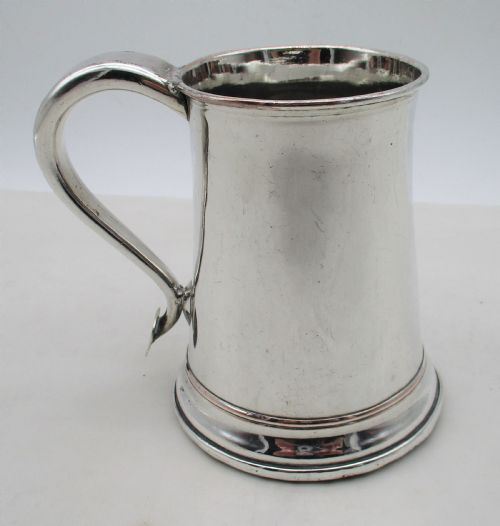
When you search for an antique silver metal beaker, you are exploring a diverse selection of historic drinking vessels spanning several centuries. The material evidence ranges from early continental pewter and Irish chalices to Georgian Old Sheffield plate and Victorian silver-plated mugs.
You are most likely to meet pieces originating from the eighteenth and nineteenth centuries on this page. Forms vary from simple baluster christening mugs and tankards to diminutive child's tankards and liqueur sets.
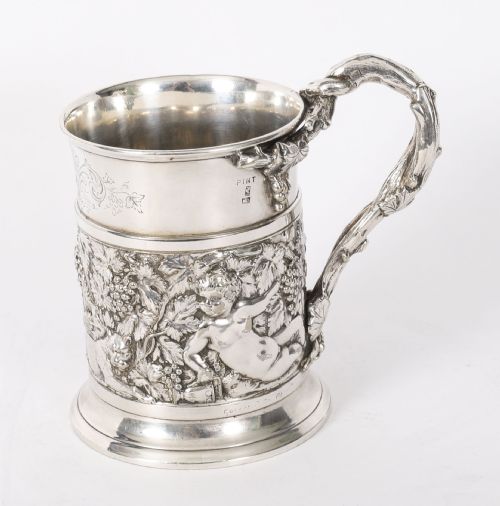
Stylistic influences run from Dutch Baroque and Rococo Revival to the distinctive curves of Art Nouveau. Each piece reflects the domestic drinking habits and metalworking standards of its specific period.
Materials and construction
Makers utilised a variety of base metals and plating techniques, including copper fused with silver in Old Sheffield plate, alongside solid silver, pewter, and gold gilt finishes. Silvered pewter also appears in later continental sets.
Decoration on these drinking vessels frequently involves hand engraving and embossed detailing, such as rococo scroll handles applied to baluster forms. These techniques required skilled manipulation of sheet metals and cast components.
Antique Silver Metal Beaker Retail Price Guide 2026
Typical asking prices for silver metal beaker among the pieces listed under this phrase on Sellingantiques today, from the lower quarter to the upper quarter. They describe what is for sale here now, not the wider market.
Listings span materials from copper and pewter to gold gilt, Old Sheffield Plate, and silvered pewter across the seventeenth to twentieth centuries.
Judging quality in metal drinking vessels
Quality in these drinking vessels rests upon the crispness of the chased or embossed ornament and the integrity of the underlying metal. Pieces showing deep, deliberate hand engraving outclass simpler stamped versions.
The survival of original surface finishes, such as gilding or early plating without extensive loss to the base metal, determines the standing of a piece. Maker marks and clean joins at handles add distinct authority to the object.
G R Collis·W.M.F.
The Antique Silver Metal Beaker Glossary
- Old Sheffield plate
- A composite material made by fusing a sheet of silver to a thicker copper ingot before rolling into sheets. This technique predates modern electroplating.
- Pewter
- A malleable metal alloy consisting primarily of tin, historically used for domestic tableware and drinking vessels. Continental examples often display distinct regional marks.
- Baluster form
- A vertical architectural shape featuring a rounded lower body that tapers upward toward the rim. It is frequently seen on christening mugs and tankards.
- Gilding
- The application of a thin layer of gold to the interior or exterior surface of a metal vessel. This process provided a luxurious finish and protected the base metal from tarnishing.
Antique Silver Metal Beaker: Frequently Asked Questions
What is Old Sheffield plate?
Old Sheffield plate is an early fusion method where a thin layer of silver is bonded to copper. This predates nineteenth-century electroplating techniques.
Items made this way display subtle copper undertones where wear occurs over centuries of handling.
How do I date a pewter beaker?
Dating relies on stylistic markers such as wall thickness, hammer marks, and form characteristics. Continental styles often follow distinct regional timelines.
Maker stamps and touchmarks found on the base provide further clues to exact decades of production.
Were christening mugs used daily?
Christening mugs served primarily as commemorative gifts rather than everyday tablewares. Families commissioned them to mark births and early childhood milestones.
Because of this ceremonial role, many survived in excellent condition across generations.
What does baluster form mean?
Baluster describes a curved silhouette that swells near the base and narrows toward the top rim. It echoes architectural column designs popular in earlier centuries.
This contour provides a comfortable grip for smaller drinking vessels and mugs.