






Antique Silver Instrument
An antique silver instrument brings precision engineering and refined metalwork into your study, spanning scientific measurement, personal accessories, and decorative silver.
Antique Silver Instrument
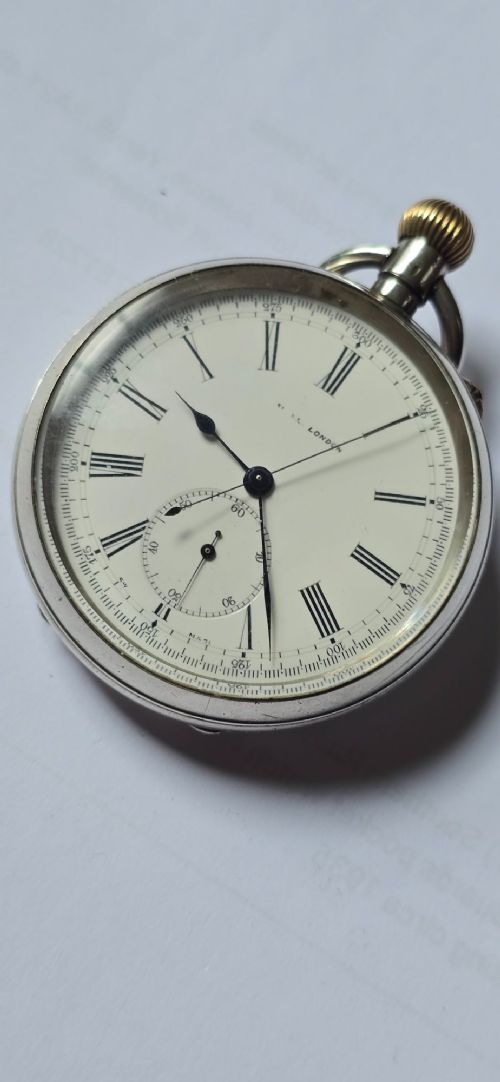
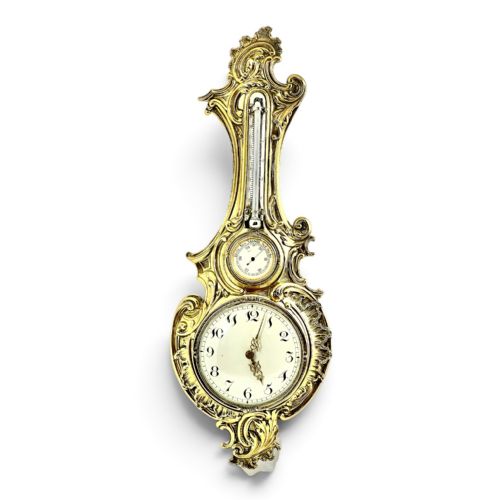
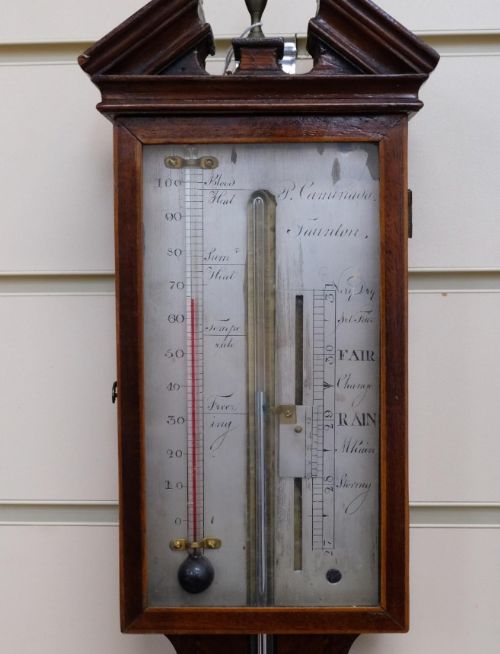
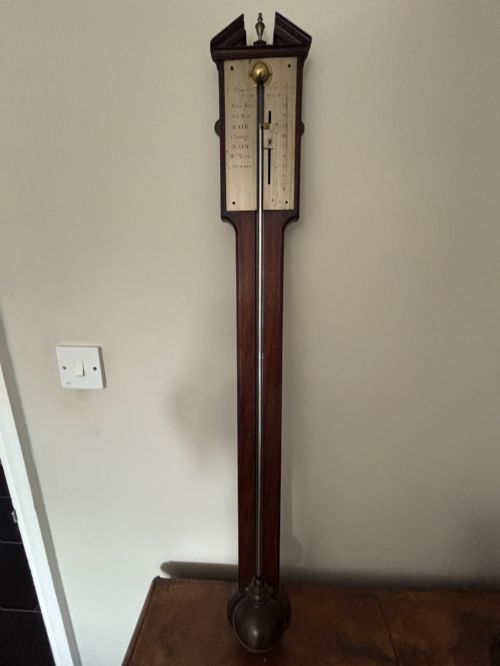
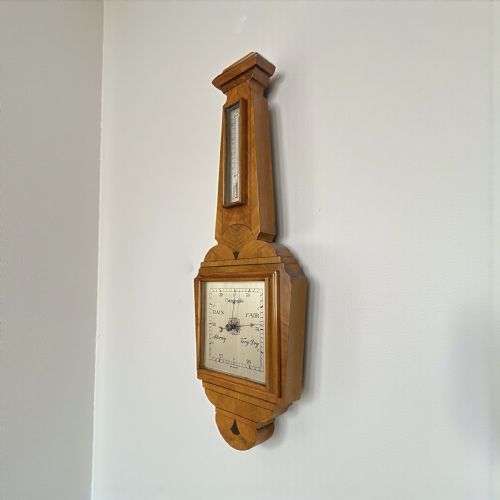
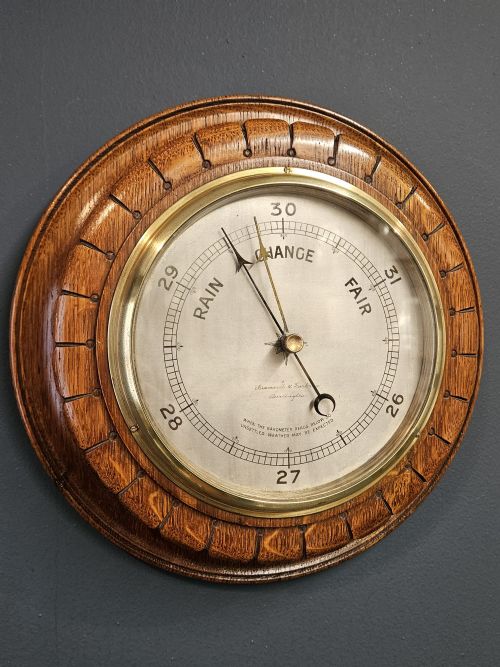
Scientific apparatus forms a substantial part of the selection, particularly mercurial and aneroid barometers housed in mahogany or rosewood cases alongside silvered dials. Medical implements like silver-cased fleams sit alongside marine chronometers and military compasses, reflecting the era's reliance on accurate mechanical calculation.
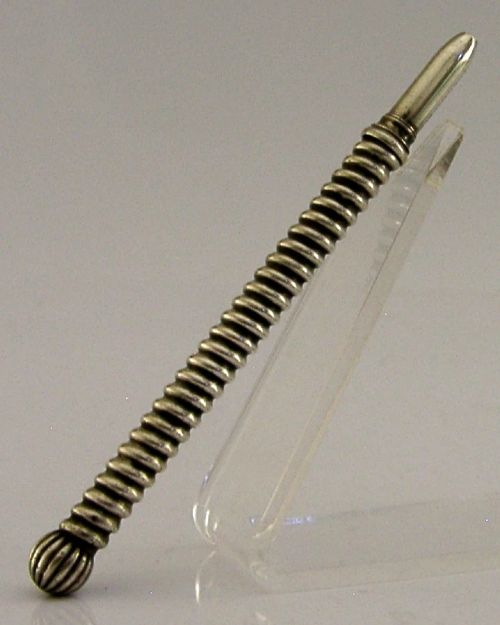
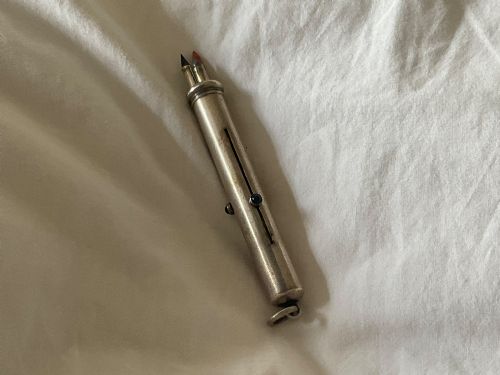
Personal and novelty items also appear under this heading, including sterling silver folding opera glasses, multi-colour pencils, and desk compendiums. Makers from London, provincial towns, and international outposts signed their work, leaving a traceable record of 19th-century workshop production.
Materials and construction
Makers combined sterling silver and silvered metal with dense hardwoods like mahogany, rosewood, walnut, and oak to house delicate mechanisms. Brass, steel, glass, and leather provide structural support and protection for pocket and travel instruments.
Silversmiths utilised chasing, gilding, and engraving techniques to ornament casings, desk stations, and pencil barrels. Instrument makers inscribed dials and calibrated movements with precision, pairing mercurial tubes or aneroid capsules with legible metal scales.
Antique Silver Instrument Retail Price Guide 2026
Typical asking prices for silver instrument among the pieces listed under this phrase on Sellingantiques today, from the lower quarter to the upper quarter. They describe what is for sale here now, not the wider market.
Listings feature scientific instruments across Georgian, Victorian, and Edwardian eras, combining sterling silver and silvered metal with mahogany, rosewood, brass, and glass.
Factors of distinction
Excellence in these pieces rests upon the crispness of the maker's signature, the legibility of the silvered or engraved dial, and the precision of the mechanical movement. Workshops known for superior scientific output achieved greater accuracy in calibration and finer detailing on metal mounts.
The choice of cabinet timber and the preservation of original mercury tubes, glass panels, or fitted leather cases elevate an example. Pieces retaining their fully operational components and clear hallmarks demonstrate superior historical integrity compared to altered or heavily restored alternatives.
Sampson Mordan·Short and Mason·Taylor and Perry·Thomas Harris and Son·James Murray
The Antique Silver Instrument Glossary
- Aneroid barometer
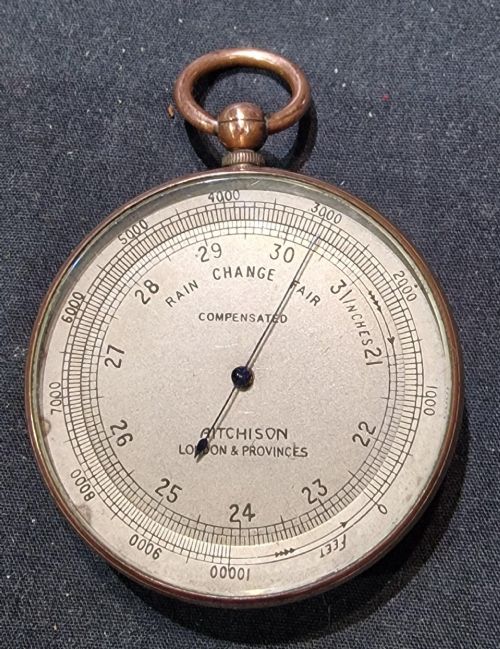
- A barometer that measures atmospheric pressure through the expansion and contraction of a flexible metal capsule, eliminating the need for liquid mercury. These units often feature in compact travel and desk instruments.
- Fleam
- A small surgical instrument with a lancet blade used historically for bloodletting. Surviving examples are frequently housed in fitted silver or leather cases bearing maker marks.
- Marine chronometer
- A highly accurate timekeeper used at sea for determining longitude. These instruments were mounted in gimbals to maintain a horizontal position despite the motion of a vessel.
- Silvered metal
- A base metal treated with a silver coating to provide a reflective, bright surface for instrument dials and scales. This technique allowed clear black graduations to stand out against the light background.
- Stick barometer
- A tall, vertical barometer that measures atmospheric pressure directly via a column of mercury in a glass tube. These instruments are typically set into mahogany or rosewood trunk frames.
Antique Silver Instrument: Frequently Asked Questions
What is an antique silver instrument?
An antique silver instrument encompasses functional scientific tools, medical devices, and personal items incorporating silver casing, mounts, or dials. These pieces date primarily from the Georgian, Victorian, and early twentieth-century periods.
They combine practical utility, such as navigation, timekeeping, or measurement, with the decorative craft of silversmithing. Collectors prize them for their mechanical ingenuity and period craftsmanship.
How do mercurial and aneroid barometers differ?
Mercurial barometers measure atmospheric pressure by balancing the weight of a mercury column against the air pressure. They are housed in tall wooden frames like mahogany or rosewood stick and wheel barometers.
Aneroid barometers use a sealed flexible metal box that expands or contracts with pressure changes, moving a pointer on a dial. This mechanism allowed makers to produce smaller, portable desk and pocket instruments.
Were these instruments used professionally?
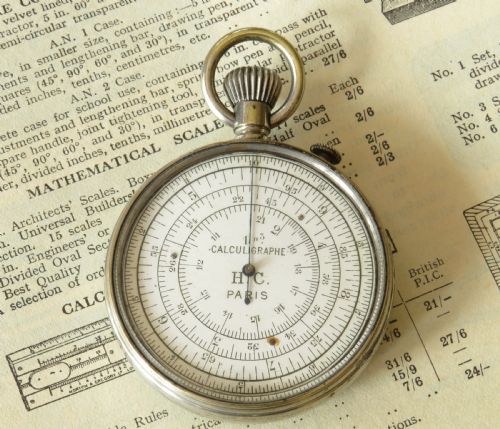
Many items in this category served professional functions in navigation, surveying, medicine, and military operations. Examples include military-issued compasses, marine chronometers, and pocket watch-style slide rules.
Others were created for affluent travellers and domestic settings, such as travel thermometers, folding opera glasses, and desk compendiums.
How should I care for an antique silver instrument?
Keep wooden cases and delicate mechanisms away from direct sunlight, excessive heat, and moisture fluctuations. Metal components require gentle dusting rather than abrasive cleaning to preserve original patination and engraved detail.
Consult a specialist horologist or instrument restorer if the internal movement or barometer tube requires maintenance.