

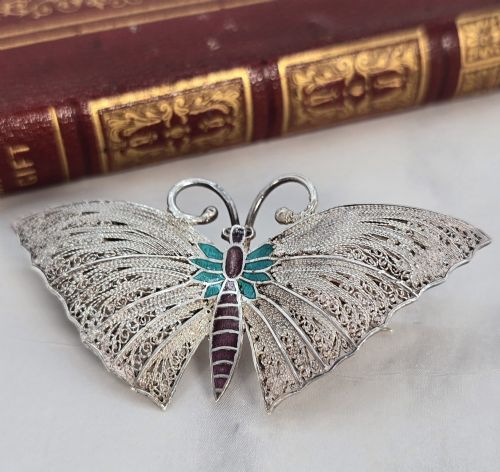


Antique Silver Insect Pin
These antique silver insect pin examples bring together Victorian and later craftsmanship, offering wearable miniature nature in silver, enamel, and gemstones.
Antique Silver Insect Pin
An antique silver insect pin represents a fascinating category of jewellery spanning the Victorian, Edwardian, and Art Deco eras. Buyers searching for an antique silver insect pin will encounter delicate brooches, bar brooches, and even a pincushion formed as creatures.
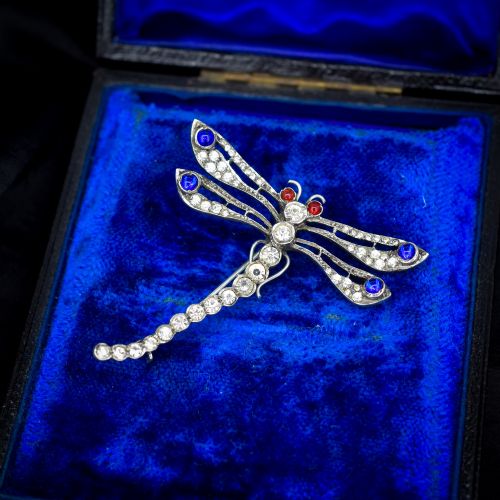
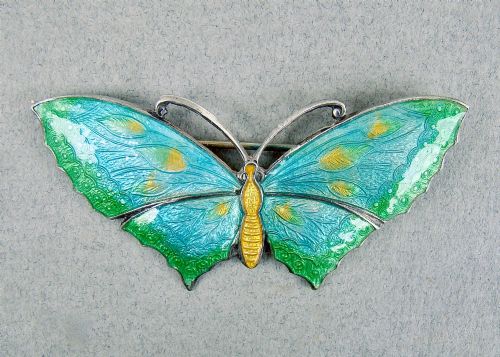
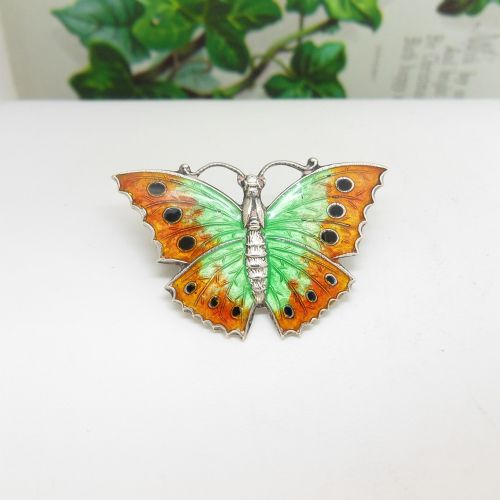
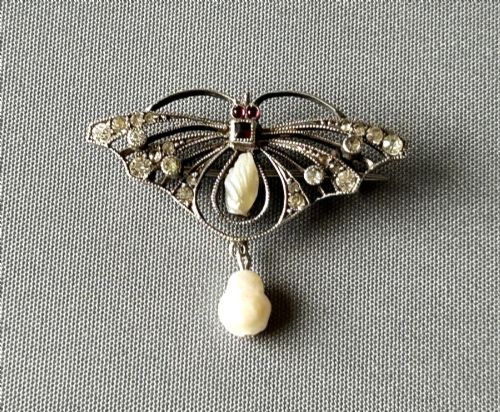
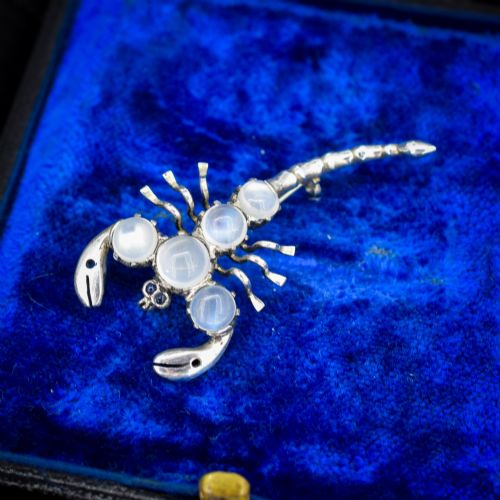
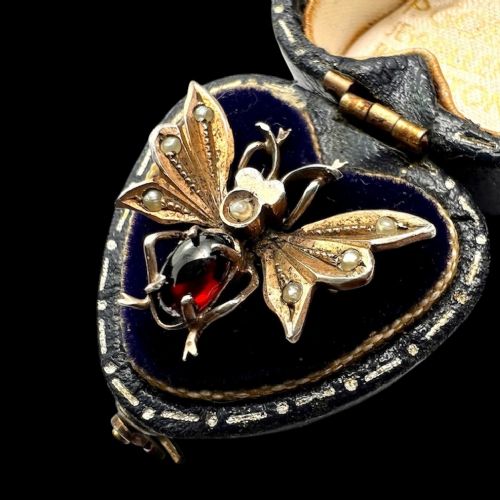
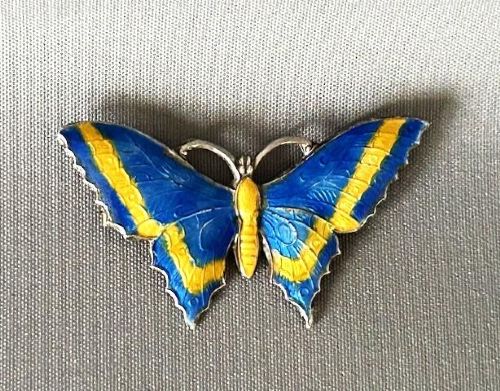
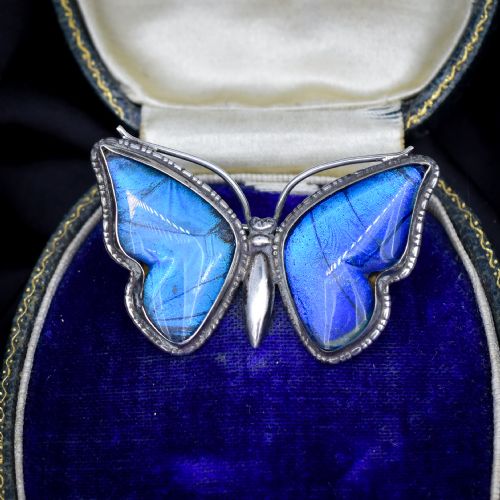
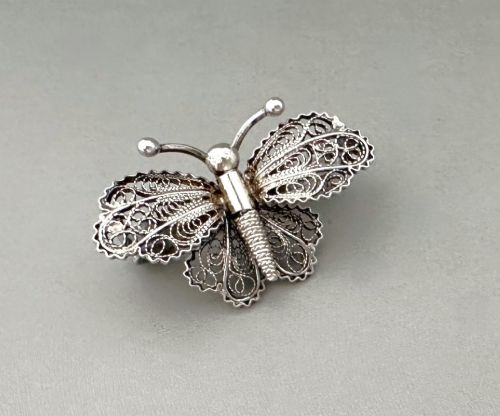
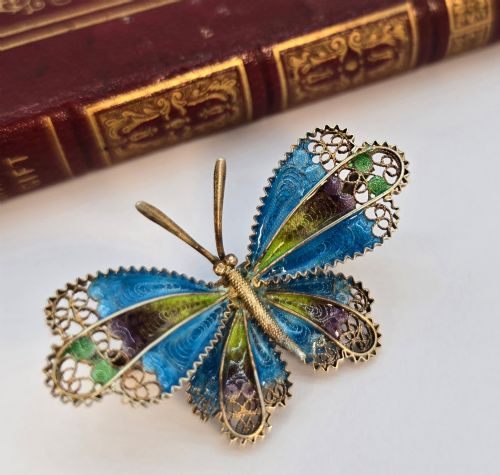
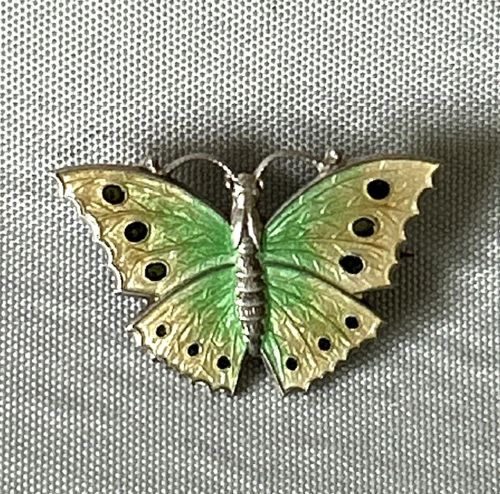
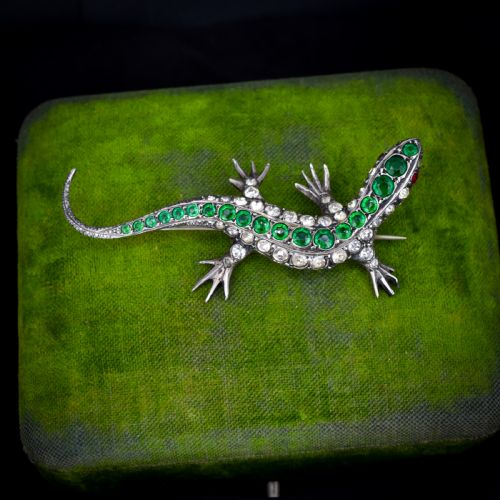
The selections on this page lean heavily towards butterflies, alongside lizards, spiders, dragonflies, scarabs, and scorpions. These pieces originate from various periods including the 1900s, 1920s, and 1930s, featuring both British and Continental designs.
How they were made
Maker techniques rely heavily on silver, sterling silver, and silver gilt frameworks shaped into filigree or cast forms. These metal foundations frequently support colourful additions like guilloche enamel, purple enamel, and green paste.
Many items incorporate organic or precious elements set directly into the silver work. Butterfly wing panels, diamonds, rubies, pearls, moonstones, and glass bring texture and colour to the insect subjects.
Antique Silver Insect Pin Retail Price Guide 2026
Typical asking prices for silver insect pin among the pieces listed under this phrase on Sellingantiques today, from the lower quarter to the upper quarter. They describe what is for sale here now, not the wider market.
What varies in quality
Quality differences emerge in the complexity of the metalwork and the preservation of applied details. Intricate silver filigree and cleanly applied enamel distinguish finer examples from simpler forms.
The choice and setting of stones also separate pieces across the range. The presence of diamonds, rubies, and genuine moonstones elevates the workmanship compared to paste or glass alternatives.
The Antique Silver Insect Pin Glossary
- Silver gilt
- Silver that has been coated with a thin layer of gold on its surface. This technique adds a warm tone to the underlying metal.
- Guilloche enamel
- Decorative enamel applied over a mechanically engraved metal background. It creates repeating geometric patterns visible beneath translucent colour.
- Paste
- Hand-cut glass used as an affordable substitute for gemstones. It mimics the brilliance of diamonds or coloured stones in period jewellery.
- Filigree
- Delicate jewellery work formed from fine metal threads soldered together. This technique creates lace-like openwork patterns in silver.
Antique Silver Insect Pin: Frequently Asked Questions
What is an antique silver insect pin?
An antique silver insect pin is a piece of wearable jewellery fashioned into the shape of a creature like a butterfly, spider, or dragonfly. These items were produced across the Victorian, Edwardian, and Art Deco periods.
They combine silver work with materials such as enamel, gemstones, and butterfly wings to create miniature representations of nature.
How do I date these pieces?
Dating relies on stylistic clues and material combinations associated with specific decades. Victorian examples often feature naturalistic gemstone settings, while Art Deco pieces utilise geometric enamel and sterling silver.
Looking at the construction of the pin mechanism and the style of the metalwork helps place an item within the 1900s to 1930s window.
Were these worn as brooches?
Most pieces function primarily as brooches or bar brooches designed to be fastened to garments. Some designs double as pendants for versatility in how they are displayed.
Unusual forms like pincushions also exist, serving decorative and functional roles on a dressing table rather than serving as personal adornment.
What materials appear most often?
Silver and sterling silver form the primary structure for almost every item in this category. Enamel is frequently added to provide vibrant colour to insect wings and bodies.
Precious stones like diamonds and rubies appear alongside alternative materials including green paste, glass, moonstones, and butterfly wings.