


Antique Silver Horn
An antique silver horn brings together the raw organic texture of natural horn and the gleam of sterling or plate, prized by collectors for its distinct utility and equestrian heritage.
Antique Silver Horn
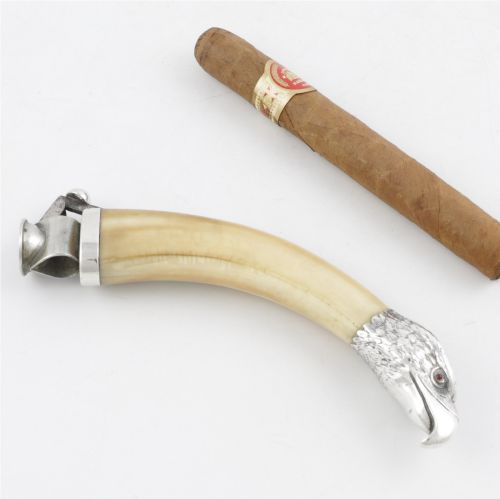
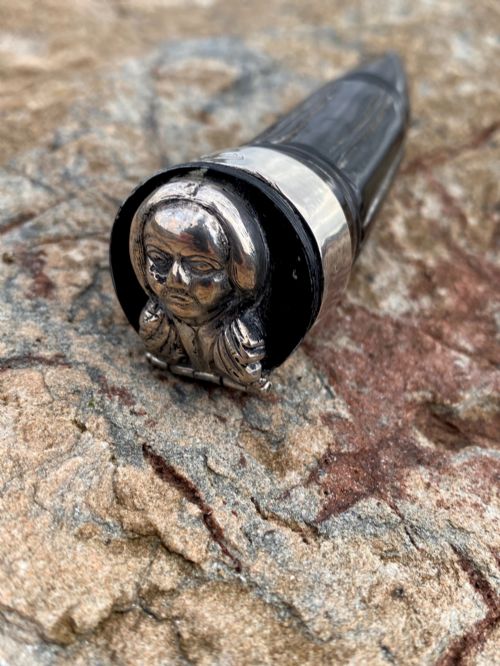
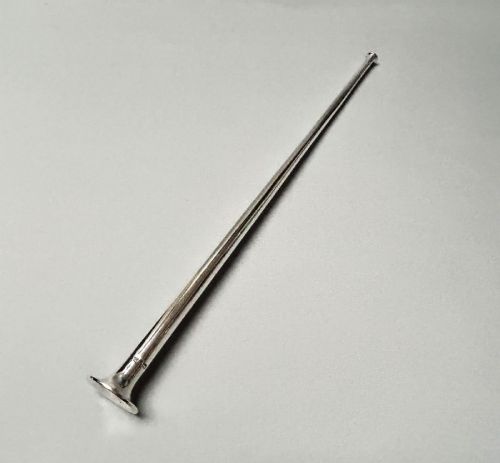
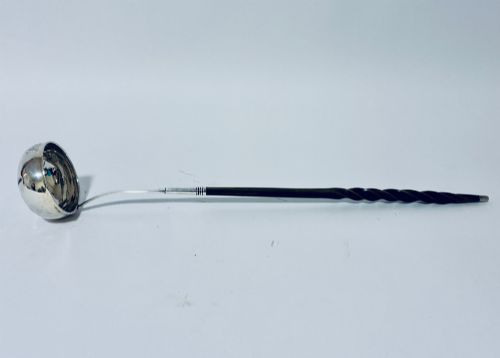
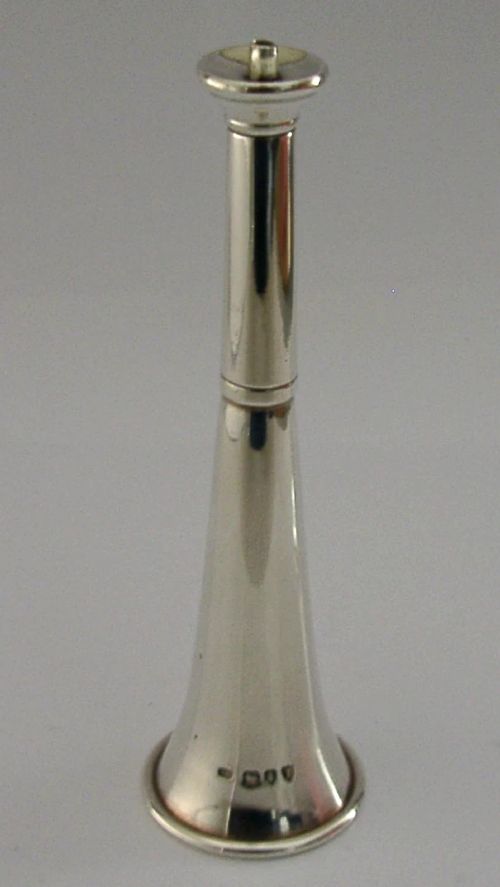
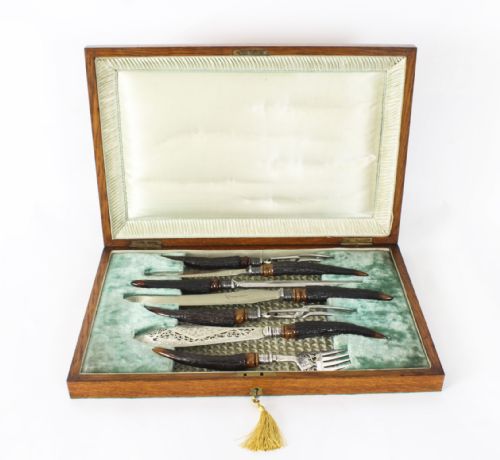
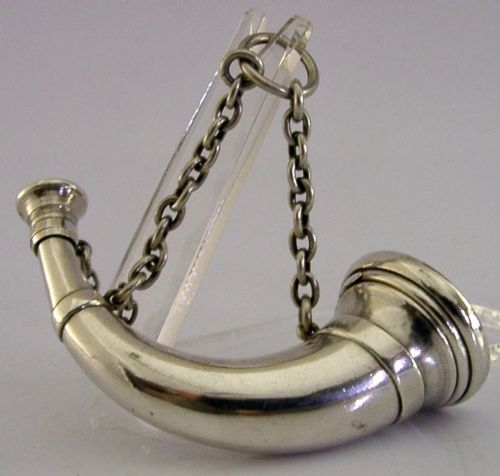
An antique silver horn spans a diverse range of functional objects designed for dining, snuff taking, equestrian pursuits and smoking rooms, originating primarily through the Georgian, Victorian and Edwardian eras. The selection frequently includes Scottish snuff mulls, hunting horns, walking sticks with antler handles and desk accessories mounted in sterling silver or silver plate.
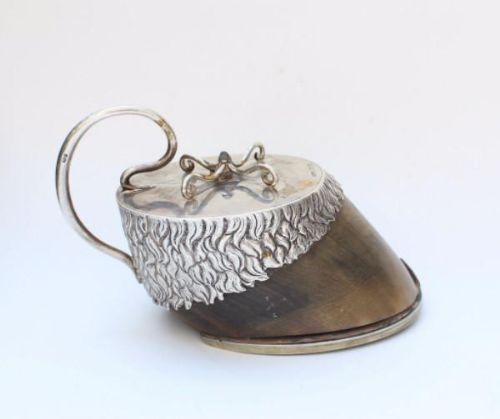
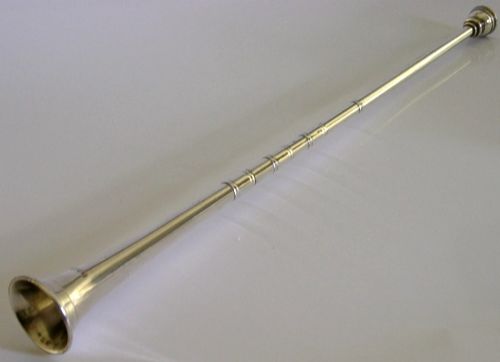
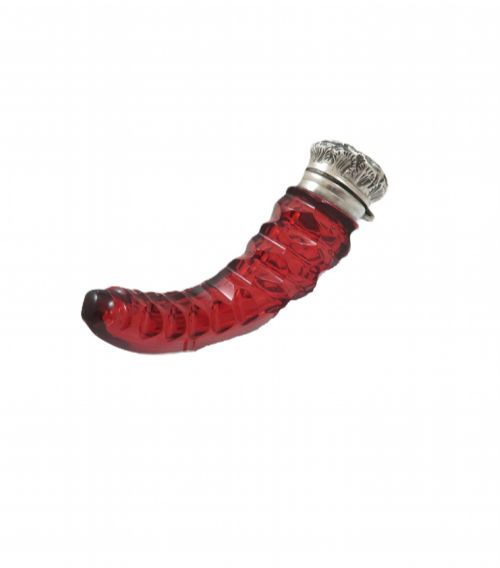
Buyers encounter these items in various forms, from small vinaigrettes and scent bottles set with citrine to substantial dinner gongs and table lighters shaped like bugles. Natural horn combined with silver mounts represents the core aesthetic across these categories, alongside related items utilising hoof, wood and leather.
The objects reflect distinct regional traditions, notably 19th-century Scottish craftsmanship where horn snuff mulls and quaichs feature prominently. English country and equestrian styles also dominate the pieces available, connecting directly to hunting and outdoor pursuits of the period.
How they were made
Craftsmen shaped natural horn and antler by heating the material to render it pliable, then pressing or carving it into vessels, handles and decorative flasks. This organic medium was paired with cast, chased or engraved sterling silver and silver plate, creating secure mounts, collars and hinged lids.
Makers integrated steel blades, glass inserts and wooden cores into walking sticks, desk stands and cutlery sets, combining multiple media within a single piece. Silver components were frequently hallmarked to record the assay office, year and maker, providing a reliable record of origin.
Antique Silver Horn Retail Price Guide 2026
Typical asking prices for silver horn among the pieces listed under this phrase on Sellingantiques today, from the lower quarter to the upper quarter. They describe what is for sale here now, not the wider market.
A Victorian walking stick conceals both a blade and a corkscrew inside a carved rabbit handle, catering to emergencies of every description.
What varies in quality
Quality rests in the harmony between the organic material and the metalwork, distinguishing crisp silver chasing and tight mounts from clumsy assembly. Finer pieces display carefully polished natural horn showing rich tonal variation alongside substantial, well-detailed silver mounts rather than thin plated brass.
The depth of carving and articulation define superior examples, especially in pieces shaped like animals, hunting horns or elaborate snuff mulls set with stones like citrine. Maker attribution also elevates certain items, with works bearing marks from established silversmiths demonstrating greater refinement in design.
BRAHAM·SAMPSON MORDAN·Swaine Adeney·Horace Woodward & CO LTD·John McDonald·John Meek
The Antique Silver Horn Glossary
- Quaich
- A two-handled drinking vessel of Scottish origin, often constructed from horn with silver rims and lugs.
- Vinaigrette
- A small hinged box containing a perforated grille, holding a sponge soaked in aromatic vinegar to mask unpleasant odours.
- Sterling silver
- An alloy consisting of silver and other metals, standardised for quality and commonly marked with assay office symbols.
- Horn of plenty
- A curved horn shape symbolising abundance, utilised in the design of desk stands, sugar casters and inkwells.
Antique Silver Horn: Frequently Asked Questions
What is a snuff mull?
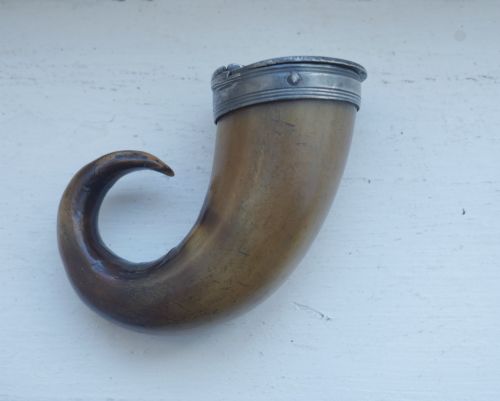
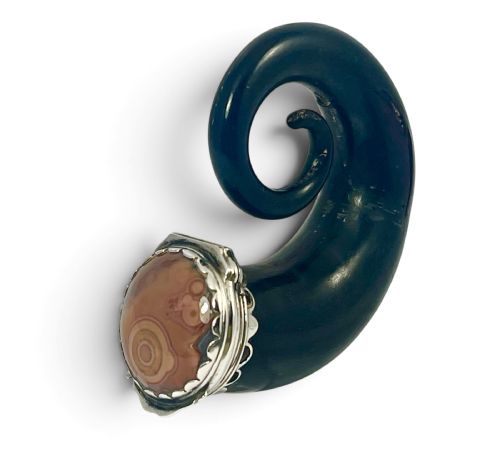
A snuff mull is a personal container designed to hold ground tobacco, shaped from natural horn and finished with a tight-fitting metal lid. These items were carried in pockets or kept on tables during the Georgian and Victorian periods.
Scottish examples often feature polished horn sections mounted in silver, sometimes inset with semi-precious stones like citrine on the lid.
How do I date these pieces?
Dating relies primarily on silver hallmarks stamped directly onto the metal mounts, which record the assay office, date letter and maker's mark. Stylistic clues such as the form of the mounts and the nature of the horn work also help narrow the decade.
Pieces from the Georgian era display different mounting techniques compared to later Victorian or Edwardian items.
How should I care for natural horn?
Natural horn requires stable indoor conditions away from direct sunlight and extreme humidity to prevent the material from drying out or warping. Gentle dusting with a dry cloth keeps the surface clean without damaging the organic structure.
Silver mounts can be polished carefully with a specialist cloth, taking care to avoid touching the surrounding horn.