



Antique Silver Dress Pin
An antique silver dress pin brings together intricate metalwork and personal adornment from past centuries.
Antique Silver Dress Pin
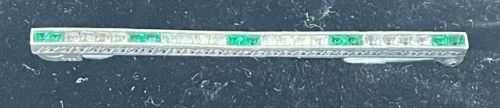
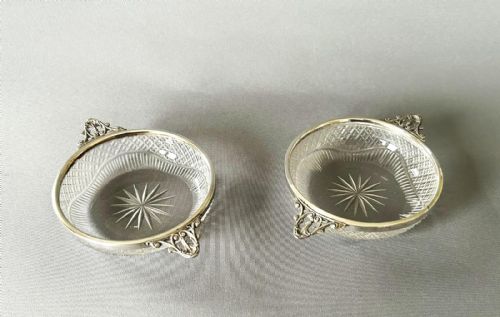
An antique silver dress pin encompasses a variety of brooches, kilt pins, and hatpins worked in silver alongside related items such as trays and boxes. These pieces range from Victorian Scottish revival dirks to geometric Art Deco bar brooches.
The selections available span periods from the Georgian era through the Victorian decades, Edwardian years, and into the 1920s, 1930s, and 1940s Retro styles. Buyers encounter both British sterling pieces and continental or Chinese export examples.
How they were made
Silversmiths utilised sterling silver, solid silver gilt, and platinum alongside 9ct and 18ct gold mounts to form the structural foundations of these brooches and pins. Techniques involved casting, repoussé relief work, and delicate silver filigree.
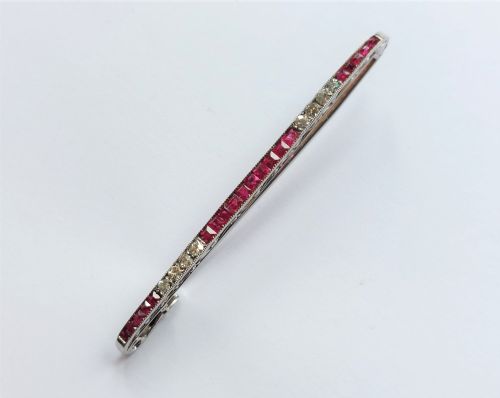
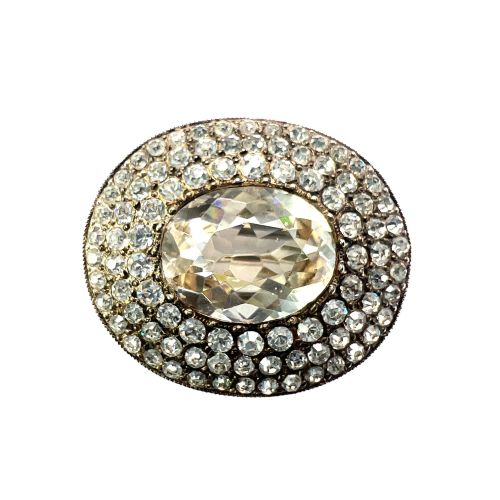
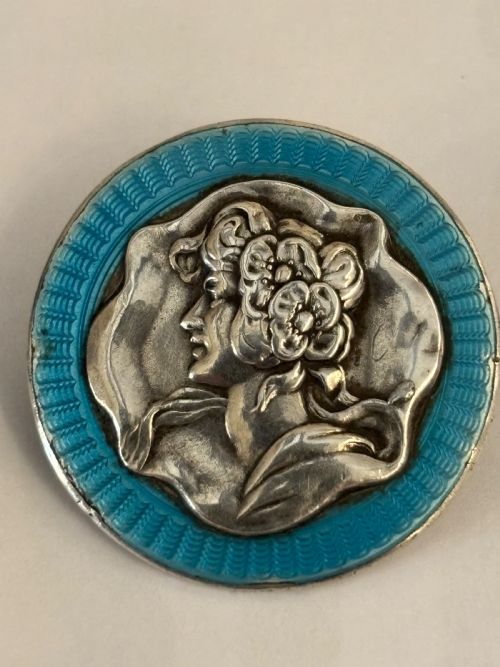
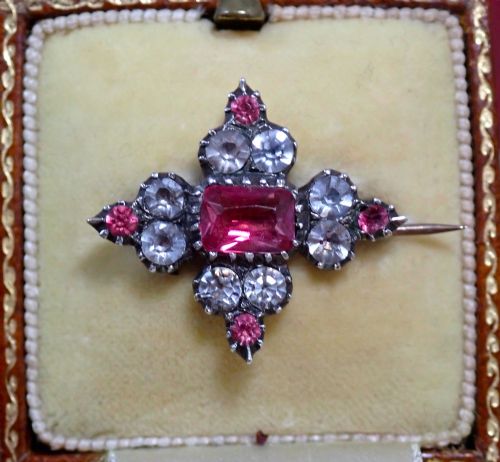
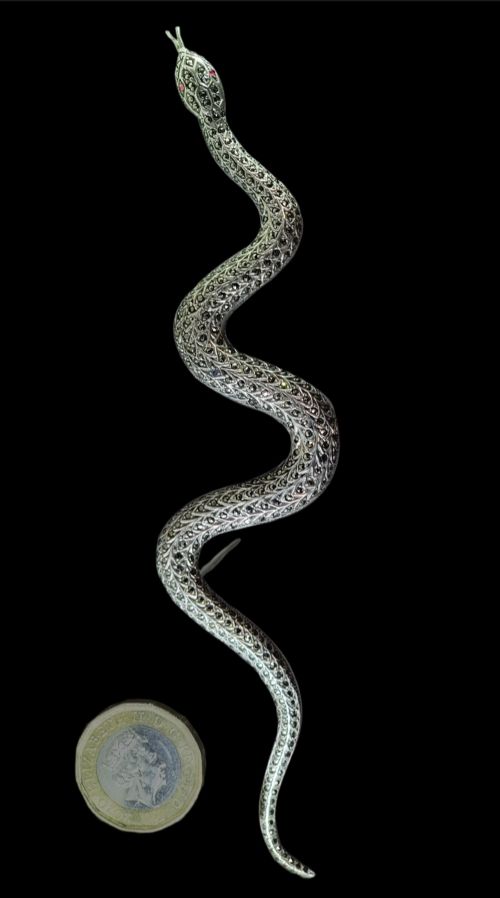
Gems and decorative elements were integrated through collet settings and flush mounting. Stones such as diamonds, rubies, sapphires, chalcedony, agate, and marcasite combine with paste glass, enamel work, and velvet inserts.
Listings feature items spanning the Georgian era, Victorian period, Edwardian years, Art Nouveau, Art Deco, and 1940s Retro styles.
What varies in quality
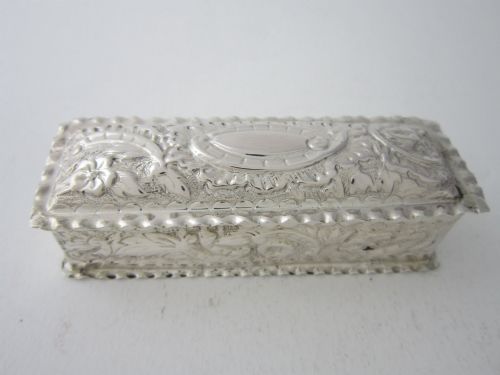
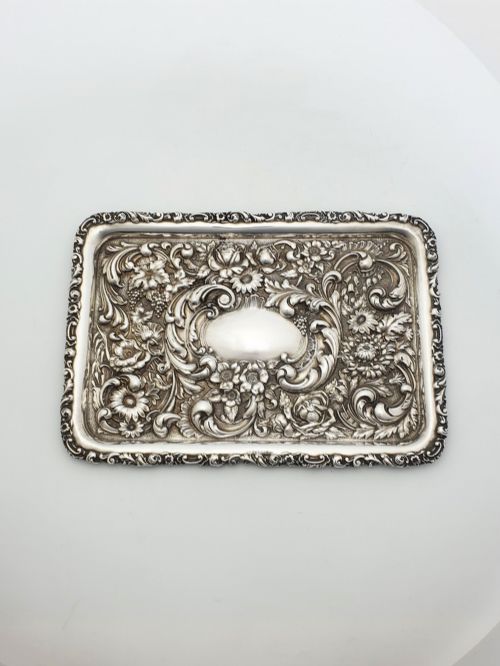
The refinement of hand-chased details, such as the repoussé floral motifs on trays or the feather engraving on Scottish kilt pins, separates standard production from finer examples. Superior execution shows crisp lines and deliberate depth in the metal.
The choice and cut of stones also define the tier of a piece, moving from simple paste glass to substantial old-cut diamonds and genuine rubies secured in platinum or gold-backed silver settings.
Crisford and Norris·William Hutton·William Comyns·H. Matthews
The Antique Silver Dress Pin Glossary
- Repoussé
- Metalworking technique where the silver is hammered into relief from the reverse side. This creates raised decorative patterns such as scrolls, flowers, or figural scenes.
- Marcasite
- Small faceted crystals of iron pyrite set closely into silver mounts to provide a metallic sparkle. It is frequently found in Art Deco jewellery.
- Guilloche enamel
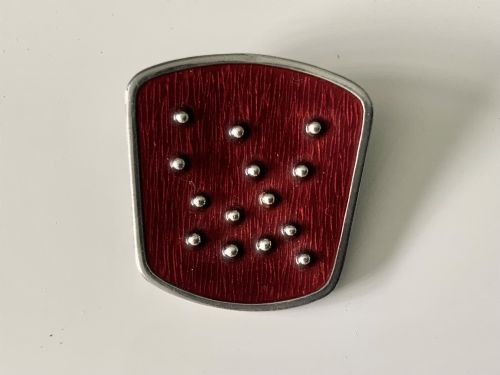
- Decorative technique where translucent enamel is layered over engine-turned metal engraving. It produces repeating geometric patterns beneath the coloured surface.
- Silver gilt
- Solid silver that has been coated with a thin layer of gold. This finish provides a warm two-tone appearance on brooches and vanity items.
Antique Silver Dress Pin: Frequently Asked Questions
What materials are used in these pins?
These pieces utilise sterling silver, solid silver gilt, and platinum, often combined with 9ct or 18ct yellow gold.
Additional materials include diamonds, rubies, sapphires, agate, chalcedony, marcasite, enamel, and paste glass.
How do I identify an Art Deco pin?
Art Deco pieces generally feature geometric lines, platinum settings, and symmetrical arrangements.
They frequently incorporate marcasite, rubies, or large old-cut diamonds typical of the 1920s and 1930s.
What is a Scottish dirk brooch?
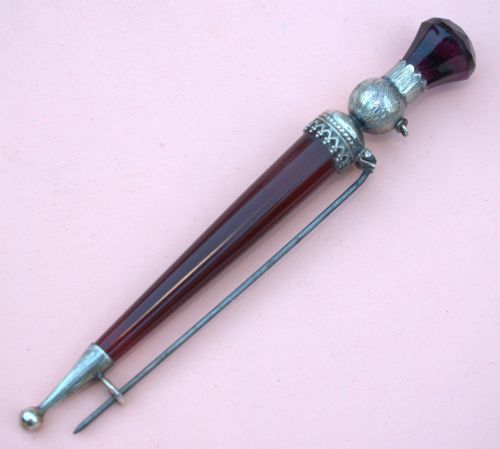
A Scottish dirk brooch is a traditional kilt pin styled after Highland weaponry, often featuring agate stones and engraved silver.
These pieces date back to the Victorian Scottish Revival period.
Are dressing table trays part of this category?
Trinket boxes, dressing table trays, and hatpin stands appear alongside wearable pins in the listings.
These vanity items share the same silver materials and period styles, such as Rococo repoussé.