



Antique Silver Double Salt
These antique silver double salts and related twin vessel forms are striking dining table centerpieces and personal accessories that collectors prize for their dual utility and intricate nineteenth-century craftsmanship.
Antique Silver Double Salt
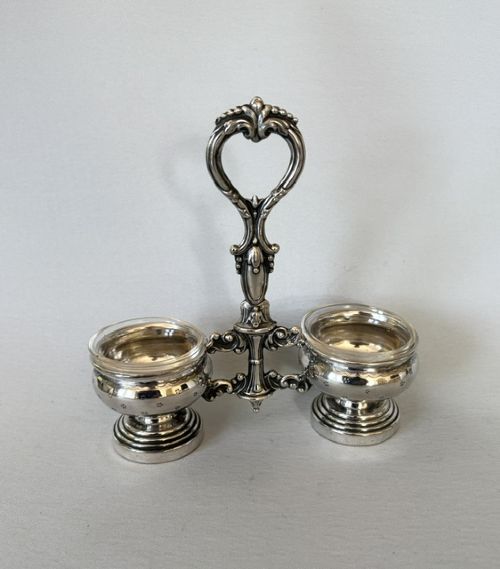
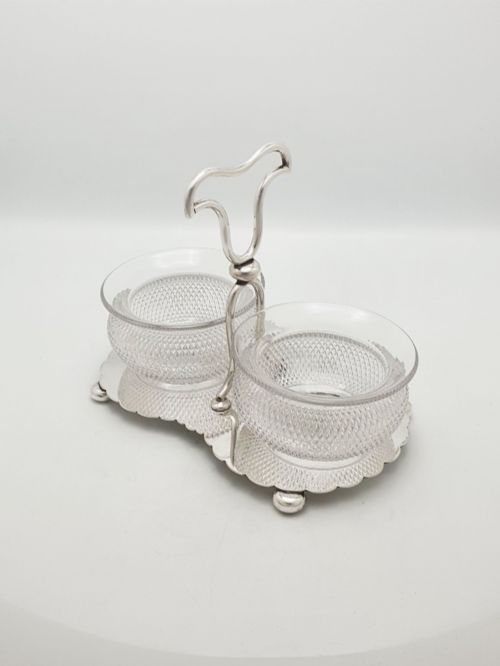
An antique silver double salt comprises two distinct compartments or bowls joined in a single composition, designed for holding two different seasonings or scents simultaneously upon the table or dressing surface. You will most frequently encounter these pieces taking the form of twin glass bowls held within silver plated condiment stands or paired dishes shaped as swans.
Origin and design varied widely, with examples ranging from French rococo condiment stands to Russian silver pieces and English Victorian table salts. Each variant reflects the formal dining habits and personal grooming traditions of the nineteenth century.
How they were made
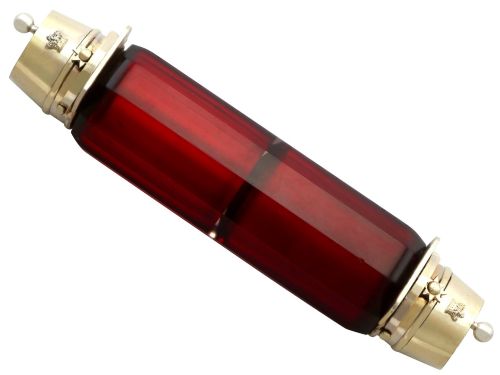
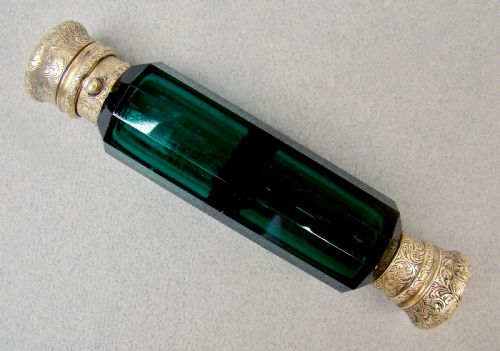
Makers shaped these items using solid sterling silver, silver plate, and cut or etched glass, often combining silver mounts with Bristol green glass, ruby glass, or clear cut glass inserts. Metal components were cast, chased, and engraved with detailed patterns, while glass bodies were blown and wheel-cut.
Silver gilt finishes appear on select interiors and mounts, adding a rich golden sheen over the silver base to protect against corrosive salts and perfumes. Construction required precise soldering and fitting to secure twin glass bowls or double-ended scent bottle caps firmly within their metal frames.
Antique Silver Double Salt Retail Price Guide 2026
Typical asking prices for silver double salt among the pieces listed under this phrase on Sellingantiques today, from the lower quarter to the upper quarter. They describe what is for sale here now, not the wider market.
Some double salts take the whimsical shape of twin-headed swans, gliding across the dining table with condiments balanced neatly on their backs.
What varies in quality
The distinction between standard items and finer pieces lies in the crispness of the chasing, the depth of the glass cutting, and the integrity of the original gilding. Heavy gauge silver and well-balanced frames indicate superior workshop standards.
Provenance and documented maker attributions elevate certain pieces, particularly those bearing the marks of established nineteenth-century silversmiths or notable Russian provenance. The clarity of the glass inserts and the exact matching of twin vessels also determine the overall desirability.
Sampson Mordan·Michael Alexandrovich Romanov
The Antique Silver Double Salt Glossary
- Double salt
- A vessel featuring two distinct compartments for holding salt and other condiments at the table. These were manufactured in silver and silver plate during the Victorian and Edwardian periods.
- Silver gilt
- Silver that has been coated with a thin layer of gold on its surface. This technique was frequently utilised on the interior of salt cellars to prevent corrosion from the contents.
- Bristol green glass
- A deep, vibrant green glass produced in Bristol during the eighteenth and nineteenth centuries. It appears frequently in scent bottles and condiment containers from the period.
- Condiment stand
- A frame or stand designed to hold multiple seasoning bottles, jars, or salt cellars together. They often feature a central carrying handle and twin glass bowls.
- Double-ended scent bottle
- A personal container featuring two separate compartments accessed from opposite ends. They were utilised for carrying distinct perfumes or smelling salts.
Antique Silver Double Salt: Frequently Asked Questions
What is an antique silver double salt?
An antique silver double salt is a twin-compartment table vessel designed to hold two different salts or condiments simultaneously.
These pieces date primarily from the Victorian and Edwardian eras, reflecting formal nineteenth-century dining customs.
How were double-ended scent bottles used?
Double-ended scent bottles held two separate perfumes or liquid refreshments in opposite compartments accessed via hinged caps.
Ladies carried these personal accessories during the nineteenth century for use in crowded or poorly ventilated spaces.
What materials make up these condiment stands?
These items combine solid sterling silver or silver plate with blown, cut, and etched glass inserts.
Common glass colours include Bristol green and ruby red, paired with chased or engraved metal frames.
How do I care for antique silver salt cellars?
Care requires gentle cleaning with a soft cloth and specialist silver polish, avoiding harsh abrasives that damage engraving.
Glass inserts should be washed separately in warm soapy water and dried thoroughly before replacement.