


Antique Silver Display Table
An antique silver display table brings surface and structure together, offering a dedicated stage for precious objects and curiosities.
Antique Silver Display Table
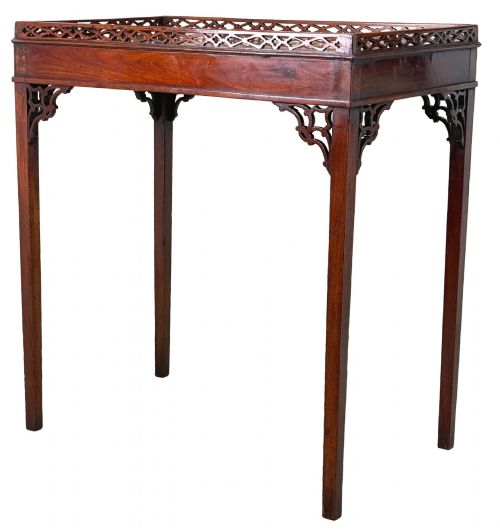
An antique silver display table acts as a specialised piece of furniture designed to showcase small treasures beneath glass or upon polished surfaces. These items draw their character from Georgian origins, alongside later Victorian and Edwardian revivals.
The versions most commonly encountered on this page combine mahogany or walnut timbers with dedicated display compartments, presentation formats, and tilt-top mechanisms. They function as occasional or side tables while keeping delicate items visible and protected.
Makers and craftsmen applied various regional styles, ranging from classic Chippendale influences to Grand Regency proportions. Each piece demonstrates how functional domestic furniture evolved to accommodate the presentation of smaller silver and glass articles.
Materials and construction methods
Makers constructed the primary frames of these tables using dense timbers such as mahogany and walnut, often incorporating inlaid details or tilt-top mechanisms. These wooden structures provide the necessary stability for supporting inset display trays and glass tops.
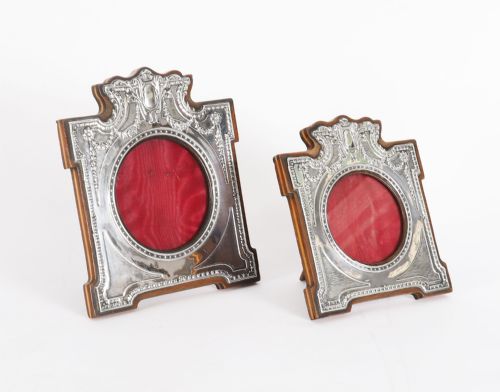
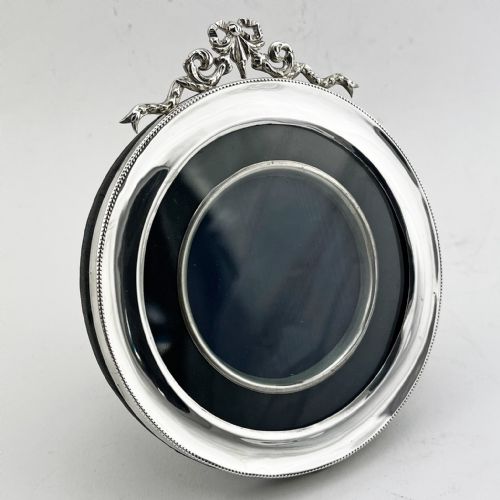
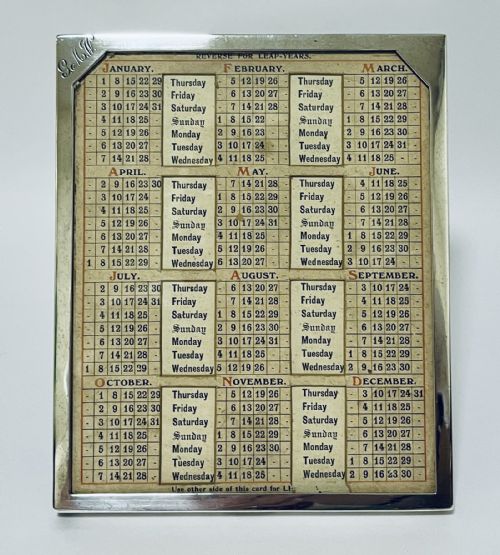
Sterling silver and silver plate appear across associated display items, photo frames, and centrepieces, while velvet backings provide a contrasting texture for presentation. Craftspeople also utilised cut glass and paper components within related desk accessories and tabletop items.
Materials documented across the pieces include sterling silver, silver plate, mahogany, walnut, glass, and velvet.
Distinctions in craftsmanship and form
Quality rests upon the crispness of the timber carving, the precision of the joinery in the display compartment, and the integrity of the opening mechanism. Superior examples display balanced proportions and refined secondary woods that support the primary presentation surface.
The weight of the materials and the subtlety of decorative details, whether planished surfaces or inlaid borders, separate standard utilitarian items from pieces intended for formal reception rooms.
Mappin Bros·Crisford & Norris·William Hutton & Sons·Le Roy et Fils·William Comyns·Elkington
The Antique Silver Display Table Glossary
- Tilt-top
- A tabletop mechanism that allows the surface to pivot into a vertical position when not in use. This design saved space in historic domestic interiors.
- Plateau
- A mirrored or silver-plated tray placed in the centre of a dining table to hold ornaments or serving vessels. These reflect candle or natural light upwards.
- Epergne
- A large decorative centrepiece featuring multiple branching arms for holding fruit, flowers, or sweetmeats. They are typically rendered in sterling silver or Old Sheffield plate.
- Planished
- A metalworking technique where a polished hammer is applied to create a faceted, textured surface. This finish diffuses light across silver objects.
Antique Silver Display Table: Frequently Asked Questions
What is an antique silver display table used for?
These tables were designed to exhibit small valuables, pocket watches, miniatures, and collection pieces under a protective surface while remaining visible in a drawing room.
The integration of glazed compartments allowed hosts to share delicate curiosities with guests without handling each individual item.
How do I identify a Georgian display table?
Georgian examples typically feature rich mahogany timbers, precise cabinetmaking, and classic period proportions associated with the 18th century. Later revivals often replicate these forms with subtle variations in hardware and secondary woods.
Examining the construction methods underneath and inside the display well helps clarify the period of manufacture.
Where should I place a display table in my home?
These tables suit reception rooms, hallways, or studies where they can function as occasional or side tables while displaying small collections. Position them away from direct sunlight to protect any velvet linings or sensitive interior items.
Their compact footprints allow them to sit comfortably against walls or serve as freestanding focal points.
What materials are common in these listings?
The listings combine solid hardwoods like mahogany and walnut with sterling silver, silver plate, and clear glass. Velvet linings and paper elements also appear in associated frames and desk accessories.
Different combinations reflect whether a piece is primarily a wooden display furniture item or a tabletop silver accessory.