


Antique Silver Dining Serving
These antique silver dining serving pieces bring period elegance to the table, offering functional service items shaped by centuries of dining tradition.
Antique Silver Dining Serving
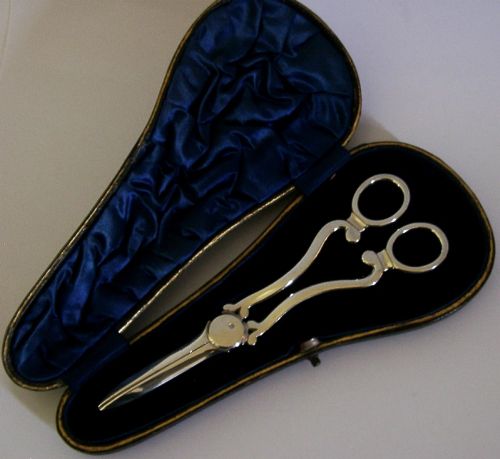
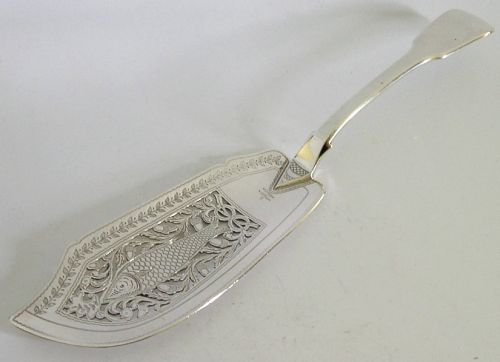
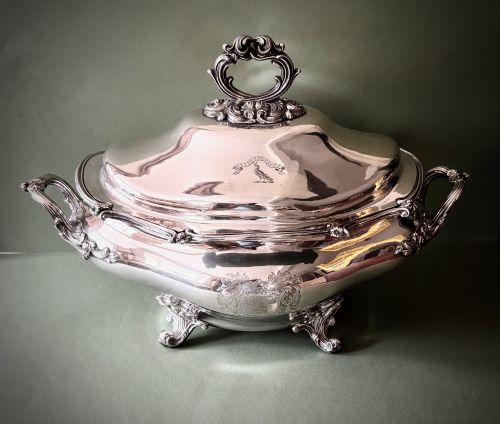
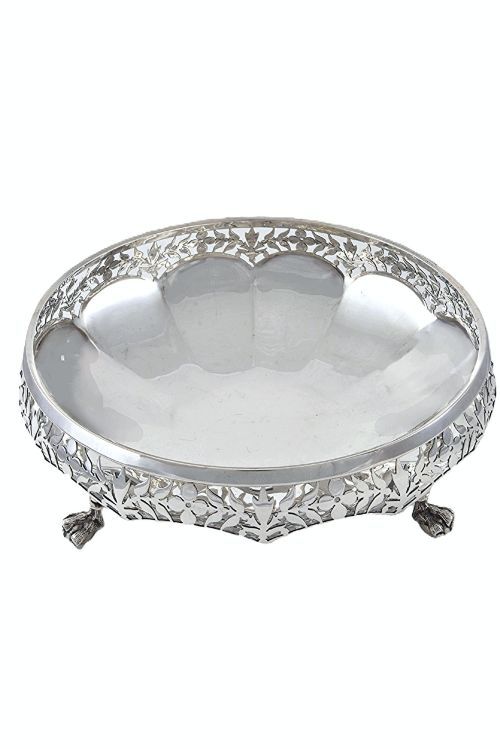
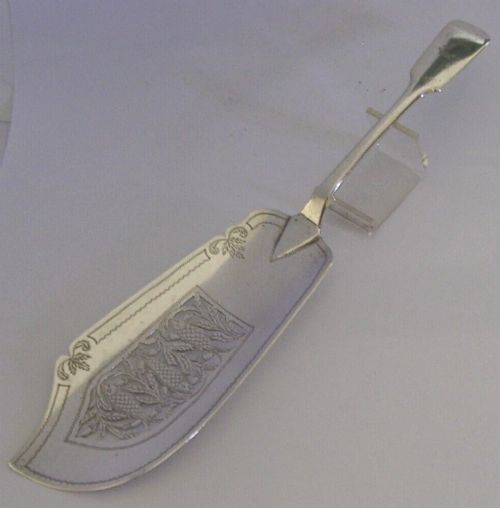
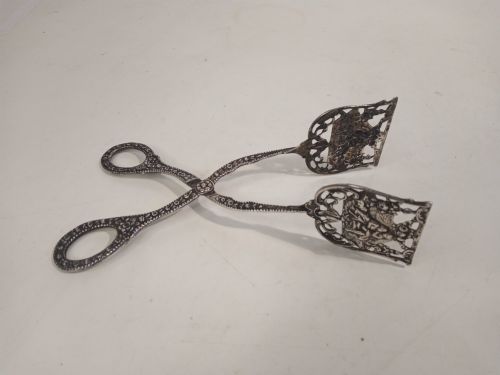
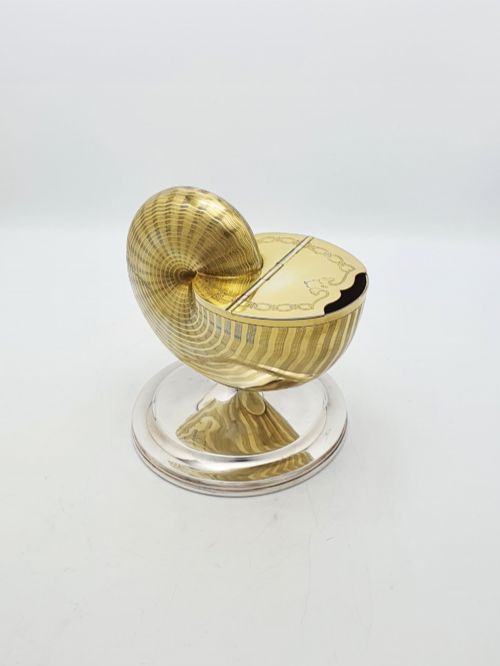
When you search for antique silver dining serving, you explore utensils and vessels designed for the formal table, spanning periods from the Georgian era through the Victorian and Edwardian decades into the Art Deco years. The selection encompasses large centrepiece bowls, tureens, entrée dishes, and specialised serving items such as fish servers, asparagus dishes, and grape scissors.
You are most likely to encounter silver-plated and sterling silver items originating from British, continental, and Irish workshops. The forms reflect changing culinary habits, moving from heavy Georgian and Victorian silver service towards lighter Edwardian plating and continental modernist designs.
Materials and construction
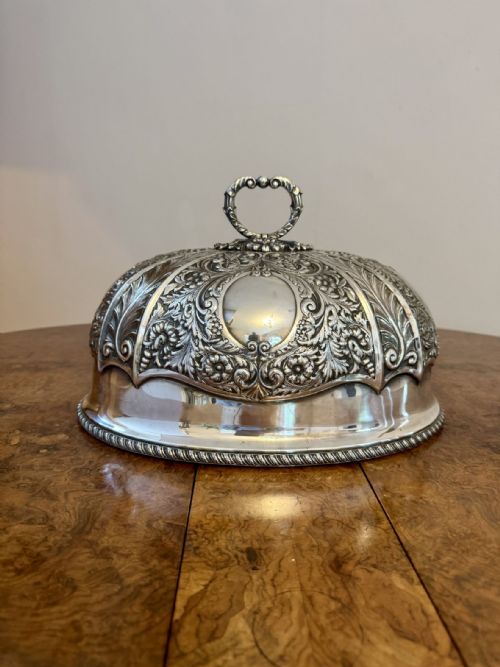
Makers utilised sterling silver and silver plate, alongside Old Sheffield Plate, applying techniques such as piercing, casting, and gilding to shape meat covers, cloches, and chafing dishes. Handles frequently incorporate organic materials like horn and antler, secured to metal blades or prongs.
Cut crystal and wood appear in combination with silver for salad services and vanity jars, demonstrating the varied material palette employed across the nineteenth and twentieth centuries.
Listings span the eighteenth, nineteenth, and twentieth centuries, featuring materials from horn and crystal to solid sterling silver.
Assessing quality and execution
Quality reveals itself in the crispness of cast ornamentation and the depth of piercing on items like oval serving dishes and grape shears. Heavy gauge metal and balanced weight indicate superior execution, particularly in larger pieces like chargers and soup ladles.
The integration of secondary materials, such as well-fitted horn handles or crisp cut crystal bowls, separates standard utility items from masterworks of the silversmith's art.
Jonathan Hayne·Martin Hall·Elkington·Walker and Hall·Mappin and Webb·Walter and John Barnard·Christofle Gallia
The Antique Silver Dining Serving Glossary
- Sterling silver
- A silver alloy containing 92.5 percent pure silver by mass, standard for high-grade British tableware.
- EPNS
- Electroplated nickel silver, a common base metal method utilised for nineteenth and twentieth-century serving dishes.
- Old Sheffield Plate
- A technique fusing a thin sheet of sterling silver to a copper base, prevalent in earlier serving pieces.
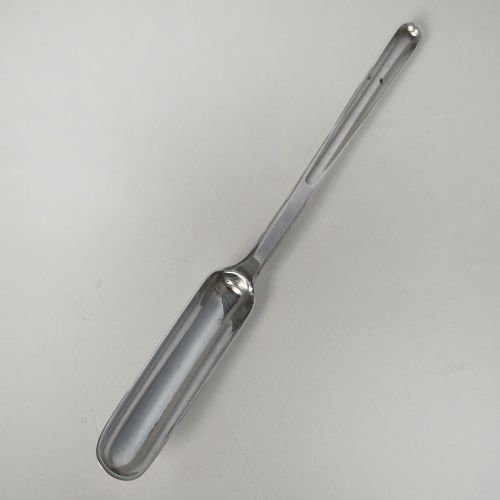
- Marrow scoop
- A narrow dual-ended silver utensil designed for extracting bone marrow during formal meals.
- Cloche
- A large dome-shaped cover utilised to keep roasted meats and entrées warm at the dining table.
Antique Silver Dining Serving: Frequently Asked Questions
How do I clean antique silver serving dishes?
Use a specialised silver polish and a soft cloth to remove tarnish gently, avoiding abrasive pads that can damage plated surfaces or engravings.
Wash pieces in warm soapy water and dry them thoroughly immediately after cleaning to preserve the finish.
Are silver fish servers suitable for daily use?
These servers function well for special meals, though delicate items with horn handles require careful hand washing rather than dishwasher cycles.
Store them in fitted cases or anti-tarnish cloth wraps to protect the engraved blades from accidental scratches.
What is the difference between sterling and plate?
Sterling silver consists of solid precious metal marked with hallmarks, while silver plate applies a thin layer of silver over a base metal like nickel or copper.
Both materials appear frequently across serving utensils from the Victorian and Edwardian periods.
How do I date an antique silver dish?
Look for hallmarks stamped into the metal, which include maker marks, standard marks, and date letters corresponding to specific assay office records.
Stylistic cues such as Art Deco geometric lines or Victorian floral chasing also help narrow down the decade of production.