


Vintage Silver Serving Tongs
These vintage silver serving tongs bring functional elegance to the table, offering the right grasp for pastries, asparagus and sugar lumps.
Vintage Silver Serving Tongs
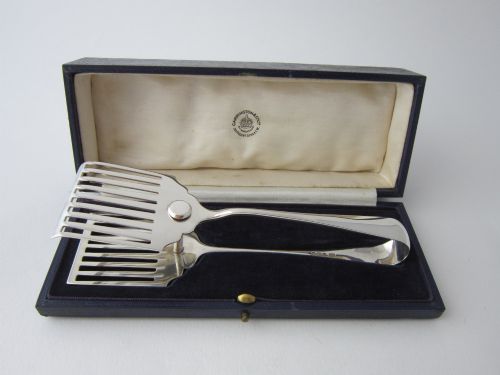
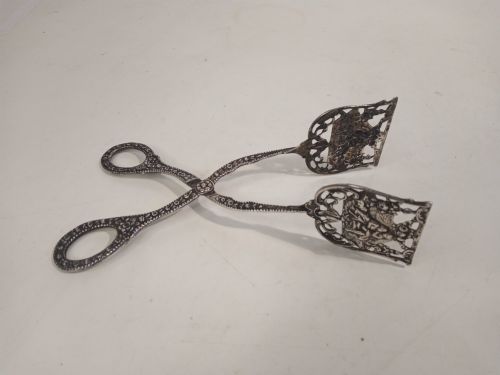
Vintage silver serving tongs encompass a range of specialised utensils designed to transfer food cleanly at the table. When you search for vintage silver serving tongs, you find everything from delicate sugar nips to robust asparagus tongs and pastry servers.
The selections span several distinct eras, appearing in Georgian, Victorian, and Edwardian designs alongside later Art Deco iterations. Form follows function closely here, with specialised claws, pierced blades, and spring arms tailored to specific dishes.
How they were made
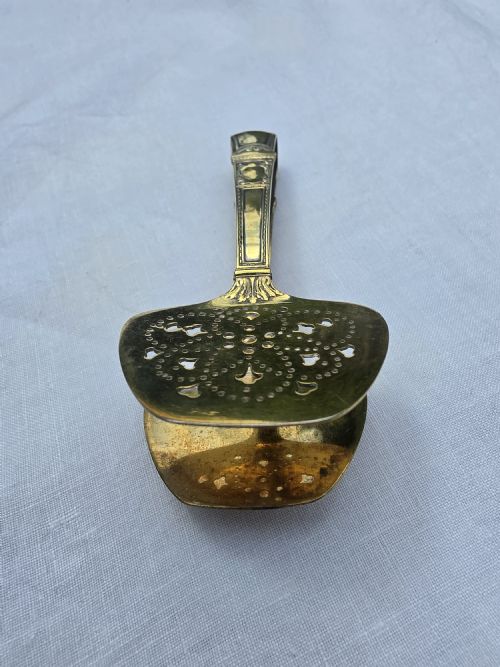
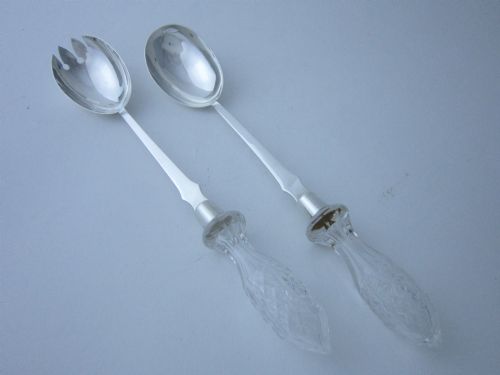
Makers utilised sterling silver, silver plate, and electroplated nickel silver to construct these utensils, often pairing metal with cut glass components for salad servers. Techniques included piercing, casting, and gilding, creating rich surface textures such as the silver gilt finish seen on specific pastry servers.
Spring mechanisms and pivot joints required precise metalworking to ensure lasting tension in the arms. Artisans shaped the metal into classical revival motifs or clean geometric lines depending on the prevailing style of the period.
Some Victorian asparagus tongs require a steady hand and a genuine fondness for formal nineteenth-century vegetable etiquette.
What varies in quality
Quality rests upon the weight of the metal and the crispness of the workmanship in the piercing and engraving. A substantial gauge of silver provides a reassuring balance in the hand and prevents flexing during use.
Artistry in the design execution separates standard production items from finer workshop pieces. Marked maker attribution and well-preserved surface gilding or plating elevate the standing of an individual pair.
Tiffany and Company·Georg Jensen·Walker and Hall·Mappin and Webb
The Vintage Silver Serving Tongs Glossary
- Sterling silver
- An alloy containing 92.5 percent silver by mass, highly prized for durable tableware. This standard ensures the piece holds its form through decades of use.
- Silver gilt
- Silver that has been coated with a thin layer of gold on its surface. This technique adds a warm, two-tone visual depth to the metal.
- Electroplated nickel silver
- A base metal alloy of copper, nickel, and zinc coated with a layer of pure silver through electrolysis. It offers the appearance of solid silver at a different production tier.
- Sugar nips
- Small hinged tongs specifically designed for grasping sugar lumps for tea service. They often feature delicate claw or shell terminals.
- Rat tail
- A traditional strengthening spine running down the back of a utensil bowl or terminal. It references an older silversmithing practice carried into later periods.
Vintage Silver Serving Tongs: Frequently Asked Questions
What were vintage silver serving tongs used for?
These utensils served specific dining customs, from lifting delicate pastries and asparagus spears to transferring sugar lumps into teacups. Each form matched a particular course at the formal dining table.
Their specialised shapes ensured food was handled with proper etiquette and hygiene during communal meals.
How do I care for silver serving tongs?
Regular use helps prevent tarnish accumulation, while gentle washing in warm soapy water keeps the metal clean. Avoid harsh abrasive cloths that might wear away thin silver plating.
Store them in dry conditions away from direct sunlight to preserve the finish of both the silver and any glass or gilt components.
How can I tell the period of the tongs?
Stylistic clues such as Edwardian floral motifs, Victorian ornamentation, or Art Deco geometric lines point directly to the era of manufacture. Maker marks and metal stamps also provide precise dating evidence.
Comparing the manufacturing technique against known historical periods helps confirm the age of the piece.
Are plated tongs less desirable than sterling ones?
Silver plated and electroplated nickel silver items served households just as practically as solid sterling silver pieces did. They often display the same high standard of design and manufacture.
Choice between them depends on personal preference for solid precious metal versus plated wares from established makers.