
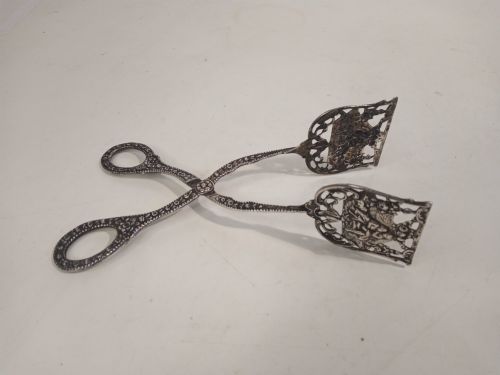


Silver Cake Server
A silver cake server brings ceremony to the tea table, ranging from intricate pierced Georgian slices to clean Mid-Century Modern designs.
Silver Cake Server
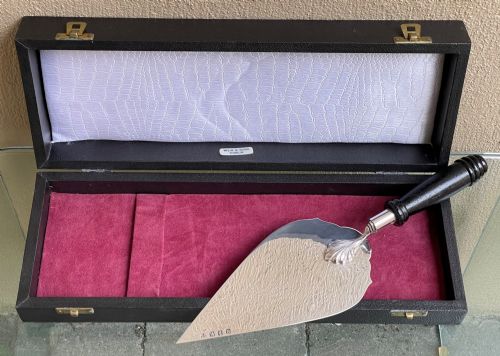
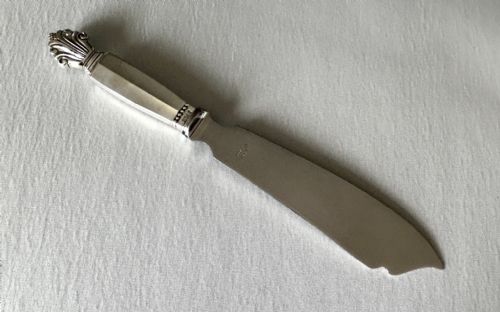
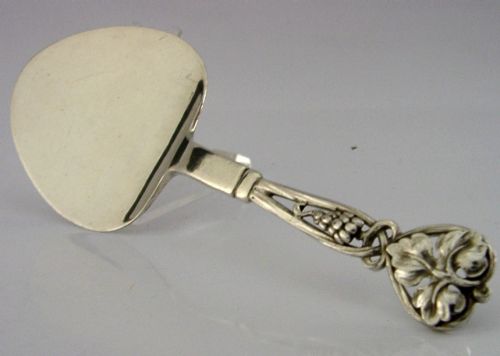
A silver cake server encompasses specialised serving cutlery designed for pastry, cake, pie, and confectionary. When exploring a silver cake server, buyers encounter diverse forms including serving slices, presentation trowels, pastry servers, tongs, and cake knives.
The pieces span multiple eras, appearing frequently in Victorian, Edwardian, and Art Deco styles, alongside mid-century interpretations. Origins range across English, German, French, Dutch, and Scandinavian workshops.
Examples occur both as individual implements and within cased sets paired with pastry forks. Construction incorporates solid sterling silver, silver gilt, and silver plate.
How they were made
Makers utilised solid sterling silver, silver plate, and silver gilt for the blades and handles, often combining precious metals with organic materials such as mother-of-pearl, ebony, and fabric.
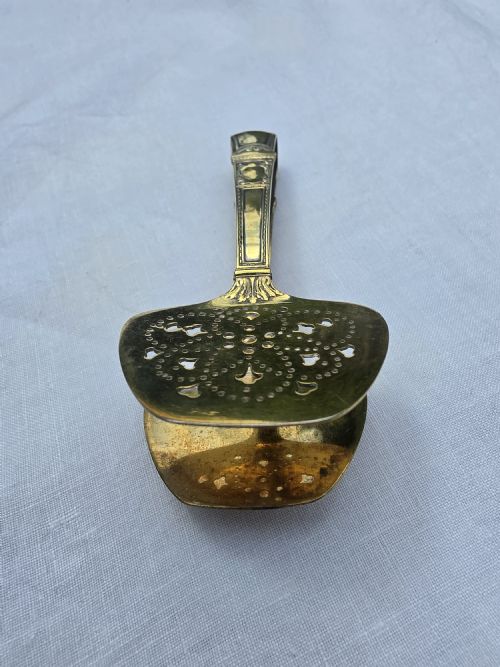
Techniques relied upon manual silversmithing, casting, and piercing to create ornate decorative blades, alongside structural joins linking metal components to specialised handles.
Listings feature serving utensils, tongs, pastry servers, presentation trowels, and cake knives executed in sterling silver, silver plate, and silver gilt.
What varies in quality
Distinction in quality rests upon the weight of the metal and the precision of the piercing work on the blade. Substantial solid silver construction and maker attribution elevate certain items above standard plated equivalents.
The refinement of the handle material, whether carved mother-of-pearl, turned ebony, or integrated metalwork, determines the overall tactile balance and craftsmanship level.
Georg Jensen·Liberty & Co·Tiffany & Company·Martin Hall & Co·Thomas Daniell·Aspreys
The Silver Cake Server Glossary
- Sterling silver
- An alloy consisting of 925 parts silver per thousand, providing the primary durable standard for quality British and international table silver.
- Silver gilt
- Silver that has been coated with a thin layer of gold on its surface, creating a rich two-tone decorative effect.
- Presentation trowel
- A ceremonial serving implement featuring a triangular blade, frequently utilised for cutting cakes or marking formal occasions.
- Piercing
- The technique of cutting decorative openwork patterns through the metal blade of a server.
Silver Cake Server: Frequently Asked Questions
How do I clean a silver cake server?
Wash the server by hand in warm soapy water and dry immediately with a soft cloth to protect the metal. Avoid abrasive cleaners that can damage engraved details or delicate handle materials.
Store the piece in a dry environment or a lined box to minimise tarnishing between uses.
Were these servers only used for cake?
While primarily shaped for pastry and cake, many variations served multiple purposes on the dining table. Servers with broad blades handled pies, fish, or sandwiches depending on the dining customs of the period.
Specialised tongs and slices adapted to whichever confectionary or side dish required elegant transfer.
How can I tell a Victorian server from an Art Deco one?
Victorian examples display heavy ornamentation, floral motifs, or elaborate piercing reflecting historical revival styles. These pieces often feature organic handle materials like mother-of-pearl or ebony.
Art Deco servers embrace geometric lines, streamlined forms, and modernist aesthetics typical of the interwar period.
Are cased sets common?
Cased sets containing a server alongside matching pastry forks appear frequently, particularly from the Edwardian and Art Deco eras. These presentation boxes indicate pieces intended for formal gifting or high-status tea service.
Individual servers remain equally common for daily use or mixed table settings.