



Antique Silver Dining Platter
These antique silver dining platter options bring formal service to the table, combining heavy metalwork with generous proportions for grand hosting.
Antique Silver Dining Platter
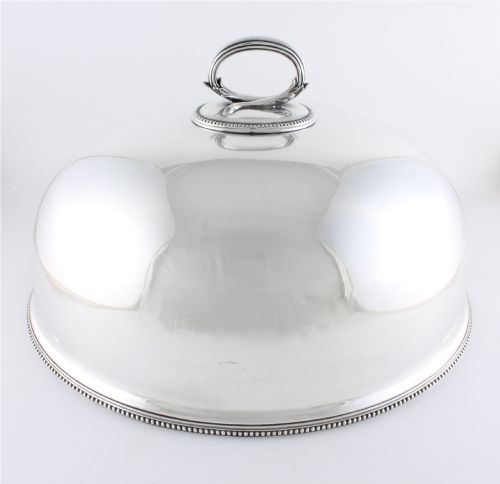
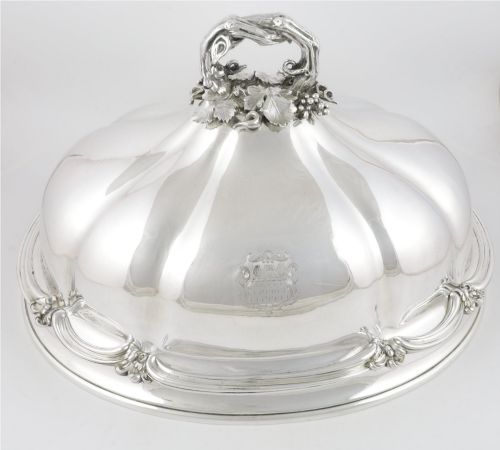
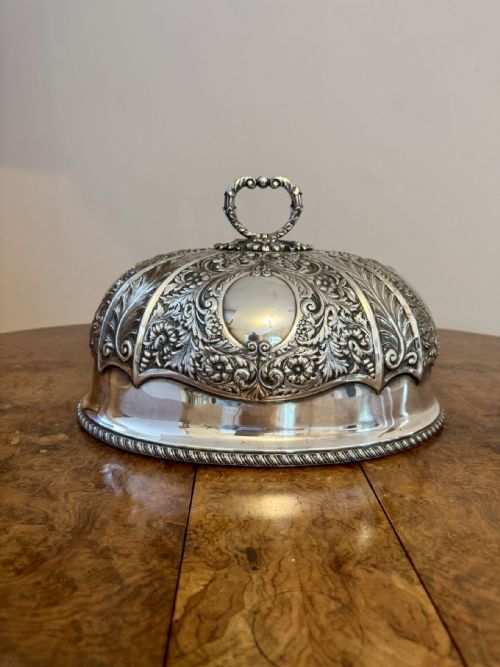
An antique silver dining platter encompasses heavy chargers, deep serving dishes, and substantial meat domes designed for formal table service. You are most likely to encounter silver plated and Old Sheffield Plate serving pieces alongside pewter chargers dating from the seventeenth century to the Edwardian era.
The selection ranges from plain rim pewter plates to elaborate Regency and Victorian meat covers featuring distinct maker marks. These forms reflect the changing styles of grand dining across Georgian, Victorian, and Edwardian periods.
Makers such as Roberts Cadman, Mappin and Webb, Durand, and Thomas Templeman shaped these pieces during distinct design movements including English Restoration and Grand Regency.
How they were made
Makers utilised silver plate, Old Sheffield Plate, EPNS, copper, and base metal to form these large serving vessels and chargers. Pewter also appears in early examples like the seventeenth-century plain rim charger.
Techniques varied from fusing silver to copper sheets in Old Sheffield Plate to electroplating base metals in later Victorian and Edwardian workshops. Artisans shaped meat domes and serving dishes through careful hammering and soldering.
Antique Silver Dining Platter Retail Price Guide 2026
Typical asking prices for silver dining platter among the pieces listed under this phrase on Sellingantiques today, from the lower quarter to the upper quarter. They describe what is for sale here now, not the wider market.
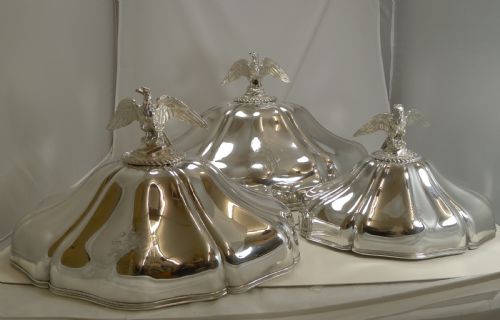
Some nineteenth-century meat domes feature surprisingly fierce cast eagle handles keeping watch over the Sunday roast.
What varies in quality
Quality rests on the thickness of the metal, the crispness of chased or engraved details, and the integrity of the underlying base metal. Superior pieces maintain their heavy gauge and balanced proportions through centuries of use.
Makers marks and well-documented foundry origins elevate certain meat covers and serving dishes above standard commercial production. The precision of the plating and the weight of the silver or pewter determine the overall standing of the object.
Roberts Cadman·Thomas Templeman·Mappin and Webb·Durand
The Antique Silver Dining Platter Glossary
- Old Sheffield Plate
- A technique where a thin sheet of silver is fused to a thicker copper core by heat and pressure. This method produces a rich depth of metal that distinguishes early Georgian and Regency pieces.
- EPNS
- Electro Plated Nickel Silver, a manufacturing process introduced in the nineteenth century that replaced older fusion methods. It allowed makers to produce bright, uniform surfaces on serving dishes and flatware.
- Meat Dome
- A large, domed cover designed to keep roasted joints warm on the dining table. These pieces often feature handles and chased crests or eagles.
- Charger Plate
- A large decorative base plate placed underneath other dinnerware during formal meals. Early examples are frequently hammered from heavy pewter or thick silver plate.
- Pewter
- A malleable alloy primarily composed of tin, used historically for practical tableware and chargers. It develops a dull, dark patina over centuries of handling.
Antique Silver Dining Platter: Frequently Asked Questions
How do I clean an old silver platter?
Clean these surfaces gently using a mild, non-abrasive silver cream and a soft cloth to preserve the underlying plating and patina.
Avoid aggressive scrubbing, particularly on Old Sheffield Plate where excessive polishing can expose the copper beneath the silver layer.
Can I use these chargers for daily dining?
While robustly constructed from copper, base metal, or thick silver plate, these pieces function best as display items or for occasional formal service.
Their historical nature and soft metal composition mean they benefit from careful handling rather than heavy everyday use.
What is the difference between silver plate and Old Sheffield Plate?
Old Sheffield Plate involves physically fusing a layer of silver to copper through heat, resulting in a distinct edge where the base metal shows.
Electroplated pieces use an electrical current to bond a thin coat of silver onto a nickel or base metal foundation.
How do I date a heavy meat dome?
Dating relies on stylistic cues from periods like the Georgian, Regency, or Edwardian eras, alongside any stamped maker marks or foundry crests.
The weight, construction technique, and handle design also provide clear indicators of the decade of manufacture.